


More news on this day
Kent Police have opened an investigation into a fatal train collision that claimed the life of a 20-year-old pedestrian on Saturday, in a case that has renewed attention on rail safety and the risks faced by people near busy lines.
Get the latest news straight to your inbox!
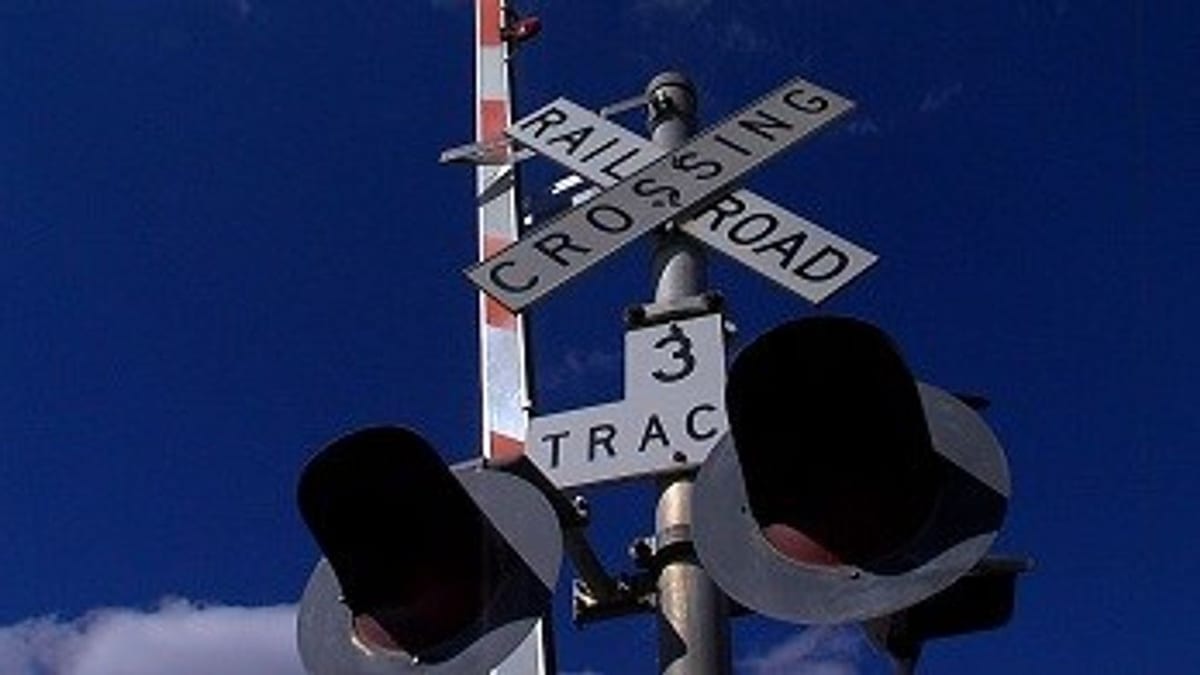
Investigation under way after weekend rail fatality
Initial reports indicate the collision occurred on Saturday when a train struck the young pedestrian on a stretch of track in Kent, leading to significant disruption to rail services in the area. Publicly available information shows that emergency services were called following accounts of a person on or near the line shortly before the impact.
According to published coverage, the victim, believed to be 20 years old, died at the scene despite efforts from responders. The incident is being treated as a fatal collision involving a pedestrian and a train, a classification that typically triggers a specialist inquiry into the circumstances on and around the tracks.
Kent Police are reported to be leading the investigation, working alongside rail operators and safety specialists. Early stages of such inquiries usually focus on confirming the sequence of events, gathering site evidence and recovering any available CCTV or on-train data to establish how and why the collision took place.
Rail services in the vicinity were suspended or severely delayed for several hours on Saturday while investigators examined the scene and recovery work was completed. Disruption extended into surrounding routes as trains were diverted or cancelled, affecting passengers traveling across Kent and into London.
Focus on witness information and scene analysis
Reports indicate that detectives are appealing for anyone who was in the area at the time to come forward with information, including passengers on affected trains and members of the public who may have seen a person close to the tracks shortly before the collision. Witness accounts, photographs and video clips are often critical in piecing together the movements of those involved.
Specialist collision investigators are expected to carry out detailed measurements of the scene, including train speed, sight lines and conditions on the approach to the point of impact. Publicly available guidance on rail investigations shows that examiners routinely look at track access points, fencing, warning signage and any nearby paths or crossings that could have brought a pedestrian into close proximity with moving trains.
Investigations of this kind typically consider whether there were any technical issues affecting the train, signalling equipment or level crossings, although early indications in similar recent cases around the United Kingdom have rarely identified mechanical failure as a primary factor. Instead, inquiries often concentrate on how and why an individual came to be on the railway at the time.
Published information also suggests that investigators will liaise with the rail infrastructure manager and train operator to review safety arrangements in the immediate area, including the way information is provided to local communities about the dangers of trespassing on railway property.
Rail safety concerns highlighted by recent incidents
The fatal collision in Kent comes against the backdrop of a series of serious rail and pedestrian incidents reported around the country in recent months. Coverage of these events has highlighted the particular vulnerability of people on or near the tracks, especially in locations that are not designed for public access.
National statistics regularly cited by transport agencies show that while the United Kingdom’s rail network is among the safest in Europe for passengers, fatalities still occur each year involving pedestrians at stations, foot crossings and along open sections of track. Young adults and people in their twenties are consistently represented in those figures, underlining the risks faced by this age group.
Rail safety campaigns repeatedly stress that modern trains can be far quieter and faster than many people expect, with limited stopping distances that make it impossible for drivers to avoid a collision once a person is spotted ahead on the line. In many incidents, investigators have found that pedestrians underestimated the speed of approaching services or did not appreciate how quickly a train can close the distance.
Advocacy groups point to these recurring patterns as evidence of the need for ongoing public education, particularly in communities where tracks run close to residential streets, informal paths or recreational areas. They argue that large, visible warnings near popular cut-throughs and footpaths can be as important as physical barriers in discouraging risky shortcuts across the line.
Support for those affected and impact on rail operations
Publicly available information from rail operators in similar cases shows that welfare support is usually offered to the train driver, onboard crew and any witnesses who may have observed the impact or its aftermath. Drivers involved in fatal collisions often require time away from operational duties, and are typically given access to specialist counselling and occupational health services.
Passengers onboard the train at the time of Saturday’s collision may also experience delayed shock or distress, particularly if they were aware of emergency activity outside the carriages or prolonged stoppages on the line. Rail operators commonly advise anyone affected emotionally by such incidents to seek support from health professionals or helplines.
Operationally, a fatal incident of this type can trigger a cascade of delays across a wider region as services are held, diverted or turned back to keep lines clear for investigation teams. Even after the scene has been released, trains and crews can be out of position for several hours, which can lead to further cancellations and crowding on alternative routes.
Industry bodies have repeatedly highlighted that while these disruptions are frustrating for travelers, the pause in services is an essential part of ensuring a thorough and accurate investigation. Understanding the circumstances of each incident is seen as vital to informing future safety measures and, where possible, preventing similar tragedies.
Renewed calls for vigilance around railway lines
Following the death of the 20-year-old pedestrian, rail safety advocates are using the case as another reminder of the dangers posed by trespassing or walking close to the tracks. Public awareness campaigns consistently emphasize that rail property is a restricted environment, even where lines pass close to homes, parks or informal footpaths.
Guidance shared by transport authorities notes that anyone who witnesses a person on the tracks or behaving erratically near a railway line should seek assistance by contacting emergency services or rail helplines, providing precise location details if possible. Early alerts can, in some circumstances, allow trains to be slowed or stopped before reaching the area of concern.
In Kent, community conversations are expected to focus on whether additional measures could reduce the likelihood of people gaining access to the tracks at vulnerable locations, including improved fencing, clearer signage and cooperation with local councils on safe walking routes. These discussions often form part of the broader review that follows a serious rail incident.
While the full circumstances of Saturday’s collision remain under investigation, the death of a young pedestrian on the railway has again underscored the need for vigilance, respect for warning signs and a cautious approach to any area where fast-moving trains operate in close proximity to daily life.