


More news on this day
London pedestrians were seen sprinting from a railway bridge after a sudden fire beneath the tracks erupted into an explosion and thick black smoke, briefly transforming an ordinary weekday afternoon into a scene of alarm and disruption in the south of the city.
Get the latest news straight to your inbox!
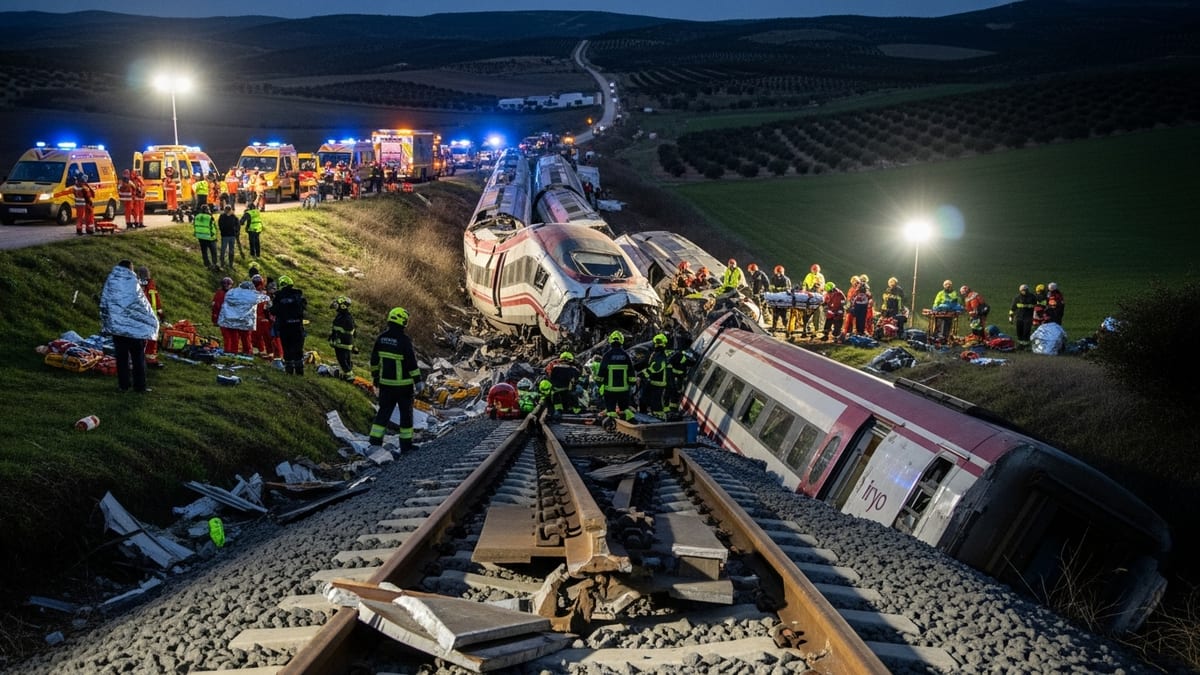
Bridge panic as fire erupts beneath railway arches
Video and images shared on social media show people running from a bridge in south London as flames roar beneath a section of railway, with a fireball bursting from under the arches and climbing toward the trackbed. The incident unfolded near a busy commuter route, sending passersby scrambling away from the structure as smoke rapidly filled the air.
Footage indicates that the blaze began in premises located directly under or alongside the railway, an arrangement common across parts of London where commercial units occupy Victorian arches. As the fire intensified, an apparent secondary explosion sent debris and a fresh plume of smoke upwards, prompting those still on the bridge to scatter.
Reports from the scene describe a strong smell of burning and loud bangs as the fire spread through materials stored in and around the unit. Witnesses captured walls of orange flame licking the underside of the bridge, raising concerns about potential damage to the structure and overhead rail infrastructure.
Although the full extent of any injuries was not immediately clear, early publicly available information suggested that most people in the immediate vicinity were able to move away from the area quickly. Emergency services activity around the bridge continued into the evening as crews worked to make the site safe.
Rail services halted as safety checks begin
The railway line carried on the bridge forms part of a key south London corridor used by commuter and regional services. In the immediate aftermath of the fire and explosion, trains were brought to a standstill while rail staff assessed the risk from heat, smoke and potential structural damage.
Operators in the capital have previously suspended services for extended periods after fires beneath or beside railway arches, particularly where gas cylinders, fuel or other volatile materials are involved. In similar past incidents, engineers have conducted detailed inspections of steelwork, track and signalling equipment before allowing services to resume.
Early travel updates pointed to cancellations and severe delays across routes passing the affected section of track. Passengers reported packed platforms at alternative stations and diversion of some services via other lines to keep parts of the network moving.
Transport agencies generally prioritise structural safety checks over rapid reopening when bridges are exposed to intense heat. Even when visible damage appears limited, prolonged fire can weaken metal components and affect the integrity of the ballast and sleepers supporting the track.
Locals recount sudden chaos on the bridge
People on or near the bridge described a sudden shift from routine to chaos as the fire escalated. Some pedestrians initially paused to film the rising smoke before the apparent explosion triggered a rush to get away from the parapets and stairways leading down from the bridge.
Social media posts showed cyclists abandoning bikes, commuters retreating back along the pavement and drivers reversing away from the bridge approaches as the flames intensified. Others were seen covering their faces with scarves and jackets to protect against thick smoke blowing across the roadway.
Nearby residents noted that railway arches in the area have long housed workshops, storage units and small businesses, raising questions about what exactly was burning beneath the bridge and whether materials stored there may have contributed to the force of the blast. Some posts referenced earlier concerns about fire safety in densely built districts where commercial uses sit directly under live rail lines.
By early evening, images indicated that the most intense flames had been knocked down, but smoke was still drifting across residential streets and rail sidings. Those living close to the scene reported staying indoors with windows closed until the air appeared to clear.
Spotlight on risks around railway arches
The incident has renewed attention on the longstanding practice of renting out railway arches across London for commercial and industrial use. While the arches play a central role in the city’s economy, recent fires under viaducts have highlighted the potential risks when flammable goods, gas cylinders or waste are stored directly beneath active tracks.
Publicly available safety assessments have previously flagged the possibility of fires and explosions near rail infrastructure, especially where buildings sit tight against bridges or embankments. Experts have noted that even relatively small blazes can lead to significant disruption if they affect signalling cables, power lines or key structural elements of bridges.
Advocacy groups and local representatives have in recent years called for clearer guidance on what materials can be stored in arches, tighter inspection regimes and better communication between landlords, tenants and rail operators. The latest fire is likely to add pressure for closer scrutiny of safety standards in these often-invisible spaces below the tracks.
For many Londoners, the dramatic scenes of people sprinting from the bridge as the fire erupted underscored how quickly an everyday urban landscape can turn hazardous when infrastructure, commerce and dense neighbourhoods collide. The full investigation into how the blaze started, and whether any changes will follow for railway arch use and bridge protection, is expected to shape conversations about safety along some of the capital’s busiest rail corridors.