


More news on this day
Thousands of travelers at Nairobi’s Jomo Kenyatta International Airport faced long queues, missed connections and overnight delays on Monday as a go-slow strike by aviation workers entered its second day and efforts to resolve the dispute appeared to stall.
Get the latest news straight to your inbox!
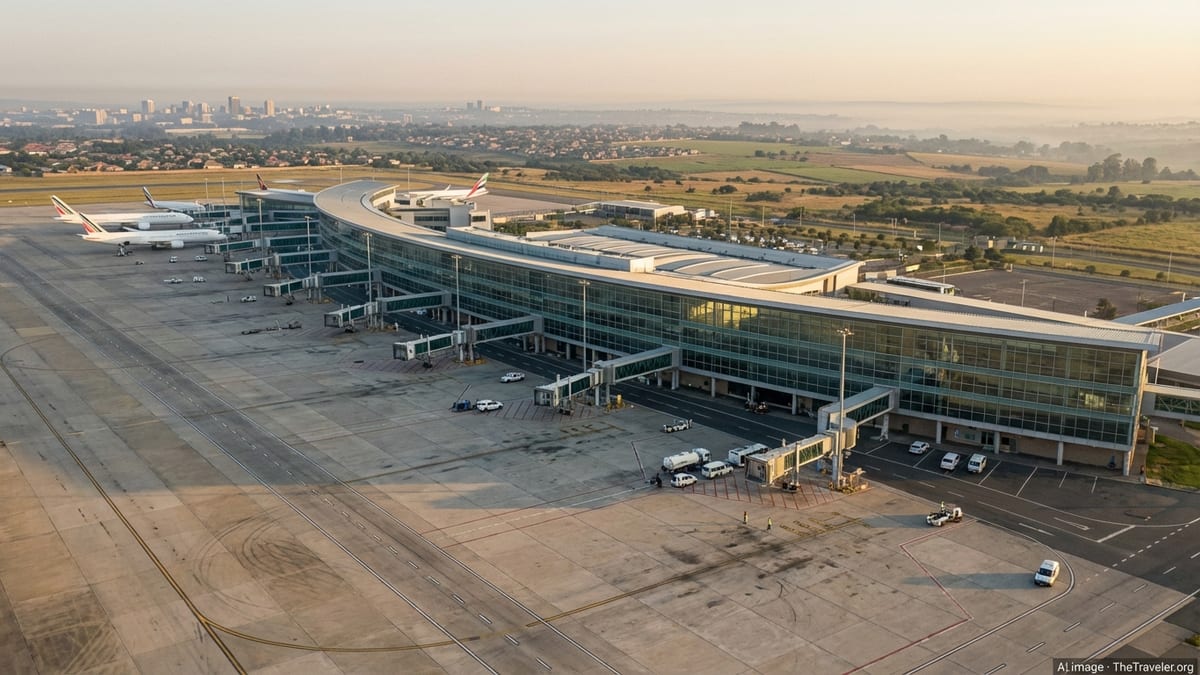
Go-slow action paralyses key East African hub
Flight operations at Jomo Kenyatta International Airport, Kenya’s main international gateway, have been severely disrupted since Sunday as aviation staff scaled back work in a coordinated go-slow. Publicly available coverage indicates that delays and cancellations mounted through the night into Monday, leaving aircraft out of position and check-in halls crowded with stranded passengers.
Reports from Nairobi describe departure boards filled with delayed flights and travelers sleeping on terminal floors or waiting in queues that snaked through the concourses. For many, the disruption has meant missed onward connections to regional destinations and Europe, as well as cancelled holiday plans and business trips.
The timing has compounded the impact. Jomo Kenyatta International Airport is a critical hub for East and Central Africa, handling regional links as well as intercontinental services. Ongoing disruption at such a node quickly ripples across airline networks, affecting travelers far beyond Kenya’s borders.
Overnight, some airlines reportedly advised passengers not to proceed to the airport unless their flights were showing as operating, while others encouraged customers to rebook. Travel forums and social media posts suggest confusion on the ground as information about specific flights changed by the hour.
Union cites stalled bargaining and staffing concerns
According to widely cited wire reports, the Kenya Aviation Workers’ Union has framed the action at Jomo Kenyatta International Airport as the result of a longstanding dispute over pay, staffing levels and working conditions. The union has highlighted what it describes as the failure to conclude a collective bargaining agreement with the Kenya Civil Aviation Authority, alongside tensions with the Kenya Airports Authority and airline subsidiaries operating from the hub.
Past public statements from labor representatives have raised concerns about workloads in key operational areas, including air traffic control and ground handling, and warned that staff shortages and pay disputes were eroding morale. The current go-slow is being presented in that context, as part of a broader push for guarantees on pay scales, job security and future investment in airport staffing.
Media accounts indicate that negotiations have been taking place intermittently, but there is no clear sign of a breakthrough. Union leaders are reported to be pressing for concrete timelines on the implementation of any deal, following earlier episodes where temporary arrangements did not fully resolve underlying disagreements.
The escalation at Jomo Kenyatta International Airport follows earlier aviation labor unrest in Kenya this year, including a separate two-day strike that disrupted flights and drew attention to the fragility of airport operations when key technical staff withdraw their labor.
Travelers confront mounting delays and uncertain itineraries
For passengers, the most immediate impact has been unpredictability. International coverage describes travelers arriving to find flights delayed by several hours or cancelled outright, with limited information on when operations might normalize. Some regional services have reportedly been pulled from schedules at short notice due to air traffic and ground-handling constraints.
Travelers attempting to rebook face heavy call-center traffic and limited availability on alternative services. In some cases, passengers have described being re-routed through other African hubs or rebooked onto flights departing days later, turning planned short stays into extended, unplanned stopovers.
Reports also describe bottlenecks around baggage handling, with suitcases arriving late or remaining unclaimed as reduced staffing and cascading delays slowed normal processes. For families and elderly travelers, the combination of long queues, scarce seating and patchy communication has added to the strain.
Consumer advocates and frequent travelers commenting publicly have urged passengers due to fly through Nairobi in the coming days to check their flight status frequently, allow extra time at the airport if travel is essential, and keep digital and printed copies of itineraries, boarding passes and travel insurance details readily available.
Regional aviation and tourism feel wider shockwaves
The disruption at Jomo Kenyatta International Airport is resonating well beyond Kenya’s borders. The hub serves as a key connection point for flights across East Africa and to the Indian Ocean islands, as well as long-haul services linking the region to Europe, the Middle East and Asia. When operations slow or halt at such a junction, airlines often need days to fully restore normal schedules.
Regional carriers have reported adjustments to their operations, with some canceling or consolidating flights into Nairobi due to the slowdown in airport services. Public posts from at least one neighboring country’s flag carrier indicate that services have been cancelled or diverted while the dispute continues.
Tourism stakeholders are also monitoring the situation closely. Late August is a busy period for Kenya’s safari industry and coastal resorts, and inbound visitors depend heavily on predictable flight schedules into Nairobi. Extended disruption during peak season could result in a surge of insurance claims, itinerary changes and reputational damage for a destination that markets itself as a reliable regional hub.
For business travelers, the strike comes amid a broader push to expand investment and conference traffic in Nairobi. Extended uncertainty around flight reliability may prompt some organizations to reconsider routing or scheduling until the labor situation stabilizes.
What travelers should watch for in the coming days
With the go-slow entering its second day and reports suggesting that talks have yet to produce a clear resolution, attention is now focused on whether the dispute will escalate or move toward a settlement. Travel analysts note that once an agreement is reached, airlines will still need time to reposition aircraft and crews, meaning that residual delays can persist even after staff resume normal duties.
Passengers with imminent travel plans involving Nairobi are being advised by travel agents and online booking platforms, according to published information, to monitor airline websites, mobile apps and email notifications closely. Changes to departure times, routings and even departure dates are likely as carriers adjust to staff availability and airport capacity.
Travelers considering new bookings through Nairobi in the next several days may wish to build in longer connection times or investigate routings through alternative hubs, particularly for critical trips that cannot easily be rescheduled. For those already en route, maintaining flexibility around accommodation and transfers can help mitigate the impact of rolling delays.
Industry observers point out that the current standoff underscores the importance of robust contingency planning at major airports, including clear communication channels to passengers and coordinated responses among airlines, regulators and airport operators when labor disputes threaten to disrupt operations.
Reuters: Kenya airport staff strike delays thousands of passengers
DW: Kenya passengers stranded amid airport staff strike
Outlook India: Nairobi airport strike disrupts flights
The Star: Kenya airport staff strike delays thousands of passengers