


More news on this day
The U.S. Department of State has updated its travel advisory for Nepal to highlight heightened risks from catastrophic late‑August flooding and landslides, urging U.S. citizens to exercise increased caution and carefully review itineraries that rely on mountain roads or travel near major rivers.
Get the latest news straight to your inbox!
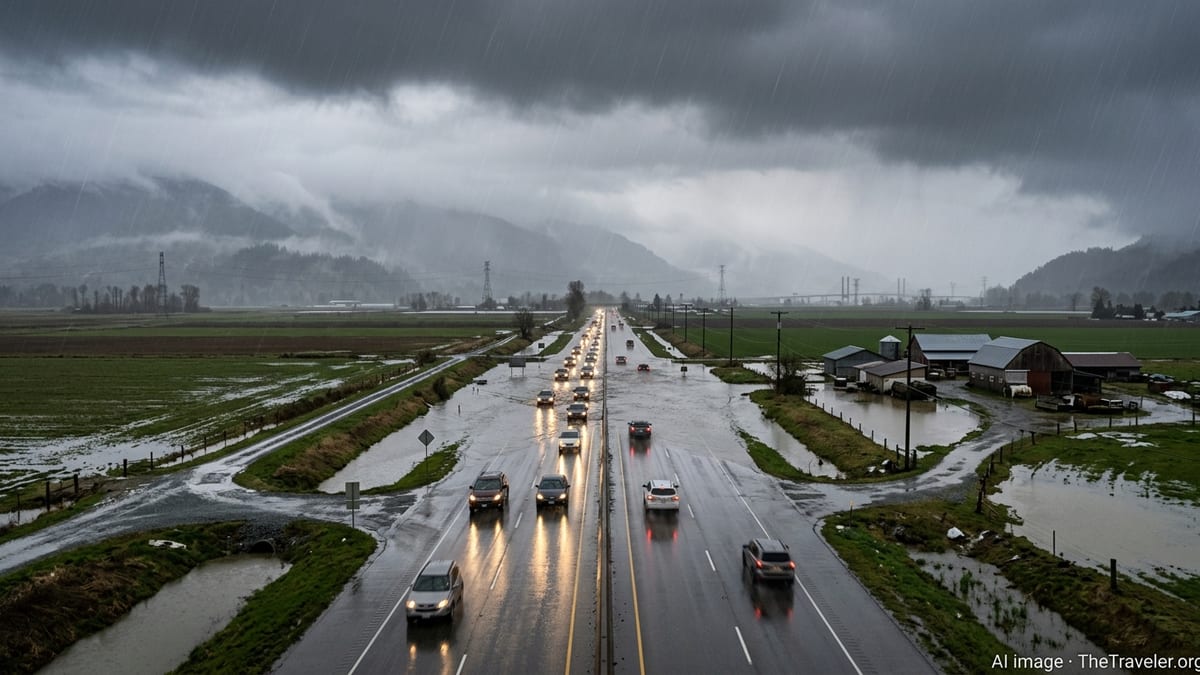
Advisory Raised as Monsoon Flooding Turns Deadly
The latest U.S. travel advisory lists Nepal at Level 2, or “Exercise increased caution,” citing unrest and natural disasters, with an update dated August 30, 2026. Publicly available information connects the revision to severe flooding and landslides that followed a late August glacial collapse in the Himalayas near the Nepal China border, which triggered destructive flash floods along the Bhote Koshi and Trishuli river systems.
International coverage describes at least 160 deaths in the border region and hundreds of people missing after walls of water swept through communities, damaged bridges, and cut roads, including routes used by trekkers and pilgrims heading toward Tibet. Thousands more people remain unaccounted for across affected districts, and rescue operations continue to face difficult terrain, unstable slopes, and recurring rainfall.
In a separate public statement, the U.S. government expressed condolences to victims of the Nepal floods and announced financial assistance for emergency shelter, relief items, and water, sanitation, and hygiene support. The same notice urged U.S. citizens already in Nepal to monitor local news, enroll in the Smart Traveler Enrollment Program, and be prepared for rapidly changing conditions in flood affected areas.
Regional travel advisories from other governments, including Australia and Ireland, have also been updated to reflect the late August disaster, emphasizing that overland routes near the border remain disrupted and that further heavy rain could worsen flooding and landslide risks.
Key Regions of Concern for Travelers
Reports from foreign travel advice services and local updates indicate that the greatest disruption is concentrated in and around Rasuwa district and the broader Bhote Koshi and Trishuli river basins. The flash flood that entered Nepal through the Bhote Koshi system on August 26 caused extensive damage near the Rasuwagadhi Gyirong border crossing, an important route for overland travel between Nepal and Tibet.
Advisories note that road and bridge damage has cut or severely restricted travel on several major corridors. Public guidance from the U.S. Embassy in Nepal and other diplomatic missions describes restricted movement along segments of the Prithvi Highway, the Galchhi Nuwakot Rasuwa Syafrubesi road, and the Mugling Narayangadh road, all of which connect Kathmandu with popular tourism hubs and trekking gateways.
The Australian government currently advises reconsidering nonessential travel within roughly 50 kilometers of the Trishuli River in parts of Rasuwa, Nuwakot, Dhading, Gorkha, and Nawalpur districts. Similar wording from Ireland’s Department of Foreign Affairs highlights widespread damage to buildings, roads, and communications infrastructure in the border area, and encourages travelers to postpone or reroute journeys that depend on affected roads.
While major urban centers such as Kathmandu and Pokhara remain accessible, traveler reports and local tourism updates stress that conditions can change quickly during the monsoon. Even in areas distant from the glacial flood zone, localized landslides, temporary road blockages, and flight disruptions are possible, particularly on mountain approaches and rural roads.
Impact on Trekking Routes and Overland Itineraries
The flooding has raised specific concerns for travelers planning late monsoon or early autumn treks in popular regions such as Langtang, Manaslu, and the broader Annapurna area. Routing to some trailheads relies on roads that follow the same river valleys now affected by flood damage, and reports from local agencies and traveler communities describe washed out sections, damaged bridges, and lengthy detours.
Public information from the Australian Smartraveller service and other national advisories recommends postponing overland travel between Nepal and Tibet, including itineraries to Mount Kailash and Lake Manasarovar, until authorities can fully assess and repair infrastructure. Travel forums and local tourism updates echo this guidance for routes that depend on the Rasuwagadhi crossing or on the most heavily affected stretches of the Trishuli corridor.
For treks based further west, such as many Annapurna itineraries reached via Pokhara, available accounts suggest that core routes remain largely operational, although heavy rain may still cause local hazards. Travelers are being encouraged to build additional time into schedules, confirm transport arrangements shortly before departure, and consider the risk of last minute cancellations or rerouting if new landslides occur along approach roads.
The State Department advisory and other public guidance also underscore that monsoon conditions can complicate search and rescue operations, and that medical evacuation from remote areas may be delayed when weather or road closures limit helicopter or vehicle access. Travel insurance that includes medical evacuation and trip interruption coverage is highlighted as an important consideration for trips planned in the coming weeks.
Practical Guidance for Travelers Considering Nepal
Publicly available material from the State Department and partner governments encourages travelers who still intend to visit Nepal to follow several practical steps. Prospective visitors are advised to check the latest national travel advisory for Nepal just before departure, review coverage from their own embassy or consulate, and stay informed through local news and official weather and flood monitoring sites once in country.
The Nepal Department of Hydrology and Meteorology provides weather forecasts and flood warnings, while government meteorological services publish monsoon updates and river bulletins. Foreign travel advice for Nepal consistently recommends avoiding riverbanks and low lying areas during active flood periods, and not walking, driving, or attempting to cross moving floodwater under any circumstances.
The U.S. government encourages its citizens to enroll in the Smart Traveler Enrollment Program so that they can receive safety messages and be easier to contact during emergencies. The U.S. Embassy in Kathmandu, in its public flood updates, asks people in affected districts who are safe to reach out to family and tour operators as communications allow, using text or messaging applications when voice calls are unreliable.
Travelers are also urged to speak with airlines, trekking agencies, and guides about contingency plans, including alternative routes or dates, and to factor in the likelihood of weather related delays. Given that monsoon rainfall can continue into September, publicly available information suggests that flexible itineraries and careful route selection will be especially important for visitors traveling in the near term.
Looking Ahead to the Remainder of Monsoon Season
The August floods highlight the broader pattern of monsoon related risk that appears in Nepal travel advisories year after year. The State Department’s detailed country information notes that heavy seasonal rains between June and September frequently cause landslides, mudslides, and flooding, which in turn damage trails and roads, injure or kill travelers, and leave communities isolated while repairs take place.
Foreign meteorological and travel safety sources warn that saturated hillsides and high river levels can sustain elevated danger even after the heaviest rainfall has passed. Continued storm systems or local cloudbursts may trigger additional slides or flash floods, especially in steep mountain terrain or narrow river valleys where debris loads remain high.
For the remainder of the 2026 monsoon season, widely accessible guidance points to a cautious but measured approach for tourism in Nepal. Many areas, particularly established city destinations and trekking regions away from the current disaster zone, remain open and are receiving visitors. At the same time, travelers are being encouraged to weigh their personal risk tolerance, consult up to date routing information, and avoid itineraries that depend on the most severely affected corridors or on time sensitive overland crossings near the Nepal China border.
As search, rescue, and rebuilding efforts continue, the State Department advisory and similar notices from partner governments signal that the situation remains dynamic. Anyone planning travel to Nepal in the coming weeks is urged, through these public channels, to monitor advisories, coordinate closely with local operators, and remain prepared to adjust plans if further flooding or landslides occur.
U.S. Department of State – Nepal Travel Advisory
U.S. Statement on Assistance for Nepal Floods
Australian Smartraveller – Nepal Travel Advice