


More news on this day
A workers’ strike at Nairobi’s Jomo Kenyatta International Airport has disrupted operations at Kenya’s main international gateway, leaving thousands of passengers stranded after widespread delays and cancellations on August 30 and 31.
Get the latest news straight to your inbox!
Slowdown at Kenya’s busiest air hub
Reports from Nairobi indicate that the strike and go-slow action by members of the Kenya Aviation Workers Union (KAWU) began on Sunday, August 30, before intensifying overnight into Monday, August 31. The industrial action has affected a wide range of ground and technical functions that are essential to keeping flights on schedule.
Publicly available information shows that departures and arrivals at Jomo Kenyatta International Airport (JKIA) have been severely disrupted, with some flights canceled outright and others delayed by several hours. Airlines have advised passengers to check their flight status before traveling to the airport, and some carriers have rebooked customers onto later services where possible.
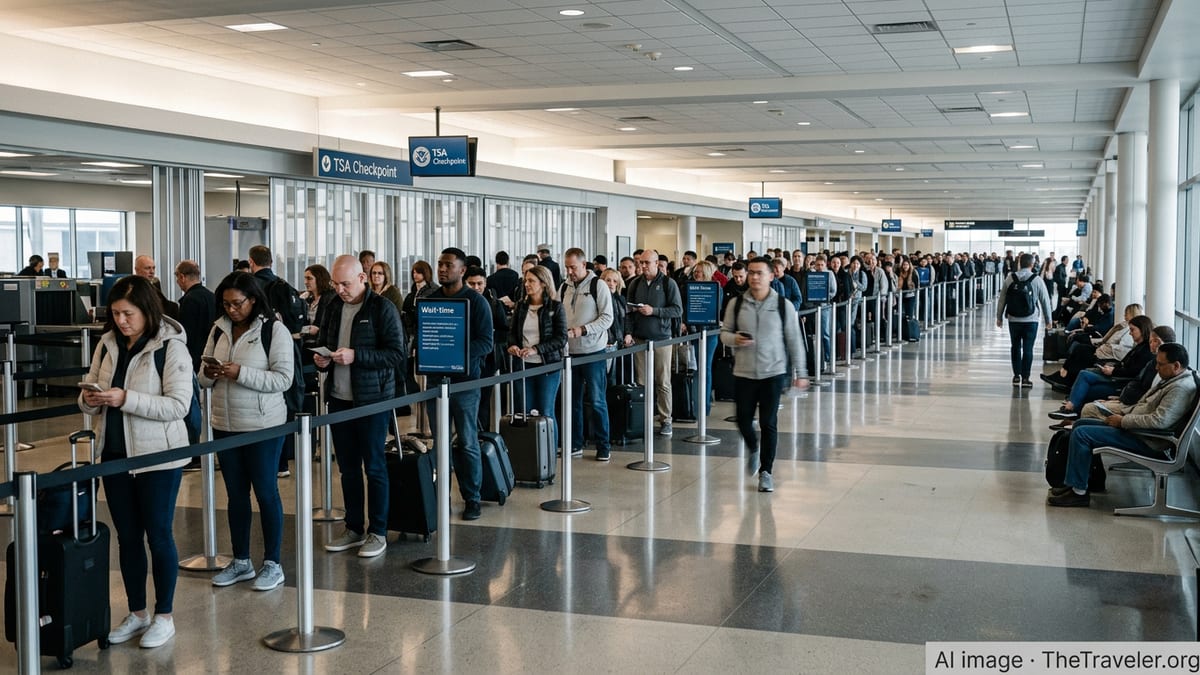
Images from local and international media outlets show crowded terminals, long queues at check in and security, and travelers sleeping on airport benches and floors as they wait for updates. Local coverage notes that some passengers spent the night inside the terminal due to a lack of available hotel rooms and uncertainty over when flights would resume.
JKIA is the primary international gateway for Kenya and one of East Africa’s busiest hubs, handling millions of passengers a year on routes linking Europe, the Middle East, Asia, and the wider African region. Any extended disruption at the airport can quickly ripple across regional networks, affecting connecting flights and onward travel plans.
Union grievances and ongoing negotiations
According to published coverage, KAWU members launched the strike over a mix of long running labor grievances, including dissatisfaction with pay and allowances, working conditions, and unresolved issues around collective bargaining. Reports also reference concerns about job security and staffing levels in critical airport roles.
Local news outlets indicate that union representatives and government officials held talks in the days leading up to the walkout but did not reach a final agreement. The union has framed the action as a last resort after what it describes as stalled negotiations over a new or fully implemented labor deal covering aviation workers.
Media reports point out that JKIA has seen several cycles of labor unrest in recent years, including earlier strikes and strike threats linked to disputes over compensation and proposed changes in airport management or ownership structures. The latest action is described as part of this broader pattern of tension between airport workers and the authorities that oversee aviation operations in Kenya.
While some services such as air traffic control are reported to be functioning, the slowdown by ground staff, baggage handlers, and other support workers has been sufficient to cause substantial disruption. Coverage suggests that the timing of the strike, at the start of a busy travel period, has increased its impact on both domestic and international passengers.
Impact on travelers and airlines
Reports from Nairobi and international outlets describe scenes of frustration and confusion as passengers try to navigate shifting schedules and limited information. Many travelers heading to or from safari destinations, business meetings, international conferences, and family visits have found their itineraries disrupted with little notice.
Several airlines serving JKIA, including Kenya Airways and regional carriers, have issued public travel advisories warning of possible delays and advising customers to arrive early, monitor airline channels, or consider alternative travel dates where feasible. Some foreign carriers have also adjusted their schedules or rerouted flights to avoid the most congested hours at the airport.
Published accounts highlight that passengers connecting through Nairobi to other African or long haul destinations have been particularly affected, with missed connections leading to unplanned overnight stays and rebooking challenges. Travel industry observers note that the strike is likely to generate additional costs for airlines in the form of accommodation, meal vouchers, and customer care, especially for long haul travelers facing significant delays.
Travelers already in Kenya are being urged by tourism operators and embassies, according to media reports, to keep in close contact with their airlines and tour companies. In some cases, passengers have been advised to adjust overland travel plans or consider departure from other regional hubs if their itineraries are especially time sensitive.
Wider implications for tourism and regional connectivity
The disruption at JKIA carries broader implications for Kenya’s tourism industry and its role as a major aviation hub in East Africa. Publicly available data shows that the airport is a key gateway for visitors headed to Kenya’s national parks, coastal resorts, and business centers, as well as a central node for connections between eastern, central, and southern Africa.
Travel analysts quoted in regional coverage suggest that a prolonged strike could affect traveler confidence, particularly among first time visitors or those planning complex multi stop itineraries that rely on Nairobi as a connecting point. Tour operators may need to adjust arrival and departure schedules, allow additional buffer time in itineraries, or temporarily favor routes that connect via alternative hubs.
Kenya’s aviation sector has already been navigating a challenging environment marked by fluctuating demand, currency pressures, and competition from other regional hubs. Operational disruptions of this scale can add to those pressures by increasing costs and complicating coordination between airlines, ground handlers, and tourism providers.
At the same time, some observers note that the strike has drawn renewed attention to the importance of stable labor relations for safeguarding Kenya’s position as a leading regional gateway. Travel industry commentary circulating online indicates that many stakeholders are watching closely to see how quickly a compromise can be reached and normal operations restored.
What travelers should know right now
For travelers with upcoming flights through Nairobi, publicly available advisories emphasize the importance of confirming flight status directly with airlines before departing for the airport. Many carriers are offering free date changes or flexible rebooking options for passengers whose journeys are affected by the strike.
Reports indicate that passengers already stranded at JKIA are being processed on a rolling basis as flights are able to depart, with priority sometimes given to those with long haul or onward international connections. Conditions in the terminal are described as crowded but generally orderly, with additional security and airport personnel deployed to manage queues and provide basic guidance.
Travel risk consultancies and regional news outlets recommend that travelers build extra time into their itineraries in the short term and maintain flexible arrangements for accommodation and ground transport in Nairobi. Those planning complex journeys that rely on tight connections through JKIA may wish to discuss alternative routing options with airlines or travel agents until the situation stabilizes.
As negotiations between the union and relevant authorities continue, media coverage suggests that the pace of operations at JKIA may fluctuate, with periods of partial recovery followed by renewed delays depending on the outcome of talks. Travelers and industry stakeholders are therefore closely monitoring updates from airlines, airport operators, and local news sources for indications of when full normal service is likely to resume.
Kenya: Passengers stranded amid airport staff strike - DW
Passengers stranded overnight by Kenya airport strike - Malay Mail
Kenya airport staff strike delays thousands of passengers - MyJoyOnline