


More news on this day
New York’s LaGuardia Airport is once again at the center of major travel disruption, with 119 flights delayed or canceled in a fresh wave of operational turmoil that has hit Southwest Airlines and Delta’s regional affiliate Endeavor particularly hard and left passengers scrambling for alternatives across the Northeast corridor.
Get the latest news straight to your inbox!
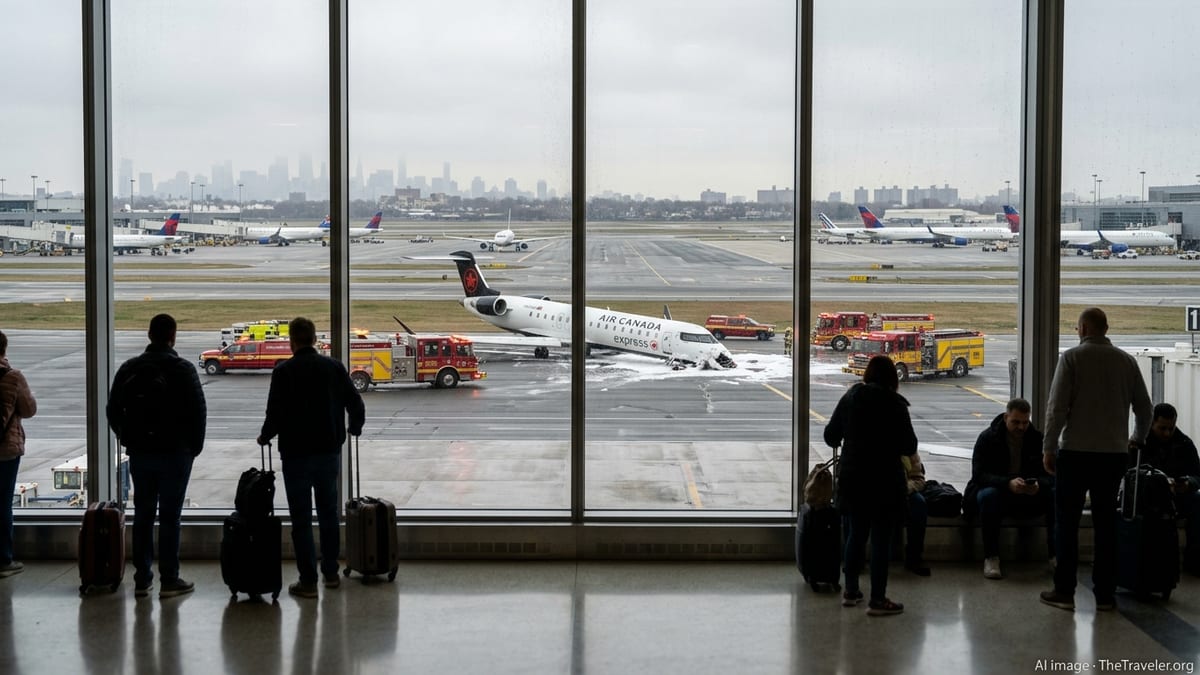
Fresh Chaos at a Historically Strained New York Hub
LaGuardia Airport has long been one of America’s most delay-prone hubs, and new aviation tracking data indicates the airport is now grappling with another acute disruption cycle affecting 119 flights across its domestic network. While LaGuardia often experiences weather-related slowdowns, current disruption patterns point to a combination of factors, including saturated infrastructure, severe congestion during peak hours, and wider knock-on effects from storms and schedule changes along the East Coast.
Publicly available operational dashboards and aviation analytics point to a sharp spike in both cancellations and extended delays concentrated within a single operating window. This disruption wave has disproportionately affected high-frequency shuttle markets and regional feeder routes, amplifying the impact on travelers who rely on tight connections and short-haul business trips.
The strain comes against the backdrop of an already fragile U.S. aviation system. Recent storms and operational bottlenecks at other major hubs, including Washington and Chicago, have triggered rolling delays and ground stops that ultimately reverberate into New York’s constrained airspace. As aircraft and crews fall out of position, LaGuardia’s tightly banked schedule leaves little margin to absorb cascading disruptions.
For passengers, the practical reality has been long queues at customer service counters, limited rebooking options on already-full flights, and a rush on last-minute rail and bus tickets between New York, Boston, Philadelphia, and Washington as travelers seek to bypass the gridlocked airport.
Southwest Hit by Rolling Delays on Key Domestic Routes
Southwest Airlines, which operates a dense web of domestic services into LaGuardia, has been one of the carriers most visibly affected by the 119-flight disruption wave. Real-time tracking and recent passenger reports highlight extended rolling delays, with some departures pushed back multiple times before ultimately being scrubbed or retimed, particularly on routes linking New York with Denver, Chicago, and other high-demand cities.
Recent months have already seen pressure on Southwest’s New York operation, with earlier disruption days at LaGuardia triggering long hold times, gate crowding, and last-minute cancellations. The current wave compounds those challenges, as aircraft arriving late from weather- or congestion-hit airports elsewhere enter the LaGuardia schedule already running significantly behind.
Travel industry data and consumer rights platforms note that although U.S. regulations do not mandate cash compensation for delays, passengers are entitled to refunds when a flight is canceled or significantly changed and they choose not to travel. However, securing same-day alternatives from LaGuardia has been difficult during the latest disruption, forcing some travelers to detour through Newark or even switch to overland transport to complete their journeys.
Customer experience accounts circulating on social platforms describe travelers facing multi-hour waits for rebooking and sparse updates at gate level. For those with time-sensitive commitments or limited flexibility, the cumulative effect of serial delays, missed connections, and crowded terminal conditions has turned standard domestic trips into overnight odysseys.
Endeavor Air and Delta Connection Routes Suffer Acute Impact
While major mainline carriers are battling widespread delays, regional operator Endeavor Air, flying under the Delta Connection banner, has suffered a particularly acute hit from LaGuardia’s latest operational crunch. Industry tracking from recent disruption days shows Endeavor absorbing a spike in both canceled departures and heavily delayed rotations, reflecting its role in feeding passengers into Delta’s network from smaller cities.
On high-frequency routes where Endeavor operates multiple daily flights, a handful of cancellations and extended ground holds can quickly strand large numbers of passengers. When inbound aircraft are delayed from other constrained hubs, the tightly choreographed pattern of short-haul turnarounds begins to unravel, forcing the airline to prioritize certain rotations while others are consolidated or dropped from the schedule entirely.
This dynamic has been evident in recent LaGuardia disruption events where regional jets serving cities in the Northeast and Midwest experienced elevated cancellation and delay rates compared with some larger mainline services. Passengers booked on those regional legs often have fewer alternative departures to choose from, magnifying the disruption when a flight is removed or pushed back by several hours.
As aircraft and crews fall out of sequence, Endeavor’s LaGuardia operation becomes vulnerable to ripple effects that can extend well beyond New York. Passengers bound for onward connections through Delta hubs have reported missed links and forced overnight stays when regional feeder flights into LaGuardia or out of the airport failed to operate as planned.
How LaGuardia’s Constraints Turn Disruptions Into Systemic Gridlock
LaGuardia’s recurring role in national travel chaos is closely linked to its operational constraints. The airport’s limited runway configuration, slot-controlled environment, and dense schedule of short-haul flights mean that even modest weather disturbances or air traffic control programs can produce outsized consequences. When a disruption wave reaches the scale of 119 affected flights, the system quickly nears gridlock.
Recent advisories from federal air traffic coordination centers have highlighted temporary ground stops and flow restrictions into LaGuardia during storm systems and congestion surges, including events earlier this month that constrained arrivals from multiple Northeast and Mid-Atlantic airports. These measures, while intended to maintain safety and order in the airspace, translate on the ground into tightly stacked departure queues, gate shortages, and aircraft held on the tarmac.
Once gates are occupied by aircraft that cannot depart or turn around on schedule, incoming flights circle, divert, or face extended ground delays at origin. The resulting backlog feeds directly into airlines’ decision making on whether to cancel, consolidate, or significantly retime flights, contributing to the 119-flight disruption tally and extending passenger misery deep into the evening peaks.
Infrastructure upgrades and terminal redevelopments have improved parts of the customer experience at LaGuardia in recent years, but analysts note that capacity and runway configuration remain fundamental constraints. As traffic rebounds and carriers push for efficiency, the margin for recovering from major operational shocks has stayed narrow.
What Stranded Passengers Can Do During Multi-Airline Meltdowns
For travelers caught in the latest LaGuardia turmoil affecting Southwest, Endeavor, and other carriers, experts recommend a combination of proactive monitoring and flexibility. Aviation rights trackers advise checking both airline apps and independent flight-status tools to confirm whether a disrupted flight qualifies for a refund rather than simply accepting a voucher or credit, especially when the delay stretches into many hours or the flight is outright canceled.
In a multi-airline disruption scenario, rebooking options at LaGuardia alone can disappear quickly, which is why travel advisors often suggest expanding the search to include New York’s other airports. Newark and, to a lesser extent, regional fields in New Jersey and the Hudson Valley may offer same-day alternatives, particularly for passengers willing to connect rather than fly nonstop.
For short- and medium-haul routes along the Northeast corridor, rail and intercity bus services can sometimes outperform severely delayed flights, particularly when security queues and taxi delays are included in the total journey time. During previous LaGuardia disruption days, passengers have shifted in significant numbers to train departures from Manhattan or Boston after morning cancellations wiped out airline schedules between the two cities.
Travel advocates also emphasize the importance of documenting expenses and communications during a major disruption. While U.S. rules around mandatory compensation remain limited, some airlines provide meal vouchers, hotel accommodations, or goodwill credits on a case-by-case basis, particularly when disruptions are tied to staffing or equipment issues rather than extreme weather. Keeping clear records can strengthen any subsequent complaint or reimbursement request once the immediate travel crisis has passed.