


More news on this day
The 2026 Iran war has injected fresh uncertainty into holiday planning for many people in the UK, with changing travel advisories, disrupted flight routes and new insurance questions affecting trips well beyond the immediate conflict zone.
Get the latest news straight to your inbox!
What the latest UK travel advice says about Iran
Foreign Office travel guidance currently advises against all travel to Iran for British nationals. Publicly available information highlights the risk of arbitrary detention, limited consular access and the broader instability created by the ongoing conflict. This advice has been in place for some time and has been reinforced since hostilities escalated in early 2026.
The advice also stresses that the UK government is severely limited in the support it can provide on the ground inside Iran. Embassy operations are constrained, and guidance notes that evacuation or face to face consular help may not be available if the security situation deteriorates further. Travellers who still choose to enter Iran do so in the knowledge that assistance options are much more restricted than in many other destinations.
For dual British Iranian nationals, the warnings are even more explicit. Official material has repeatedly underlined that Iran does not recognise dual nationality and that individuals with any perceived link to the UK may face heightened scrutiny. This has led to a standing recommendation that British Iranian dual nationals do not travel to Iran at all.
This position means that for most leisure travellers, Iran is effectively off the map as a viable holiday destination from the UK. Tour operators have largely suspended trips, and any remaining offerings tend to be aimed at specialist markets prepared to accept significant risk.
How the Iran war is affecting wider Middle East holidays
The impact of the Iran war extends well beyond Iran’s borders. Parliamentary briefings and aviation industry analysis describe a pattern of regional instability since February and March 2026, when US and Israeli strikes against Iranian targets triggered retaliatory actions and airspace closures across several Middle Eastern states.
In response, the Foreign, Commonwealth and Development Office has tightened travel advice across parts of the region, including advising against all but essential travel to several countries and specific areas. British nationals in Bahrain, Israel, Kuwait, Lebanon, Palestine, Qatar and the United Arab Emirates have been urged in official communications to register their presence in order to receive direct updates. This has reinforced a message that conditions can change rapidly and that holidays to nearby destinations may be affected with little warning.
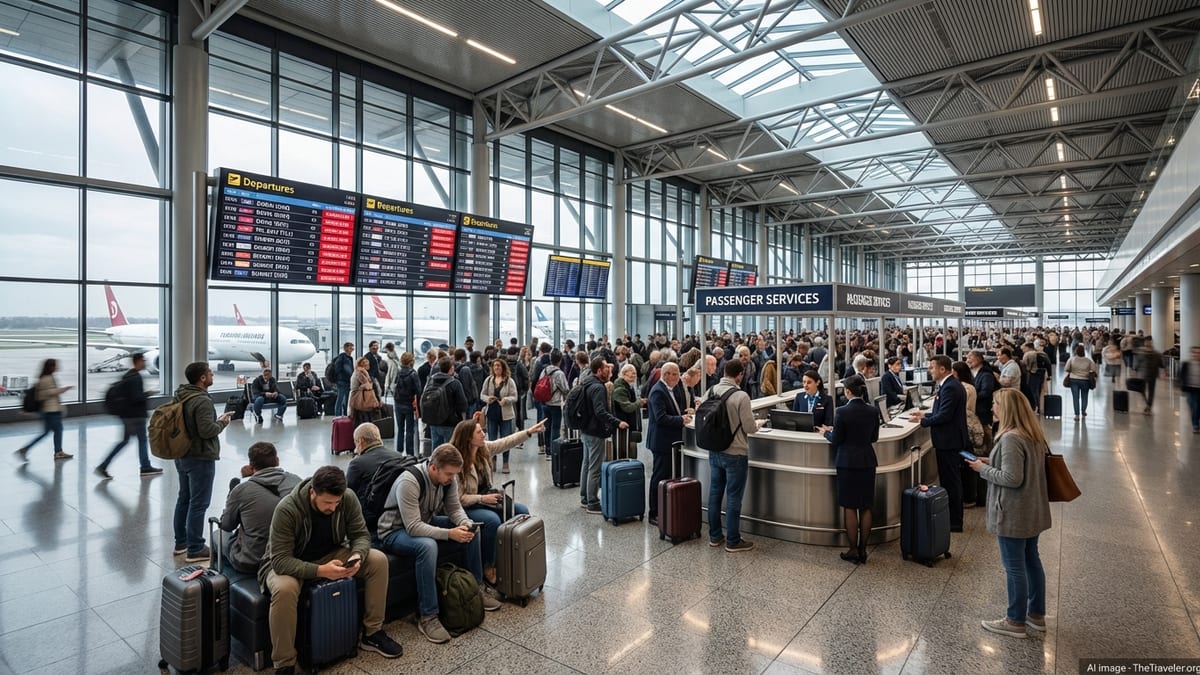
Airports that usually serve as key hubs between the UK, the Gulf and Asia have been particularly exposed. Reports from passenger advocacy groups and aviation specialists describe temporary shutdowns, mass cancellations and diversions as airspace has been closed or restricted for safety reasons. Even where airports remain open, schedules have been thinned and connection times lengthened.
As a result, UK travellers heading not just to the Middle East but also to East Africa, South Asia and parts of Southeast Asia have experienced knock on disruption. Journeys that previously routed via Gulf hubs are being reconfigured, sometimes at short notice, adding complexity to summer holiday planning.
Flight routes, airspace closures and what it means for your ticket
The Iran war has prompted airlines and regulators to tighten their approach to overflying conflict areas. Analysis by the UK Civil Aviation Authority and independent aviation consultancies indicates that large parts of Iranian and neighbouring airspace have been subject to restrictions or effective closure to civil aircraft during periods of heightened military activity.
Major European and Asian carriers, including several that serve the UK market, have publicly confirmed the suspension of routes using Iranian and parts of Iraqi airspace. Industry coverage shows many flights now routing north via Central Asia or south over Egypt and Saudi Arabia, adding distance and fuel costs. In some cases, direct services have been cut entirely where alternative routing is not commercially viable.
For passengers, this environment increases the risk of last minute schedule changes. UK regulators have urged travellers to check flight status with airlines before leaving for the airport and to monitor airline announcements closely. Government policy statements for summer 2026 also emphasise existing passenger rights, reminding carriers that they must offer refunds or alternative arrangements when flights are cancelled, even when disruption is driven by external events such as conflict or airspace closures.
However, rerouting options can be limited when multiple countries restrict overflight at the same time. Industry guidance notes that during major disruption, spare seat capacity across the network quickly disappears. Travellers may therefore need to be flexible on dates, routings and even departure airports if conflict related closures escalate again.
Insurance pitfalls and package holiday protections
The interaction between travel advisories and insurance policies has become a critical issue for UK holidaymakers watching the Iran war unfold. Standard policies often exclude cover for travelling against official advice or for losses linked directly to war and civil unrest. Insurers typically draw a clear line between routine disruption, such as technical delays, and events arising from armed conflict or government travel bans.
If the Foreign Office advises against all travel to a destination and a trip goes ahead anyway, many policies state that cancellation, medical and repatriation cover may be invalid. Travellers booked to Iran who choose to ignore current guidance therefore risk bearing the full cost of any emergency themselves. For countries near the conflict, policy wording can be more nuanced, but there is increased scrutiny around claims related to security incidents or government actions.
Package holiday regulations offer a stronger layer of protection where official advice changes after a booking is made. If a package destination becomes subject to an advisory against all but essential travel or all travel, tour operators are generally expected to cancel or allow customers to amend without penalty. Industry bodies and consumer advocates have been reminding travellers that these protections apply only when flights and accommodation are booked as a package, not when separate elements are pieced together independently.
Specialist travel insurance products that explicitly include some cover for war related disruption do exist, but these remain niche and tend to be priced accordingly. Prospective travellers are being encouraged in public guidance and consumer journalism to read policy documents closely, paying particular attention to exclusions around “acts of war,” “terrorism” and “government intervention.”
Practical steps for UK travellers planning ahead
For UK residents considering holidays in the coming months, the Iran war has turned routine travel planning into something that demands closer attention to risk. Publicly available briefings from government and aviation authorities repeatedly highlight the importance of checking travel advice at the time of booking and again shortly before departure, particularly for trips that transit through or near the Middle East.
Flexibility is emerging as one of the most valuable assets for travellers. Choosing tickets that allow changes, booking accommodation with generous cancellation terms and favouring package holidays with strong financial and regulatory protections all help to reduce exposure if routes are altered or advisories tighten. Travel industry commentary also suggests avoiding tight connections through potentially affected hubs, building in additional time where possible.
Travellers are also being urged to register contact details with their tour operator or airline and to keep an eye on reputable news outlets for updates on the conflict. While social media can provide rapid information, official statements from governments, regulators and airlines remain the primary reference points when it comes to cancellations, rerouting and safety decisions.
For many UK holidaymakers, the Iran war will not mean cancelling every trip, but it does require a more cautious and informed approach. Understanding how official advice, airspace decisions and insurance terms interact can make the difference between a manageable disruption and a costly, stressful ordeal if the conflict flares again during peak travel season.