


More news on this day
Las Vegas remains one of the country’s most affordable flight markets on paper, yet a mix of rising ticket values, new travel patterns and volatile fares is beginning to reshape how visitors plan and pay for trips to the city’s casinos, shows and mega-events.
Get the latest news straight to your inbox!
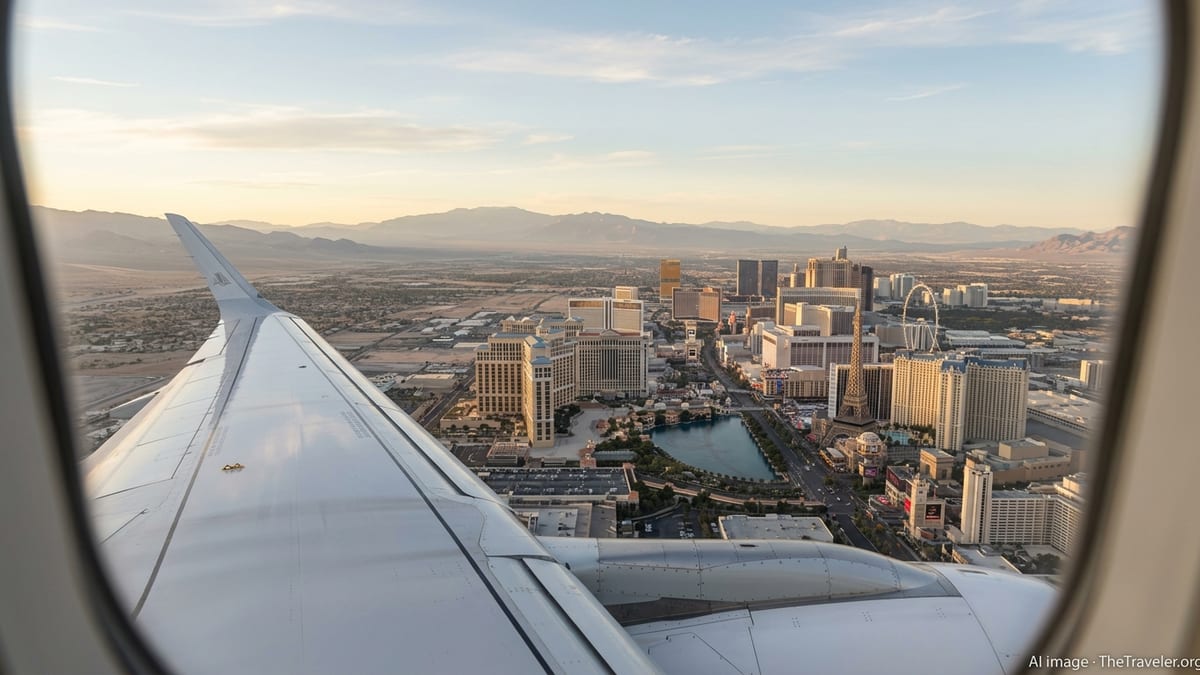
Las Vegas Flights Stay Relatively Cheap, but Pressure Is Building
Publicly available airfare data indicates that Las Vegas still ranks among the least expensive major U.S. airports for domestic tickets. A 2024 analysis of domestic fares found Las Vegas near the bottom of the price league table, with an average itinerary fare of around $285, cheaper than many large hubs such as New York and Washington airports. Even after inflation adjustments, Las Vegas remains in the budget tier for airfare compared with other major destinations.
At the national level, however, the trend line is moving higher. Figures from the Bureau of Transportation Statistics show that average domestic fares ticked up again through late 2024 and into 2025 after sharp swings earlier in the decade, reflecting higher fuel, labor and operating costs for airlines. Trade group data on “all in” round-trip fares, including ancillary fees, also points to rising traveler outlays even when base fares appear stable.
This means that while Las Vegas may be a relative bargain when ranked against other airports, visitors are increasingly comparing today’s prices to the deeply discounted tickets available during the immediate post-pandemic rebound. For many leisure travelers, the perception is that “cheap Vegas flights” are no longer as readily available, particularly around weekends and headline events.
Recent federal consumer fare reports also highlight significant price jumps on certain city pairs, with Las Vegas appearing among markets that experienced notable year-over-year increases in specific quarters. Although the destination overall still posts lower-than-average fares, the spikes on key feeder routes can substantially alter what visitors pay at peak times.
Record Passenger Traffic Meets Slower Tourism Growth
Despite the perception of higher costs, more people than ever are flying into Southern Nevada. Harry Reid International Airport reported a record 58.4 million passengers in 2024, edging past the previous year’s total and placing the facility among the busiest airports in North America. Airport data shows a particularly strong rebound in international traffic, which jumped by more than 13 percent compared with 2023, underscoring Las Vegas’s global appeal.
Tourism indicators tell a slightly more nuanced story. Research commissioned for local tourism authorities shows that Las Vegas welcomed just over 41 million visitors in 2024, an increase from the prior year but still only modestly above pre-pandemic benchmarks. A separate economic impact study valued the broader tourism industry in the region at roughly $87.7 billion, with visitor spending on lodging, dining, shopping and entertainment all contributing to that figure.
Industry coverage notes that many of these indicators are now growing more slowly than during the surge years immediately after travel restrictions eased. Gaming revenues on the Strip, for example, softened over the second half of 2024, with several consecutive months of year-over-year declines, even as air traffic remained strong. Analysts suggest that higher trip costs, including airfares, may be prompting some travelers to trim budgets once they arrive.
This divergence between record airport throughput and more tempered growth in visitation and gaming highlights a subtle shift. More of the people passing through Harry Reid may be staying for shorter periods, combining business with leisure, or allocating a larger share of their total trip budget to simply getting to Las Vegas.
Higher Airfare Reshapes How Visitors Plan and Spend
Survey-based visitor profiles for 2024 indicate that overall spending per trip has climbed to fresh highs, with one compilation estimating average outlays above $1,300 per visitor and daily spending around $330. Separate breakdowns show lodging, food and beverage, and shopping all registering strong gains. Yet the same reports note that the pace of growth is slowing and that some categories, such as sightseeing, have plateaued compared with the year before.
Travel industry analysis suggests that air travel costs are one factor encouraging visitors to rework their itineraries. With domestic airfares generally trending higher, many travelers are booking farther in advance, seeking midweek departures to avoid weekend surcharges, or shortening trips by a night to keep total costs in check. Airline pricing tools and metasearch dashboards show that Las Vegas fares, like most markets, can fluctuate sharply by day of week, booking window and season.
Guidance compiled from airfare trend trackers and flight search platforms emphasizes similar tactics: avoid peak holiday departures, consider shoulder-season travel, and monitor prices over several weeks to capture short-lived dips. For Las Vegas, where major sporting events, conventions and residencies increasingly anchor the calendar, this leads to wide gaps between off-peak and event-week fares, pushing some budget-conscious visitors to shift their travel to quieter periods.
For higher-spending visitors, the airfare surge may matter less than room rates or event tickets. But for cost-sensitive segments, particularly regional travelers who once relied on ultra-low fares, higher ticket prices can translate into fewer side trips, smaller gambling budgets or reduced spending in restaurants and shops once on the ground.
Tourism Industry Adjusts to Cost-Sensitive Demand
Local tourism research shows that visitor expectations of value remain central to Las Vegas’s appeal. In 2024, more than half of surveyed visitors reported that the destination exceeded their expectations, with strong marks for entertainment and dining options. At the same time, industry briefings point to deepening concerns about affordability as cumulative increases in airfare, hotel rates, resort fees and event pricing lift the total cost of a typical trip.
Economic impact reports for Southern Nevada indicate that while total visitor spending reached record territory in 2024, growth is no longer as broad-based as it was during the immediate rebound years. Analysts note that repeat visitation is under pressure and that some markets, particularly certain domestic segments, show signs of softening as households respond to inflation and higher borrowing costs.
In response, airlines, hotels and travel sellers have been promoting bundled offers and advance-purchase packages that aim to lock in both airfare and room rates. Publicly available booking data indicates that value-focused deals are increasingly targeted at shoulder seasons when visitor numbers dip and aircraft seats are more plentiful, creating opportunities for travelers who can be flexible with dates.
Travel advisers and fare analysts also highlight the growing role of data-driven pricing tools, which allow airlines serving Las Vegas to adjust capacity and fares more quickly around marquee events. That flexibility helps preserve profitability but can leave travelers facing sharp price differences from one week to the next, reinforcing the perception that Las Vegas is becoming a more expensive escape.
What Rising Airfares Mean for Future Las Vegas Travel
Looking ahead, federal aviation statistics suggest that domestic airfare levels are unlikely to return to the deep-discount era of the early 2020s, even if ticket prices ease in certain quarters. Airlines continue to grapple with higher operating costs, constrained fleets and slot limitations at some hubs, all of which support firmer pricing. For Las Vegas, which depends heavily on air access from across the United States and abroad, this structural shift may gradually reset what visitors consider a “normal” price for a getaway.
Tourism forecasts for Southern Nevada point to continued growth in visitor spending, but at a slower clip than in recent boom years. Convention calendars remain robust, and major events continue to draw high-spending crowds, helping offset softer demand among more price-sensitive travelers. At the same time, data showing fewer visitors but higher average spending in some recent periods hints at a destination increasingly reliant on a smaller pool of higher-value guests.
For travelers, the new environment does not necessarily mean Las Vegas is out of reach, but it does require more deliberate planning. Monitoring fare trends, targeting off-peak travel windows and comparing total trip costs across airlines and days can still yield competitive deals, especially when combined with promotions on rooms and entertainment. As airfares continue to reshape the cost structure of a Vegas vacation, the city’s tourism economy will increasingly hinge on how successfully it can convince visitors that the experience remains worth the higher price of admission.
Sources: U.S. Bureau of Transportation Statistics average fare data; Harry Reid International Airport 2024 passenger report; Las Vegas Convention and Visitors Authority visitor profile and economic impact studies; Airlines for America domestic airfare trends; Kayak airfare trends dashboard