


More news on this day
Peak summer travel plans were thrown into disarray in Portugal this weekend as a cluster of last-minute cancellations by Air France, easyJet and KLM wiped out at least five flights from Lisbon to key European hubs, disrupting links to Paris, Milan, Amsterdam and London and leaving thousands of passengers scrambling for options.
Get the latest news straight to your inbox!
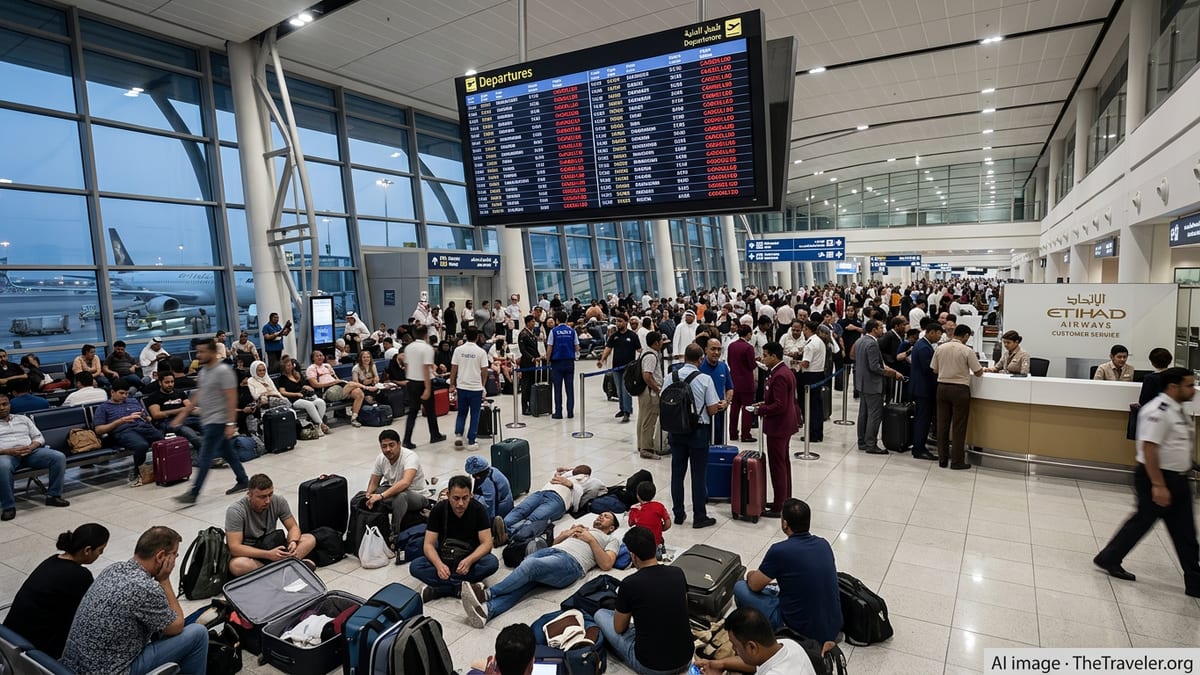
Fresh Wave of Disruption at Lisbon Humberto Delgado Airport
The latest cancellations hit Lisbon Humberto Delgado Airport at one of the busiest points of the summer season, according to publicly available flight-tracking data and industry monitoring sites. Services operated by the Air France-KLM group and easyJet linking the Portuguese capital with major hubs in France, Italy, the Netherlands and the United Kingdom were among those withdrawn at short notice.
Sector analysts note that Lisbon has endured a series of irregular operations in recent months, with published coverage describing recurring delays and cancellations on European routes and highlighting the airport as a pressure point for both national and foreign carriers. These earlier issues have combined with the newest wave of cancellations to amplify strain on airport infrastructure and passenger-handling capacity.
The affected flights formed part of dense short-haul networks that funnel leisure and business travelers through Paris Charles de Gaulle, Amsterdam Schiphol and London airports, as well as Milan Malpensa. When several departures disappear on the same day, it can quickly overwhelm rebooking channels, particularly when alternative flights are already heavily sold for the school holiday period.
Although the number of individual flights involved is relatively modest, aviation observers stress that even a handful of cancellations on hub routes can strand large numbers of travelers, especially when each service carries several hundred passengers and many rely on onward connections across Europe or to long-haul destinations.
Knock-on Effects for Connections Across Europe
Industry data from recent weeks shows that both KLM and Air France have been managing wider operational challenges, including earlier waves of cancellations from Amsterdam and Paris that disrupted itineraries across the continent. Reports indicate that flights linking these hubs with Lisbon have been among those affected, contributing to a pattern of recurring schedule changes involving Portugal.
Low-cost carrier easyJet has also faced disruption on its southern European network this summer, with published accounts describing passengers stranded at various Mediterranean airports following cancellations linked to air traffic control restrictions and congestion. Routes between Lisbon and Milan, as well as services connecting Italy and the United Kingdom, have been highlighted as particularly vulnerable when wider European airspace problems arise.
Travel specialists point out that once an airline’s aircraft and crews are out of position, punctuality can unravel across multiple sectors. A single grounded aircraft in one city can cascade through the network, triggering cancellations on subsequent legs that were meant to feed or connect with flights to Paris, Amsterdam or London. This dynamic helps explain how a localized issue can quickly result in empty departure boards for several Lisbon routes on the same day.
Passengers booked on long-haul services via European hubs are especially exposed. Missing a relatively short flight from Lisbon to a gateway such as Paris Charles de Gaulle or Amsterdam Schiphol can jeopardize onward journeys to North America, Africa or Asia, often requiring complete re-routing or overnight stays when replacement connections are unavailable.
Passengers Face Long Queues, Limited Alternatives and Growing Costs
Images and descriptions shared across social platforms and in local media portray crowded terminals, long customer-service lines and passengers seeking overnight accommodation after the latest cancellations. With five flights removed from the schedule in a compressed time frame, many affected travelers have reported difficulties finding same-day alternatives from Lisbon, particularly to Milan and Amsterdam.
Publicly available booking data shows that remaining services on the same routes are heavily booked during the peak summer period, limiting the ability of airlines to re-accommodate disrupted customers quickly. In some cases, travelers have been encouraged by consumer advocates to consider departures from Porto or nearby Spanish airports when rebooking options out of Lisbon are exhausted.
The financial impact on passengers can be significant. When flights are canceled close to departure and replacement options involve extra nights in hotels, new ground transfers or additional tickets, out-of-pocket costs can mount quickly, particularly for families or groups. Consumer organizations monitoring the situation in Portugal emphasize the importance of keeping receipts and detailed records for any expenses incurred while stranded.
For local tourism operators, the disruption arrives at a sensitive time. Hotels, tour companies and car-rental firms in Lisbon, as well as in destination cities such as Paris, Milan, Amsterdam and London, often rely heavily on predictable arrival flows. Sudden gaps in expected visitors, or late arrivals after missed connections, can ripple through local tourism economies at both ends of the affected routes.
Passenger Rights Under European Air Travel Rules
Despite the frustration caused by the cancellations, travelers departing from Lisbon or flying into Portugal on European carriers benefit from one of the world’s more robust passenger-protection frameworks. Guidance published by air-passenger rights specialists explains that, under European rules, customers on flights canceled at short notice may be entitled to compensation up to several hundred euros per person, depending on distance and circumstances.
These regulations also set out a right to care when passengers are left waiting for long periods at the airport. This can include meals, refreshments and, when necessary, hotel accommodation and transport between the airport and lodging. Public information issued by major airlines, including KLM and Air France, reiterates that travelers on canceled or significantly delayed flights can request refunds or vouchers when they choose not to travel, or when rebooking options do not meet their needs.
Legal experts in the field advise passengers to distinguish between compensation and refunds. A full refund is generally due when the airline cancels a flight and the traveler decides not to accept an alternative, while compensation is an additional payment designed to acknowledge inconvenience in specific scenarios defined by law. Documentation from recent European cases underscores that travelers should submit claims promptly and be prepared for processing times that can stretch over several weeks.
Specialist firms and consumer associations continue to publish step-by-step guidance for travelers affected by disruptions at Lisbon and other European hubs. These resources highlight the importance of retaining boarding passes, confirmation emails, screenshots from airline apps and any written communication related to the cancellation or rebooking process in order to support future claims.
What Travelers Through Lisbon Can Do Now
For passengers currently scheduled to travel from Lisbon to Paris, Milan, Amsterdam or London, aviation advisers recommend checking flight status frequently, particularly in the 24 hours before departure. Airline apps and airport departure boards provide the most immediate indication of delays or cancellations, while broader news and industry trackers can offer context about ongoing disruptions.
Travel-planning specialists suggest that those with critical connections, such as onward long-haul flights or cruise departures, consider building extra buffer time into their itineraries while disruption levels remain elevated. Booking earlier flights to major hubs or choosing itineraries with longer layovers can provide a margin of safety if short-haul sectors from Lisbon are delayed or rescheduled.
Where cancellations have already occurred, publicly available guidance encourages travelers to explore all options offered by the airline, including rebooking on later services, accepting vouchers or requesting refunds. In parallel, some passengers may find it worthwhile to search independently for alternative routes via secondary airports, then seek reimbursement or partial compensation later if eligible under European regulations.
While the latest cluster of cancellations involving Air France, easyJet and KLM has created acute difficulties for thousands of passengers in Portugal, industry observers note that the underlying issues of congestion, staffing constraints and tight summer schedules are not unique to Lisbon. For now, travelers across Europe are being urged to stay informed, remain flexible and make full use of their rights when flight plans unravel.