

More news on this day
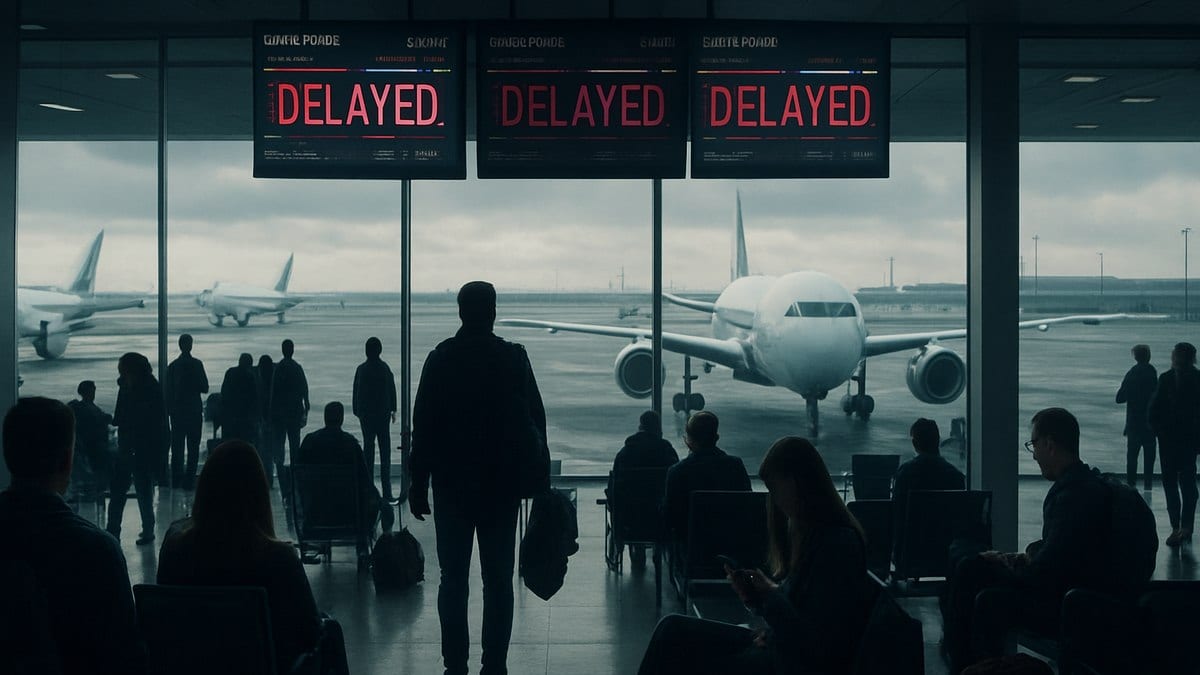
Travelers passing through Boston Logan International Airport on April 12, 2026, faced a fresh wave of schedule disruptions as at least 65 flights were reported delayed across major domestic and international carriers.
Get the latest news straight to your inbox!
Major Carriers See Rising Delay Totals
Publicly available flight-tracking data and industry coverage indicate that the delays at Logan on April 12 were spread across several of the airport’s largest operators, including Delta Air Lines, JetBlue, British Airways, Spirit Airlines and TAP Air Portugal. The disruptions affected both departures and arrivals, amplifying knock-on effects for connecting services across the United States and on transatlantic routes.
Reports compiled from aviation tracking platforms suggest JetBlue and Delta accounted for a significant share of the delayed operations, reflecting their large footprint at the Boston hub. JetBlue, which maintains a substantial focus city operation at Logan, saw multiple delayed services on high-demand routes to Florida and other East Coast destinations. Delta experienced its own cluster of late departures and arrivals, particularly on flights linking Boston with southern U.S. and Caribbean gateways.
International operators were not spared. British Airways services between Boston and London encountered timing disruptions that threatened to cascade into missed onward connections in Europe. TAP Air Portugal and other transatlantic carriers also reported delayed departures, narrowing connection windows for travelers planning transfers in Lisbon and other European hubs.
Although only a small number of outright cancellations were recorded compared with the volume of delays, the combination of late-running flights and aircraft arriving out of sequence placed additional strain on gate assignments and crew scheduling throughout the day.
Weather, Congestion and Wider Network Strains
While weather conditions around Boston were relatively favorable on April 12, the pattern of delays at Logan formed against a broader backdrop of network stress across North American and European airspace in early April 2026. Published accounts from aviation analysts point to a combination of air traffic control constraints, residual winter-weather impacts elsewhere and tight aircraft utilization as key contributors to the growing tally of late flights.
In the days leading up to the Logan disruptions, portions of the U.S. network were still recovering from earlier winter storms that had forced large numbers of cancellations and diversions during February and March. Boston itself had experienced severe weather events earlier in the year that temporarily suppressed on-time performance and created ongoing scheduling challenges as airlines worked to reposition crews and aircraft.
Industry monitoring services also highlight that European hubs such as Heathrow and Gatwick saw elevated delay levels during the same weekend, with hundreds of late-running flights recorded. Although those disruptions were primarily driven by local factors in the United Kingdom, they contributed to ripple effects on certain transatlantic rotations serving Boston and other East Coast gateways.
Operational specialists note that when a single long-haul aircraft falls behind schedule on an overnight or transatlantic leg, the resulting delay can echo through multiple short-haul segments the following day. This dynamic appeared to play a role at Logan, where some of the affected carriers operate tightly timed turnarounds on popular business and leisure routes.
Impact on Passengers and Connection Windows
For passengers, the 65 delayed flights translated into missed meetings, disrupted vacations and, in some instances, unplanned overnight stays. Travelers connecting through Boston to secondary U.S. cities or overseas destinations faced particular challenges, as relatively modest delays on inbound flights quickly eroded buffer times during busy transfer peaks.
Travel commentary and traveler accounts posted on public forums in recent weeks describe a growing sense of uncertainty among passengers planning itineraries through major hubs like Logan. Even when security lines and check-in counters operate smoothly, late aircraft arrivals and shifting gate assignments can leave travelers scrambling to rebook connections or adjust ground transport arrangements at short notice.
For families and leisure travelers, the disruptions at Logan added another layer of complexity to trips already shaped by school schedules and limited vacation windows. Many passengers depend on early-morning or late-evening departures to maximize time at their destinations, making even moderate delays particularly disruptive to carefully arranged plans.
Airlines serving Logan have continued to emphasize digital tools and mobile notifications to keep passengers informed of schedule changes. However, publicly available feedback suggests that uneven communication between carriers, airport operations and travelers can still leave some customers confused about the latest departure times or rebooking options when multiple flights are affected simultaneously.
Logan’s Performance in a Year of Volatile Operations
The April 12 disruptions arrive in a year when major North American airports, including Boston Logan, are navigating volatile operational conditions. Federal data and airport performance summaries released in recent months show that Logan generally compares favorably with many large U.S. hubs in terms of on-time arrivals and departures, but remains vulnerable to regional weather systems and air traffic flow constraints along the busy Northeast corridor.
Earlier in 2026, intense winter storms in January and February brought substantial disruption to New England’s transport network, with hundreds of flights canceled at Logan during the most severe events. Although those storms are now well past, residual knock-on effects within airline networks have kept schedules sensitive to further disturbances, whether from localized weather, aircraft maintenance issues or congestion in shared airspace.
Logan has been investing in technology intended to give passengers more visibility into real-time conditions at the airport. Local reporting in Massachusetts has highlighted initiatives to provide updated security wait times and other operational metrics through official apps and information screens, a move that could help travelers better plan arrival times and connections as traffic continues to grow.
At the same time, infrastructure planning documents from regional authorities indicate that ongoing work on runways and taxiways, along with evolving terminal layouts, may intermittently affect how quickly aircraft can be moved on and off gates during peak periods. While not always the primary cause of major disruptions, these constraints can compound delays when weather or air traffic issues arise.
What Travelers Can Expect in the Days Ahead
Looking beyond the 65 delayed flights logged on April 12, aviation data providers and travel advisory services suggest that travelers using Logan in mid-April should remain prepared for continued schedule volatility. Forecasts for the broader North Atlantic and Northeast corridor indicate that further rounds of unsettled weather and ongoing air traffic management measures could yield elevated delay levels at multiple hubs.
Passenger-rights organizations and travel experts generally encourage travelers to build additional connection time into itineraries, particularly when flying through busy hubs or relying on the last departure of the day to reach their destination. Early departures and mid-day flights tend to offer more recovery options if disruptions occur, while heavily banked evening waves can leave fewer alternatives when operations slip behind schedule.
For Logan specifically, publicly reported performance data suggest that the airport’s overall reliability remains comparatively strong despite headline-grabbing days of disruption. However, the events of April 12 underscore how quickly conditions can change when multiple carriers confront overlapping challenges, from downstream delays on inbound aircraft to congestion at other airports feeding into Boston’s network.
As airlines and airport managers continue to refine schedules for the busy summer travel season, passengers transiting Logan in the coming weeks are likely to see a mix of smooth days and intermittent disruption. For those flying through Boston, staying alert to schedule changes, allowing extra time for connections and monitoring airline and airport updates can help mitigate the impact of the kind of multi-carrier delays that marked this latest episode.