

More news on this day
Passengers at Boston Logan International Airport faced another bruising travel day on Thursday as at least 18 flights were cancelled and 145 delayed, with carriers including JetBlue, El Al, LATAM Brasil and Korean Air struggling to restore normal operations on routes across the United States, Europe, Latin America and Asia after this week’s severe winter weather.
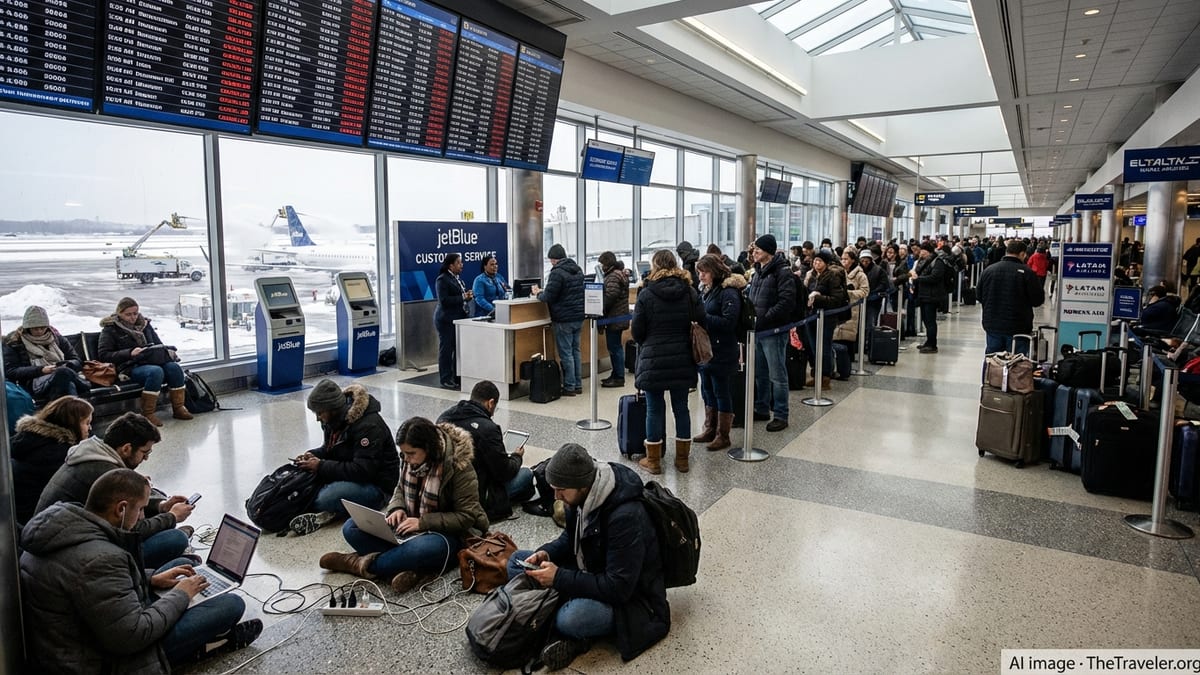
Storm Hangover Keeps Logan on the Back Foot
The fresh disruption on February 26 comes on the heels of a powerful nor’easter that snarled air travel across the Northeast earlier in the week, leaving airlines with backed-up aircraft, displaced crews and limited room to recover schedules. While runways and taxiways at Logan have been cleared, operations remain fragile, and even small hiccups in one city are rippling through the system.
Flight trackers showed a patchwork of delays radiating from Boston to major domestic destinations including New York, Washington, Orlando, Los Angeles and San Francisco, as well as transatlantic and long haul connections. For travelers, that translated into hours spent in security lines and gate areas, constantly refreshing departure boards that shifted from "on time" to "delayed" with little warning.
Airport officials have repeatedly urged passengers to arrive early and to check flight status before heading to Logan, warning that it could take several days after the storm for airlines to fully normalize operations. Yet for many travelers who had already rebooked once or twice this week, the latest wave of delays and cancellations felt like another setback in an already exhausting journey.
JetBlue Bears Brunt as Hub Operation Stumbles
JetBlue, Logan’s dominant carrier and one of the hardest hit airlines during the storm, again shouldered a large share of the disruption on Thursday. The airline has been running a stretched operation since the beginning of the week, when it scrubbed a significant portion of its schedule as heavy snow and fierce coastal winds made flying unsafe in and out of Boston.
With aircraft and crew still out of position, even routine issues such as slow de-icing or air traffic control spacing led to knock-on delays for JetBlue’s busy network linking Boston to Florida, the Caribbean and key business markets across the United States. International feed from Europe and Latin America also felt the strain as inbound flights arrived late, compressing already tight connection windows for onward travel.
Scenes at Terminal C reflected the strain. Lines at customer service desks stretched deep into the concourse as passengers sought rebooking options or meal vouchers, while others clustered around power outlets to keep phones and laptops charged as they waited. Some travelers, facing overnight misconnects, scrambled for scarce hotel rooms near the airport.
International Routes to Europe, Latin America and Asia Disrupted
Beyond domestic chaos, the latest disruptions hit a number of key long haul routes, underscoring how quickly problems at a single hub can echo across continents. El Al’s service linking Boston with Israel, LATAM Brasil’s connections to South America and Korean Air’s flights to Asia were among those affected as crews and aircraft cycled through congested airspace and weather-impacted airports.
Even when international flights operated, many departed Boston behind schedule, complicating onward connections in European and Latin American hubs. Passengers heading to destinations as varied as Madrid, São Paulo and Seoul reported being rebooked onto later departures or facing extended layovers as airline networks tried to absorb the disruption.
For global travelers, the timing was particularly painful. February is a growing month for winter getaways to the Caribbean and South America, as well as business travel on transatlantic routes. With aircraft often flying close to full, finding spare seats for stranded passengers proved challenging, increasing the likelihood of multi-day delays for some itineraries.
Passengers Endure Long Waits and Limited Answers
On the ground at Logan, frustration mounted as travelers weighed their options. Many described receiving conflicting information between airline apps, airport departure boards and gate announcements, a common complaint during irregular operations when schedules are rebuilt in real time.
Parents traveling with young children juggled strollers and carry-on bags in crowded gate areas, while students and business travelers tried to rearrange meetings, classes and hotel reservations from their phones. Some passengers opted to abandon air travel altogether, renting cars or booking intercity trains and buses to reach destinations within a day’s drive of Boston.
Despite the frayed tempers, there were also moments of improvisation and cooperation. Airline agents worked overtime to triage the longest delays, and passengers shared information about alternate routes, from early morning departures the next day to circuitous itineraries through less congested hubs in the Midwest and South.
Airlines Face Mounting Pressure to Stabilize Schedules
The latest operational tangle highlights the tight margins under which airlines are currently operating. In the aftermath of the storm, carriers are juggling crew duty limits, maintenance windows and airport curfews, all while attempting to keep as much of their schedule intact as possible. Any additional weather, technical or air traffic control issue has the potential to trigger another round of cascading disruptions.
Industry analysts note that Boston’s importance as both a domestic and international gateway leaves it particularly exposed when severe weather hits. The airport’s role as a hub for JetBlue and a key station for global carriers connecting to Europe, the Middle East, Latin America and Asia means that disruptions there can quickly spread across multiple networks and regions.
For travelers with upcoming trips through Logan, airlines and airport officials continue to stress preparation and flexibility. They recommend monitoring itineraries frequently, opting for earlier flights in the day when possible, and packing essential items such as medications, chargers and a change of clothes in carry-on bags in case of unexpected overnight delays. As operations gradually recover, the hope is that Thursday’s turbulence will mark the tail end of a difficult week for Boston’s busiest airport.