

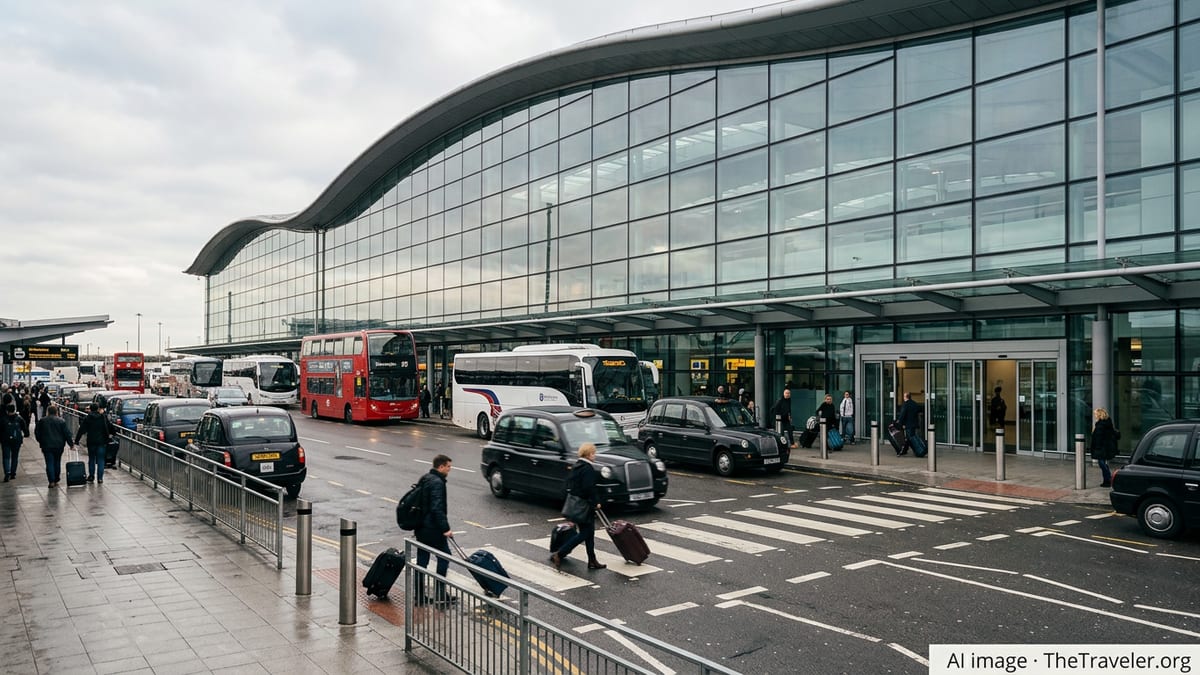
Understanding Heathrow’s Terminals and Layout
Heathrow currently operates four passenger terminals: Terminal 2, Terminal 3, Terminal 4 and Terminal 5. Terminal 1 is permanently closed and is being cleared to allow an eventual expansion of Terminal 2. Terminal 2, branded The Queen’s Terminal, handles many Star Alliance airlines, while Terminal 3 is home to a mix of long haul carriers including major transatlantic operators and some British Airways services. Terminal 4 is used by a range of SkyTeam and other international airlines, and Terminal 5 is the primary hub for British Airways and Iberia, with three satellite concourses serving both short haul and long haul flights.
On the ground, the airport is spread out along the northern and southern sides of its runways, so you should always double check which terminal your airline uses before you travel. For example, a traveler flying Lufthansa from New York to London and onward to Frankfurt will use Terminal 2 for both flights, whereas someone flying American Airlines from Dallas and connecting to British Airways for Rome may arrive at Terminal 3 and depart from Terminal 5. That difference affects everything from which train you take on arrival to where friends should meet you.
Heathrow provides free transfer options between terminals, but moving between them can still take 20 to 30 minutes door to door once you include walking and waiting times. Terminals 2 and 3 share a central area and are linked by an underground walkway, so changing between them is usually the quickest. Transfers to Terminal 4 and Terminal 5 rely on a mix of shuttle trains and buses. When planning a self made connection using separate tickets, it is wise to allow at least three hours if you must change terminals and pass through immigration and security again.
Signage inside the airport is generally clear, with color coded routes for arrivals, departures, and flight connections. However, because of the size of each terminal building, you may still walk 10 to 15 minutes from check in to your gate. Many regular travelers build in a buffer of time specifically for this last walk, especially at Terminal 5 where long haul gates in satellite building C can require an additional transit on the dedicated underground shuttle.
Getting To and From Heathrow: Trains, Tubes, Taxis and Rideshares
Heathrow offers several distinct ways to reach central London, each with a different balance of cost and speed. The premium Heathrow Express rail service runs non stop between Heathrow Central (serving Terminals 2 and 3) and London Paddington, with some trains extended to Terminal 5. Journey time is around 15 minutes from the central station and just a few minutes longer from Terminal 5. Advance purchase fares can be significantly cheaper than walk up prices, so business travelers who know their schedules often book a specific departure to save money.
For most budget conscious visitors, the London Underground’s Piccadilly line is the most economical choice. It serves Terminals 2 and 3 from a shared station and has separate stations at Terminal 4 and Terminal 5. Typical journey time to central London stations such as Piccadilly Circus or Leicester Square is 45 to 60 minutes, depending on the time of day. A solo traveler using a contactless bank card or an Oyster card can expect to pay a daily capped fare that is often less than the cost of a single hotel airport shuttle in other cities, making it a practical option for backpackers and city break tourists.
Traditional black cabs and pre booked minicabs line up outside each arrivals hall. A metered taxi into central London can take anywhere from 35 minutes in light traffic to well over an hour in rush hour or during incidents on the M4 and A4 corridors. Many drivers quote typical central zone fares that fall within a broad band, and families or small groups with multiple suitcases often find a single taxi compares favorably to several individual train tickets, particularly if their accommodation is not near a rail station. Rideshare services also operate from dedicated pickup points in the short stay car parks.
For travelers heading beyond London, coaches from Heathrow’s Central Bus Station and from Terminal 5 connect directly to cities such as Oxford, Bristol and Cardiff. Someone arriving on an early morning long haul flight from Asia can board a coach within the airport and continue straight to university towns or regional business hubs without going into central London at all. Intercity coach tickets are often significantly cheaper than rail, but journey times can be longer, so they suit budget travelers and those with less time pressure.
Check In, Security and New Screening Technology
Most major airlines at Heathrow now encourage travelers to check in online or via their mobile apps before arriving at the airport. In practice, this means many passengers arrive with a digital boarding pass already downloaded and only need to drop their checked baggage at an automated kiosk or manned desk. At peak morning and evening periods, check in lines for popular long haul flights can still build, so arriving at least two hours before short haul departures and around three hours before long haul remains a sensible rule of thumb, especially for families or travelers needing special assistance.
Across several terminals Heathrow has been rolling out next generation CT security scanners, particularly at international checkpoints. These machines produce detailed 3D images, and where in full use they can allow passengers to keep laptops and large electronics inside their bags and often to leave approved liquids packed as well. The exact rules can still vary between lanes and terminals while the rollout continues, so travelers should watch for on screen instructions and staff announcements rather than assuming a single rule always applies. Business travelers who pass through the same terminal each week report that queues have generally become smoother where the new scanners are active.
Security wait times fluctuate significantly by time of day, day of week and terminal. Early morning bank departures, often between 6 and 9 a.m., and late afternoon long haul waves typically create the longest queues. As a practical example, passengers catching an 8 a.m. flight from Terminal 5 to Madrid on a Monday often find the security area busy with both short haul and long haul customers. Some choose to pay for fast track security where their airline or ticket does not include it, especially if they value time for breakfast or a shower in a lounge before boarding.
Once past security, Heathrow’s airside areas feel more like upscale shopping centers, but it is still important to keep an eye on boarding times. Many gates, particularly at Terminal 3 and Terminal 5, open 45 to 60 minutes before departure for larger aircraft, and boarding groups may be called in strict order. Passengers who leave security with only 30 minutes to spare and then sit for too long at a distant café sometimes find they must hurry to the gate when the screens finally display it, since Heathrow routinely uses remote bus gates as well as jet bridges.
Lounges, Dining and Shopping Across the Terminals
Heathrow is well known for its large selection of lounges, from flagship airline spaces to pay per use options. In Terminal 5, British Airways operates several Galleries lounges and the more exclusive First and Concorde branded areas for premium customers and elite frequent flyers. Terminals 2, 3 and 4 host lounges run by airlines such as United, Lufthansa, Qatar Airways and others, as well as independent brands that sell day passes. Prices for pay in access generally start from a moderate range per person for a three hour stay, with amenities including hot meals, self service bars, showers and quiet workspaces.
Travelers who do not qualify for airline lounge entry often use membership programs or premium credit cards to gain access. For example, a traveler flying economy from Heathrow to Dubai might use a lounge in Terminal 3 through a lounge membership, enjoying a light buffet, decent coffee and Wi Fi while avoiding the crowds in the main seating areas. For many, the cost of a single lounge visit feels justified on longer layovers where they can shower and relax between overnight flights.
Dining options at Heathrow’s terminals range from quick grab and go coffee bars to sit down restaurants. Terminal 2 features a mix of international chains and British themed eateries where travelers can sample a full English breakfast before a morning departure. Terminal 5’s central concourse includes popular high street names serving pastries, sandwiches and hot meals, as well as bars with runway views that are particularly busy during late afternoon transatlantic waves. Vegetarian, vegan and gluten free options are more widely available than in the past, although travelers with very specific dietary needs should still consider bringing some backup snacks.
Shopping is a major part of the Heathrow experience. Duty free stores sell cosmetics, fragrances, spirits and confectionery, while fashion boutiques and watch retailers line the concourses. Many business travelers budget extra time to purchase last minute gifts such as British chocolates, tea tins or branded souvenirs. However, prices are not always lower than in central London, so experienced travelers sometimes compare products they know well, choosing items like travel exclusive chocolate boxes or whisky gift sets where the value feels more obvious.
Families, Accessibility and Special Assistance
Heathrow has steadily improved its facilities for families traveling with children. Most terminals provide dedicated family lanes at security during busy holiday periods, which can ease the stress of folding strollers and organizing liquids and electronics. Airside, parents can find baby changing rooms near many restroom blocks, and some terminals include small play areas where young children can expend energy before boarding. In practice, many families still choose to let children walk the concourses, pointing out aircraft and airport vehicles through the large windows as an easy distraction.
For parents needing equipment such as car seats or strollers at the aircraft door, airlines operating at Heathrow typically allow gate checking and return equipment either at the door on arrival or at the baggage belt, depending on policies and local rules. It is wise to clarify this at check in, since a family connecting through Heathrow from, for example, Edinburgh to Orlando might have different arrangements at each stage. Families arriving early at Terminal 5 often choose to have a relaxed breakfast at one of the many cafés near the central seating area, then move to their gate only once it appears on the screens, reducing walking for smaller children.
Accessibility for travelers with reduced mobility is an established focus at Heathrow. All terminals are equipped with step free routes, lifts and ramps, and there are dedicated assistance desks in the check in halls. Passengers who require wheelchair assistance or help navigating the terminal should request this through their airline at least 48 hours before travel. In day to day practice, this often means meeting an assistance agent at a clearly marked point in the departure hall, who then escorts the traveler through security and to the gate using lifts and priority routes. Many frequent flyers who use these services report that experience can vary by time of day, so allowing extra time remains a sensible precaution.
Hidden disability programs are also in place. Travelers with non visible conditions, such as autism or anxiety disorders, can request identifiers like sunflower lanyards to signal that they may need more time or clearer instructions. For example, a passenger who finds busy security lanes overwhelming might wear such a lanyard and quietly explain their situation to staff, who can then allow a slightly slower pace through the process or direct them to a quieter lane where available.
Connections, Irregular Operations and Staying Flexible
Many travelers use Heathrow as a connecting hub, transferring between flights on different airlines or alliances. When both flights are on the same ticket and baggage is checked through, passengers typically follow the purple Flight Connections signs after disembarking. This process involves security screening and, for some itineraries, immigration checks. A typical protected connection within the same terminal can be achieved in 60 to 90 minutes, but airlines often build longer official minimum connection times into multi terminal itineraries to allow for transport between buildings and potential queues.
Self connecting passengers, who buy separate tickets on different airlines, face more risk and should plan more conservatively. For example, someone arriving at Terminal 4 from Doha on one ticket and then flying onward from Terminal 3 to New York on another should allow enough time to clear immigration, collect bags, transfer between terminals, check in again and pass security. Many experienced travelers in such situations schedule 4 to 5 hours between flights, treating Heathrow as a planned layover where they can have a meal, shower in a paid lounge or even take a short walk around the landside areas.
Like any major hub, Heathrow can experience disruptions, whether from weather, air traffic control restrictions or external events such as regional airspace closures. When irregular operations occur, departure boards and airline apps become essential tools. Passengers are usually advised to stay close to their departure terminal and monitor rebooking options through official airline channels rather than joining long lines at the first customer service desk they see. Travelers with flexible tickets or elite status may have more rerouting choices, but even those on the cheapest fares can often secure alternative flights if they respond promptly to notifications.
Hotels around Heathrow range from modest budget properties clustered along the Bath Road to full service brands directly connected to some terminals. During severe disruptions, these hotels can fill quickly with displaced passengers and airline crews, so booking a room through the airline or independently as soon as delay length becomes clear can be a wise step. Many travelers caught by overnight delays choose properties connected by covered walkways or short shuttle rides so they can return early the next morning without relying on rush hour traffic.
The Takeaway
Flying through London Heathrow in 2026 can feel daunting at first glance, but a little preparation turns this vast hub into a manageable and even enjoyable part of your journey. Understanding which terminal you are using, how you will get to and from the airport, and what to expect from check in, security and connections removes much of the uncertainty. Building in realistic time buffers for transfers, security queues and the long walks between check in and gate gives you room to handle small surprises calmly.
Think practically about your own priorities. Business travelers may value the Heathrow Express and lounge access that allows them to work or rest right up until boarding. Families might favor direct Underground access to their hotel and kid friendly restaurants in the terminal. Long haul leisure travelers often build a lounge visit or a relaxed meal into their itinerary so they arrive at the aircraft rested rather than rushed. Whatever your travel style, Heathrow offers enough options that, with a clear plan and a flexible mindset, your time at the airport can support rather than overshadow the trip itself.
FAQ
Q1. How early should I arrive at Heathrow before my flight?
For most travelers, around two hours before short haul flights and three hours before long haul flights works well, with extra time during peak holiday periods or if you need special assistance.
Q2. Which terminal does my airline use at Heathrow?
Airline terminal assignments vary, so always check your booking or boarding pass. Many Star Alliance carriers use Terminal 2, several long haul airlines use Terminals 3 and 4, and British Airways and Iberia primarily use Terminal 5.
Q3. What is the fastest way to reach central London from Heathrow?
The fastest public transport option is the non stop airport rail link to London Paddington, which typically takes about 15 minutes from the central station and slightly longer from Terminal 5.
Q4. Is the London Underground a good option from Heathrow?
Yes, the Piccadilly line is usually the best value choice, with direct trains from Heathrow’s three Underground stations to central London. Journeys normally take 45 to 60 minutes.
Q5. Can I walk between Heathrow terminals?
Terminals 2 and 3 are connected by an underground walkway and can be reached on foot. Transfers to Terminals 4 and 5 require shuttle trains or buses, though these are free within the airport.
Q6. Do I still have to remove liquids and laptops at Heathrow security?
Heathrow is rolling out advanced CT scanners that may allow liquids and laptops to stay in bags at some checkpoints, but rules can differ by lane and terminal, so follow staff instructions on the day.
Q7. Are there pay per use lounges at Heathrow?
Yes, in addition to airline lounges, several independent lounges across the terminals sell day passes, typically including food, drinks, Wi Fi and sometimes showers for a fixed entry fee.
Q8. What should I do if my connecting flight at Heathrow is delayed or cancelled?
Monitor your airline app and airport screens, follow staff announcements and contact your airline through official channels. If you booked flights on one ticket, the airline usually rebooks you on the next available option.
Q9. Is Heathrow suitable for passengers with reduced mobility or hidden disabilities?
Heathrow offers step free access, assistance services and recognition programs for hidden disabilities. Request help through your airline at least 48 hours before travel so arrangements are ready when you arrive.
Q10. Are there hotels close to Heathrow terminals?
Yes, there are several on site and nearby hotels, from budget to full service properties, some connected by covered walkways and others reached by short shuttle or bus rides.