


More news on this day
Travel across Northern Europe faced widespread disruption on Sunday as passengers at Oslo Airport reported being stranded amid more than 170 delayed departures and a handful of cancellations affecting flights operated by SAS, Norwegian, Lufthansa and KLM to major hubs including London, Frankfurt, Amsterdam and Helsinki.
Get the latest news straight to your inbox!
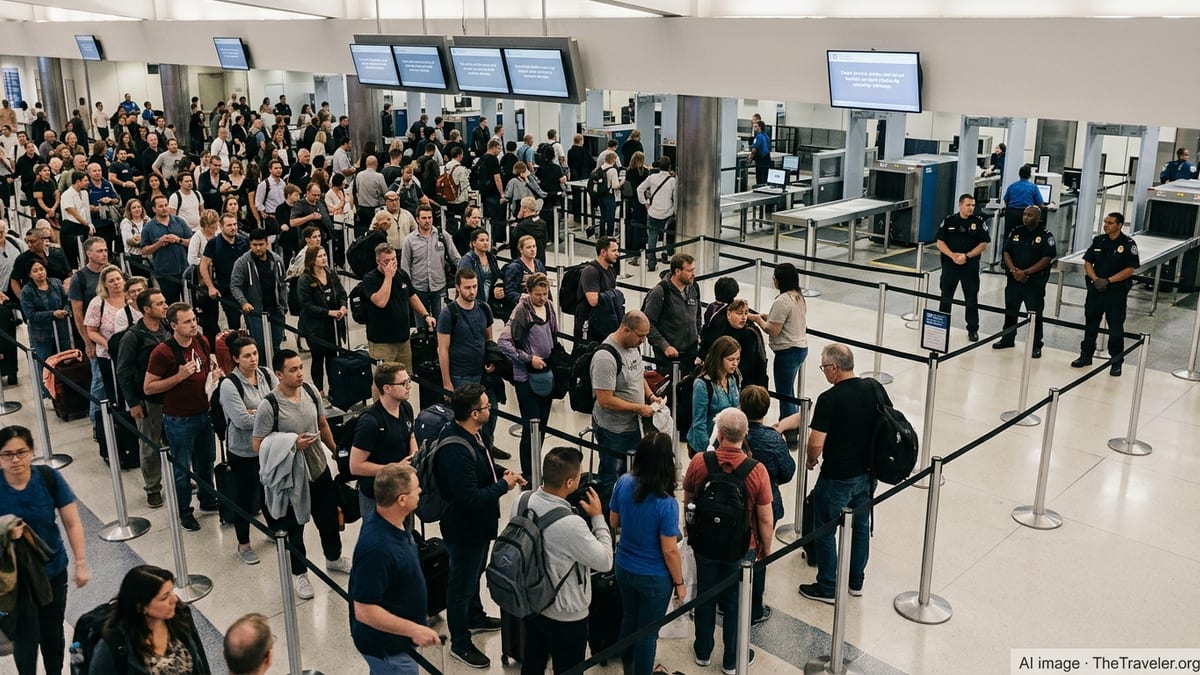
Knock-on Delays Strand Passengers in Oslo and Beyond
Publicly available flight monitoring data for Sunday indicated a sharp build up of delayed movements at Oslo Airport, with around 173 departures and arrivals reportedly running behind schedule and at least seven services cancelled on key European routes. The disruption involved a mix of Scandinavian and international carriers, prominently SAS, Norwegian, Lufthansa and KLM, on services linking the Norwegian capital with London, Frankfurt, Amsterdam, Helsinki and several secondary cities.
The irregular operations left many travelers facing extended waits at departure gates and service desks as airlines worked through backlogs. Reports from passenger tracking platforms and social media posts described queues forming for rebooking help and meal vouchers, alongside missed connections at onward hubs. With Oslo acting as a crucial transfer point for Nordic and transatlantic itineraries, even relatively small numbers of cancellations produced wider ripple effects across the network.
Airline-specific data for individual flights showed delays ranging from minor schedule slips of 30 to 40 minutes to multi hour holds that pushed departures into later waves of traffic. Once aircraft and crews fell out of rotation, reactionary delays spread to return sectors, further complicating efforts to return operations to normal through the afternoon and evening.
Key Hubs Affected: London, Frankfurt, Amsterdam and Helsinki
The impact of the Oslo disruption was magnified by its focus on major European hubs. Flights to London fed into crowded schedules at airports that already handle some of the densest traffic in Europe, meaning delayed arrivals risked missed onward connections to North America and other long haul destinations.
Frankfurt, one of Lufthansa’s primary transfer centers, also saw knock on consequences as late incoming flights from Oslo clashed with tightly timed banks of departures. Passengers arriving late into Germany reported facing narrower options to rebook same day journeys when connecting flights were already heavily booked at the start of the summer travel period.
Amsterdam, served heavily by KLM as a global hub, experienced similar challenges. Late Oslo arrivals compressed connection windows, particularly for travelers bound for Mediterranean leisure destinations and long haul routes to Asia and North America. Meanwhile, services between Oslo and Helsinki, important for regional business and leisure traffic, experienced disruption that reverberated across the wider Nordic network.
Mixed Causes: Weather, Airspace Constraints and Operational Strain
While a single overriding cause was not immediately clear, publicly accessible data and recent regional coverage point to a combination of factors commonly affecting European aviation at this time of year. Weather related constraints can quickly slow departures and arrivals when thunderstorms or low visibility affect multiple hubs, while air traffic control restrictions in congested airspace can force airlines to accept longer routings and flow restrictions.
Recent reporting on European operations has also highlighted lingering staffing pressures at airlines, ground handling firms and air navigation providers. These constraints mean that even routine schedule disruptions can be harder to absorb, as spare crews and aircraft are less readily available. When multiple carriers operate near capacity, a delay in one part of the system can cascade rapidly across shared hubs.
Aviation analysts frequently note that once the number of late running flights at a major airport crosses a certain threshold, on time performance tends to deteriorate across the day. The pattern visible in Sunday’s Oslo data, with delays accumulating and then spreading to subsequent rotations, aligns with that broader experience across European airports during peak travel seasons.
Passenger Experience: Long Queues, Missed Connections and Rebookings
Accounts posted on travel forums and social platforms described passengers at Oslo contending with long lines at airline desks as they sought rebookings, hotel accommodation and meal vouchers. Travelers with onward flights via London, Frankfurt and Amsterdam highlighted particular difficulties where missed connections were involved, especially on itineraries combining multiple carriers.
Some passengers reported being shifted onto partner airlines or rerouted through alternative hubs as carriers attempted to clear backlogs. Others faced overnight stays or arrival at their final destination many hours later than planned. With the disruption affecting a broad set of routes, seat availability on alternative services tightened quickly, limiting immediate rebooking options for families and larger groups.
Under European passenger rights regulations, travelers on affected flights may be entitled to assistance such as refreshments, accommodation and transportation between airport and hotel, depending on delay length and circumstances. Compensation for long delays or cancellations can also apply in some scenarios, although eligibility can vary by cause of disruption and specific operating carrier.
What Travelers Can Do During Widespread Disruptions
Consumer advocates typically recommend that during events such as Sunday’s Oslo disruption, passengers monitor their flight status proactively through airline apps and airport information boards and keep boarding passes, booking confirmations and receipts for any extra expenses. These documents are often required later when submitting claims or requesting reimbursements.
Travel experts also suggest that affected passengers familiarize themselves with applicable European air passenger regulations and the specific policies of their airline regarding rebooking and compensation. Many carriers provide online forms for delay and cancellation claims, and independent passenger rights organizations publish step by step guidance to help travelers understand what support they can reasonably request.
With the summer travel period under way and European aviation systems under continued strain, Sunday’s events at Oslo Airport serve as a reminder of how rapidly isolated delays can evolve into wider gridlock across multiple hubs. For travelers planning journeys through Scandinavia and the wider region, building extra time into itineraries and considering flexible ticket options may help reduce the impact of similar disruptions in the weeks ahead.