


More news on this day
Hong Kong’s tourism revival is facing a sharp reality check, with overall visitor spending reported to be 44 percent below 2018 levels even as arrivals climb back toward pre-pandemic numbers and officials pivot to new events and closer links with mainland China to keep travelers in the city for longer stays.
Get the latest news straight to your inbox!
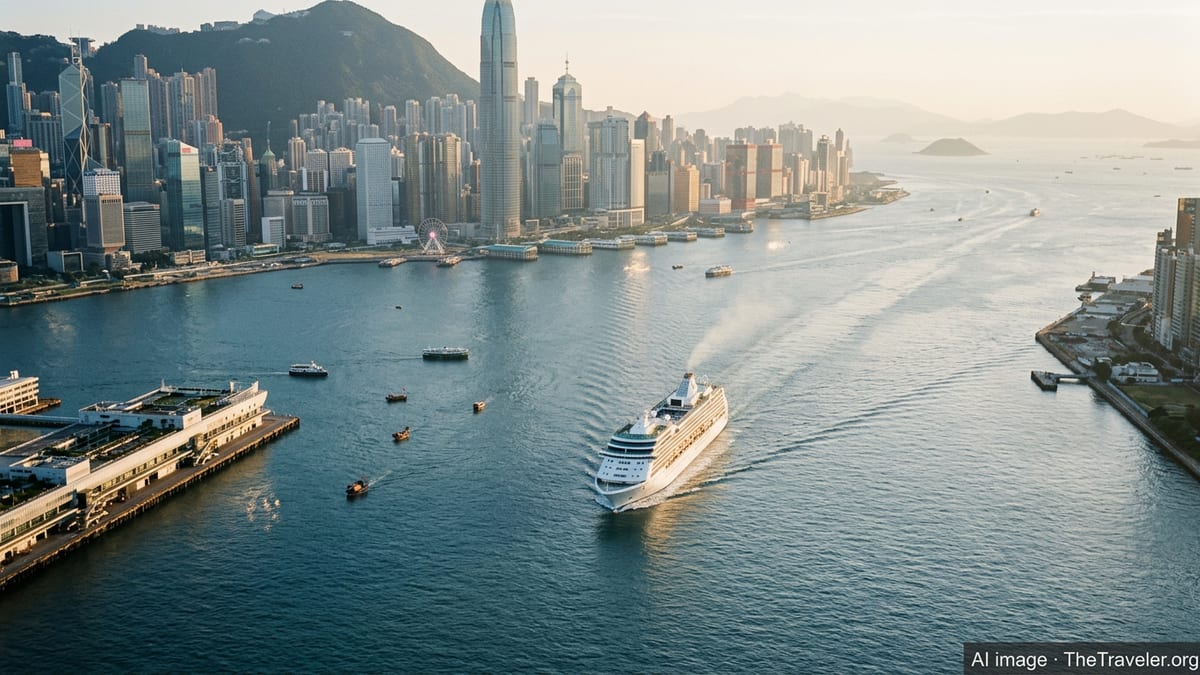
Visitor Numbers Recover, but Wallets Stay Shut
Recent data from the Hong Kong Tourism Board shows that the city welcomed around 44.5 million visitors in 2024, approaching roughly four-fifths of the 2019 level. Publicly available figures indicate that about half of these visitors now stay overnight, a marked improvement from the immediate post-pandemic period when same-day trippers dominated.
Yet the rise in arrivals has not translated into a similar rebound in spending. According to widely cited industry figures, total visitor expenditure in 2024 was around HK$197.5 billion, representing a decline of about 44 percent compared with 2018. Market commentary notes that many tourists, particularly from mainland China, are keeping tighter control of their budgets, favoring lower-cost activities or quick cross-border shopping trips.
Retail and hospitality operators report that while foot traffic has improved, average transaction values remain subdued. Analysts point to a combination of factors, including a weaker Chinese economy, currency effects, and changing consumer behavior, with more visitors comparing prices digitally and shifting purchases online rather than in Hong Kong’s traditional shopping districts.
The result is a tourism landscape that looks busy on paper but delivers thinner margins for businesses on the ground, sharpening the focus on strategies that can convert higher headcounts into higher per-capita spending.
Shift From High-Spend Shoppers to Value-Seeking Visitors
Before the pandemic, Hong Kong’s tourism model relied heavily on high-spending mainland visitors, many drawn by tax-free luxury retail, cosmetics, and premium dining. Publicly available research indicates that this segment has not yet fully returned, and those who do visit appear more cost-conscious than in previous years.
Cross-border competition has intensified as neighboring mainland cities promote shopping, dining, and entertainment at lower price points. Commentary from business groups and local media coverage suggests that some mainland tourists now choose to stay in Shenzhen hotels and make short day trips into Hong Kong, limiting their on-the-ground spending on accommodation and nightlife.
At the same time, Hong Kong has seen a gradual rise in regional and long-haul travelers who are more interested in culture, outdoors, and experiences than bulk shopping. These visitors may stay longer but spend differently, distributing their budgets across attractions, neighborhood dining, and mid-range hotels instead of luxury malls.
The evolving mix of visitors is forcing a rethink among retailers and tour operators that built their business models around the high-margin shopping trade. Industry analysis increasingly highlights the need to diversify beyond duty-free sales and to curate products and experiences that can justify Hong Kong’s comparatively high prices.
‘Mega Events’ Strategy Aims to Extend Length of Stay
In response to the spending shortfall, the Hong Kong government and tourism authorities have launched a broad “mega events” strategy, promoting an almost continuous calendar of concerts, sports tournaments, cultural festivals, and trade shows. Publicly available information indicates that hundreds of events have been scheduled or announced for 2024 and 2025, ranging from international music acts and arts festivals to large-scale exhibitions.
The aim is to encourage visitors to plan longer trips and to disperse activity beyond traditional shopping corridors. Events clustered around major holidays, such as Lunar New Year and Golden Week, are positioned as anchors that can fill hotel rooms, drive restaurant bookings, and increase demand for local transport and attractions.
However, execution risks have also come into focus. Local coverage has documented several high-profile cancellations and ticketing controversies, which have raised questions about whether the events push can consistently deliver on its promise. Organizers face challenges in securing venues, managing costs, and competing with regional hubs that are also investing heavily in destination events.
Despite these setbacks, tourism planners appear committed to the events-led approach, viewing it as a way to differentiate Hong Kong from nearby shopping cities and to showcase the city’s cultural and entertainment offerings to a wider audience.
Deeper Mainland Links and the ‘One-Hour Living Circle’
Another key pillar of the city’s strategy is tighter integration with mainland China through enhanced transport connections and relaxed travel arrangements. High-speed rail, expanded cross-border coach services, and additional bridges and road links have effectively put major Guangdong cities within what policymakers describe as a “one-hour living circle” of Hong Kong.
These links are designed to support two-way flows: encouraging mainland visitors to spend more time in Hong Kong, while also allowing local residents to access more affordable shopping and leisure options across the border. Public discussion increasingly acknowledges that the latter trend has become pronounced, with outbound trips from Hong Kong surging during holiday periods as residents seek better value in neighboring cities.
From a tourism revenue perspective, this integration is a double-edged sword. While improved access boosts visitor numbers and positions Hong Kong as a gateway to the Greater Bay Area, it also intensifies competition for spending. Commentators note that some visitors now treat Hong Kong as one stop in a multi-city itinerary, potentially diluting the amount they spend within the territory.
Authorities and industry stakeholders are therefore looking for ways to embed Hong Kong more firmly in regional tour packages and to promote cross-border itineraries that still allocate meaningful time and budgets to local attractions, dining, and accommodation.
Hotels, Restaurants and Retail Adjust to a New Normal
The uneven recovery in visitor spending is reshaping Hong Kong’s tourism-related sectors. Hotel occupancy rates have improved markedly compared with the pandemic period, supported by more overnight visitors and a return of business and convention travel. However, publicly available surveys suggest that average room rates have not fully recovered, and operators are using discounts and value-added packages to attract price-sensitive guests.
The food and beverage sector faces a more difficult environment. Industry associations have reported weaker-than-expected takings during some peak travel periods, particularly in districts that once relied on big-spending tour groups. Rising operating costs and stiff competition from venues across the border are pressuring margins, prompting some outlets to close or relocate.
Retailers, meanwhile, are experimenting with new formats, from experiential flagship stores to pop-up concepts that blend shopping with entertainment. There is growing emphasis on local brands, niche products, and lifestyle offerings aimed at both residents and visitors, rather than the previous focus on mass luxury and parallel traders.
Analysts generally view the current spending slump as part of a broader structural shift rather than a temporary dip. To restore tourism’s role as a key driver of Hong Kong’s economy, policymakers and businesses are being pushed to adapt to a more diversified, experience-led, and regionally integrated model in which headline arrival figures matter less than how long visitors stay and how deeply they engage with the city.