


More news on this day
Passengers traveling through Nashville International Airport on June 21 are facing significant disruption, with publicly available flight-tracking data indicating 206 delayed departures and arrivals and three cancellations affecting routes across the United States, Canada and Mexico.
Get the latest news straight to your inbox!
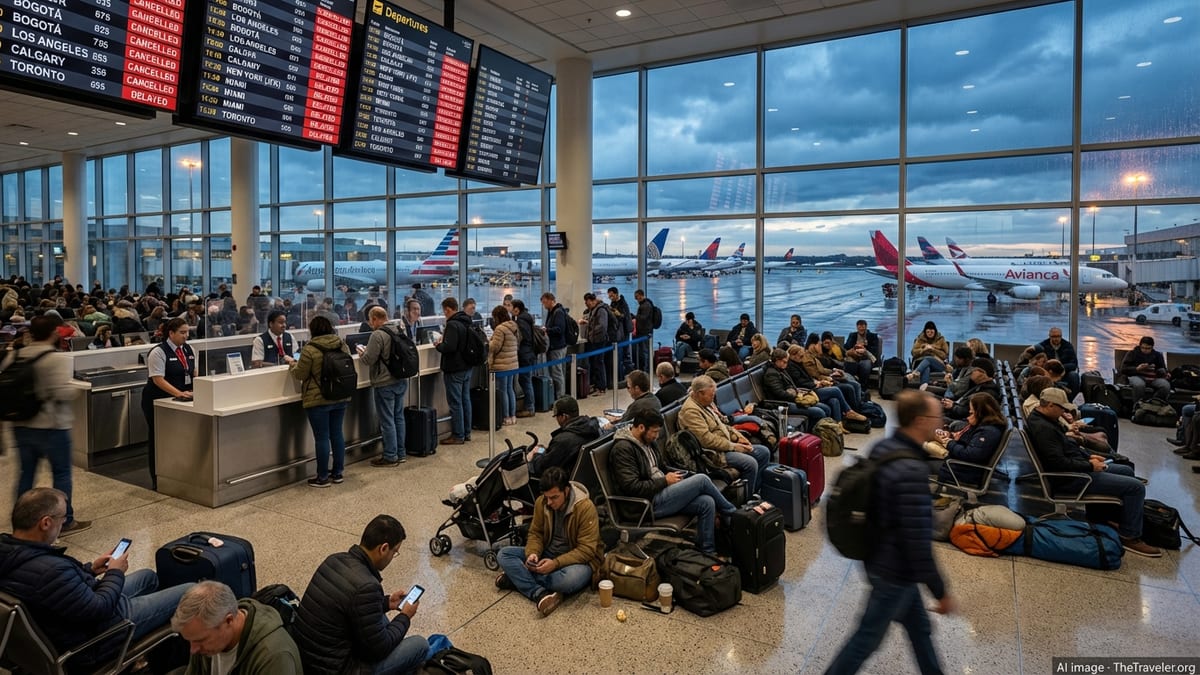
Wide Impact Across Major North American Carriers
The disruption at Nashville International Airport involves several large North American airlines, with flight status boards showing delays on services operated by Southwest Airlines, United Airlines, American Airlines, Air Canada and its regional partner Jazz, among others. These carriers connect Nashville with a dense network of domestic and cross-border routes, magnifying the effect on travelers heading to or from the United States, Canada and Mexico.
Publicly available schedules and status pages show late departures and arrivals on key hub connections for United Airlines and American Airlines, where delays can cascade through their networks. Southwest, which runs one of the largest domestic operations from Nashville, is also displaying multiple delayed flights, affecting point to point services favored by leisure and business travelers alike.
Air Canada and Jazz branded regional flights link Nashville with Canadian gateways used for onward connections into the country and to transatlantic destinations. Delays on these services are contributing to missed connections and extended layovers, particularly for passengers routing through major Canadian hubs before continuing to Mexico or other long haul destinations.
Low cost and regional operators that share codes or interline with these major airlines are also being affected indirectly, as tight connection windows are strained. Travelers on multi segment itineraries are reporting extended waits in terminals and rebookings onto later departures as airlines work within available capacity.
Operational Strain Translates to Long Waits for Passengers
The high number of delayed flights is translating into longer than usual waits at gates and in departure lounges throughout the Nashville terminal complex. According to live status boards, some services are facing rolling delays of an hour or more, pushing departures deeper into the day and compressing later evening operations.
Passengers with through tickets to Canadian and Mexican destinations are particularly vulnerable to missed onward flights where minimum connection times are tight. When inbound legs from Nashville depart late or arrive behind schedule, follow on flights from hubs such as Dallas, Houston, Chicago or Toronto become harder to make, increasing the likelihood of unplanned overnight stays or rerouting.
Airlines generally prioritize rebooking for passengers facing missed international connections, but the concentration of delays at a single origin point adds strain to call centers and customer service desks. Publicly available traveler accounts from recent disruption days at Nashville describe long lines for assistance, limited same day alternatives on peak routes, and competition for remaining hotel rooms near major hubs when overnight stays become necessary.
Families traveling at the beginning of the summer leisure period are feeling the disruption keenly, as tight holiday schedules leave little flexibility. Wedding parties, music fans headed to or from Nashville events, and business travelers aiming for meetings across North America are all contending with revised arrival times and rearranged plans.
Weather, Network Congestion and Knock On Effects
While a single technical incident can cause widespread disruption, the current pattern at Nashville appears to be tied to a mix of seasonal weather and broader network congestion across multiple hubs. Regional forecasts indicate episodes of low visibility and scattered storms in parts of Tennessee and neighboring states, conditions that can slow the rate at which flights are allowed to land and depart.
In addition, traffic management initiatives at other large airports are feeding delays back into the Nashville schedule. Ground delay programs or spacing restrictions at key hubs across the United States can cause aircraft and crews to arrive late into Nashville, leaving less time for turnarounds and pushing later departures off schedule.
Because Southwest, United, American, Air Canada and Jazz all operate complex networks with aircraft cycling through multiple cities each day, a delay early in the chain can lead to progressively later departures elsewhere. When these effects converge at a growing airport such as Nashville, the result can be the type of high delay count and cluster of cancellations being recorded today.
Operational data from previous months in the region shows that days with active thunderstorms or dense morning fog often correlate with sharper spikes in delays. On such days, air traffic controllers reduce arrival and departure rates to maintain safety margins, and airlines must adjust by holding flights, rerouting around storm cells, or in some cases canceling services where delays would later become unmanageable.
Guidance for Affected Travelers at Nashville
For travelers already at Nashville International Airport, publicly available guidance from airlines and aviation agencies consistently emphasizes checking flight status frequently on official channels rather than relying solely on early morning departure times printed on boarding passes. As rolling delays accumulate, departure and arrival estimates can change several times before a flight ultimately boards.
Passengers on itineraries involving connections to Canada or Mexico are advised in published travel guidance to pay particular attention to minimum connection times and border formalities. When an initial leg from Nashville is heavily delayed, some carriers allow same day changes at the airport or online without additional fees, especially when disruptions are widespread across their networks.
Travel industry advisories also suggest that passengers with flexible plans consider proactively moving to earlier or later flights when airlines make waivers available. While such measures cannot eliminate the disruption, they may reduce the risk of missed overnight connections or having to retrieve checked luggage during an unplanned hub stay.
Those yet to depart for the airport are encouraged by many published travel resources to allow extra time for check in, security and possible gate changes on days when delay counts are elevated. Crowded terminals and shifting gate assignments can make it harder to move quickly between concourses if an airline adjusts operations in response to changing weather or traffic conditions across North America.
Broader Pressure on a Rapidly Growing Hub
The current wave of delays comes as Nashville International Airport continues a period of strong growth in passenger numbers and airline service. Industry reports describe the airport as one of the faster growing mid sized hubs in the United States, driven by the city’s expanding tourism, convention and music industries.
Infrastructure projects and terminal expansions in recent years have aimed to accommodate this growth, but sharp spikes in traffic and weather related congestion can still expose bottlenecks. With more flights scheduled throughout the day and more connections offered by major carriers, irregular operations can ripple through the system more visibly than in past years.
Regional aviation observers note that North American air travel as a whole is experiencing a busy summer, with airlines operating close to capacity on many routes linking secondary hubs like Nashville with larger coastal and cross border gateways. On high demand days, this leaves less spare aircraft and crew availability to absorb unexpected disruptions.
As operations stabilize, publicly available performance data in coming days will indicate how quickly airlines are able to clear the backlog created by today’s 206 delays and three cancellations. For now, travelers using Nashville to reach destinations in the United States, Canada and Mexico should be prepared for extended journey times and remain alert to changing flight information.