

More news on this day
As safari lodges across Southern Africa gear up for an influx of visitors this April, health authorities and tour operators are urging travelers to put malaria awareness at the top of their packing lists, warning that complacency about the mosquito-borne disease can still turn a dream wildlife trip into a medical emergency.
Get the latest news straight to your inbox!
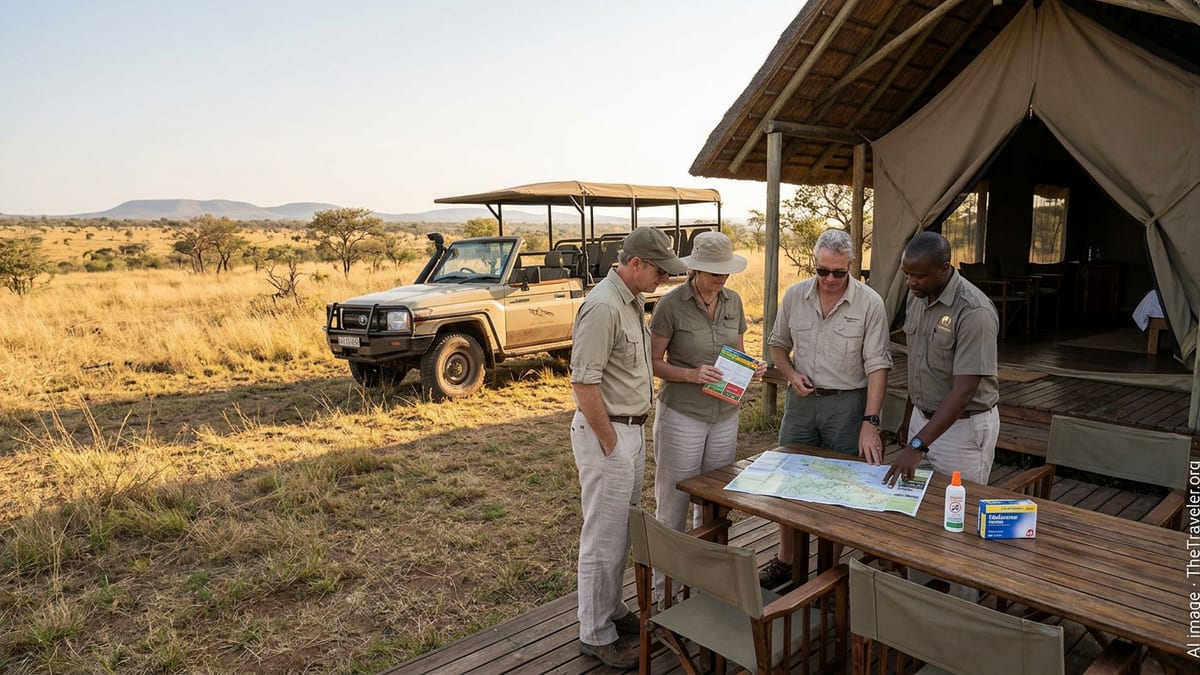
Shifting Malaria Patterns as Safari Season Builds
April sits at a climatic turning point across much of Southern Africa, with the peak summer rains receding in many safari regions but warm temperatures and standing water still sustaining mosquito populations. Public health agencies in South Africa and neighboring countries report that malaria transmission typically rises through the late summer and early autumn months, coinciding with Easter and early dry-season travel.
In South Africa, transmission remains highly regional, concentrated along low-lying borders with Mozambique and Zimbabwe, including popular safari gateways for Kruger National Park and adjacent private reserves. Further north, in Botswana, Namibia and Zimbabwe, risk persists in many low-altitude areas through April, particularly around wetlands, river systems and floodplains that attract both wildlife and mosquitoes.
These regional differences mean two couples on safari in April could face very different risk profiles, depending on whether they are tracking big cats in a malaria-free reserve in the Karoo or birdwatching near the Zambezi. Health professionals stress that travelers should avoid assuming that “Southern Africa” has a single malaria status and instead check the specific parks and provinces on their itineraries.
Tour operators say that conversations about malaria have intensified again in recent seasons, as more travelers prioritize immersive wilderness stays in tented camps, night drives and bush walks, all activities that bring visitors outdoors during peak mosquito biting hours around dusk and dawn.
Travel Advisories Urge Itinerary-Based Medical Advice
Updated guidance from international health agencies and national travel advisories emphasizes that malaria decisions in Southern Africa must be itinerary-specific rather than countrywide. Official advice for South Africa, for example, distinguishes between urban centers like Cape Town or Johannesburg, where there is no malaria risk, and defined high-risk districts along the northeastern borders where chemoprophylaxis is recommended for most travelers.
Similar patterns apply across the region: many of Botswana’s premier Okavango Delta and Chobe safaris, northern Namibia’s riverine parks, large parts of Zimbabwe, and virtually all of Mozambique’s coastal and inland safari zones are treated as malaria areas for most of the year. By contrast, a growing number of private reserves in South Africa’s Eastern and Western Cape, and some high-altitude parks elsewhere, market themselves as malaria-free alternatives for families with young children, pregnant travelers or visitors who cannot tolerate antimalarial drugs.
Health experts advise visitors from North America and Europe to consult a travel-medicine clinic four to six weeks before departure, bringing a detailed route that lists each reserve, nearby towns and expected dates. This allows clinicians to tailor recommendations on antimalarial drugs, insect-bite precautions and vaccines, and to weigh factors such as trip length, underlying medical conditions and planned activities.
Safari specialists note that while online forums can be useful for trip planning, they are no substitute for professional medical advice. A camp that felt “mosquito-free” to a previous traveler on a cool, dry week in May can still sit within a documented transmission zone in April after late rains.
Preventive Medication and Bite Avoidance Work Together
Doctors stress that malaria on safari is best approached as a layered-defense issue, rather than a single decision about tablets. For travelers heading into recognized malaria zones in April, widely used prophylactic options such as atovaquone-proguanil, doxycycline or mefloquine may be prescribed, each with its own dosing schedule, side-effect profile and contraindications.
However, medication is only one part of the picture. Even in areas where the assessed risk is low or where a clinician judges that tablets are not essential, rigorous mosquito avoidance remains a cornerstone of advice. That includes using insect repellent with an appropriate concentration of active ingredients such as DEET or picaridin on exposed skin, especially in the evenings and early mornings.
Safari lodges across Southern Africa increasingly integrate mosquito control into the guest experience, from providing treated bed nets and screening on windows to offering turndown services that include spraying rooms before nightfall. Many camps also encourage guests to wear long sleeves, long trousers and closed shoes after dark, ideally in neutral colors that are comfortable in warm temperatures and less likely to attract insects.
Travel medicine specialists caution that no method is completely protective. They urge travelers to continue recommended prophylaxis for the full period before, during and after time in malaria areas, as prescribed, and to remain alert to flu-like symptoms for several weeks after returning home, seeking urgent testing if they develop fever.
World Malaria Day Adds Focus During Peak Travel Month
April’s status as a key safari month in Southern Africa coincides with World Malaria Day on 25 April, an annual observance that spotlights both the ongoing disease burden and progress in control measures. Regional reports from health agencies in the Southern African Development Community in recent years have underlined that, despite advances, millions of residents still live in endemic districts and seasonal surges in cases continue to strain rural health systems.
For international visitors, World Malaria Day serves as a reminder that the disease is not a historical threat but an active public health challenge in many wildlife destinations. Conservation organizations and lodge groups have increasingly used the date to highlight their support for local mosquito-control initiatives, community distribution of insecticide-treated nets and education campaigns in villages surrounding protected areas.
Some safari operators report that guests are now asking more questions about how their tourism dollars support health programs as well as conservation, and are keen to understand whether staff and their families have access to malaria prevention tools. This has led to partnerships with health-focused non-profits and district clinics in several cross-border safari circuits linking South Africa, Mozambique, Zimbabwe, Botswana and Namibia.
For travelers, the overlap between peak safari travel and World Malaria Day can be a prompt to read the latest advisories before boarding a flight, rather than relying on outdated assumptions about which parks are considered “safe” from the disease.
Balancing Safari Dreams With Responsible Risk Management
Despite the persistent risk, health agencies and tour operators stress that malaria should not deter well-prepared travelers from visiting Southern Africa’s celebrated parks in April. Instead, they frame it as a manageable hazard, comparable to other adventure travel risks, provided visitors take expert advice seriously and follow through with prevention measures on the ground.
Families with young children, older travelers, pregnant visitors and people with chronic health conditions are encouraged to weigh the benefits of malaria-free reserves or lower-risk regions, especially if they are nervous about medication side effects. Safari planners say the growth of high-quality, non-malarial wildlife destinations within South Africa has made it easier to design trips that match both medical needs and photographic ambitions.
For those heading into classic Big Five areas where malaria is present, April offers appealing conditions, with thinning vegetation, pleasant daytime temperatures and fewer crowds than in midwinter. Health professionals say the key is to make malaria part of early planning, not a last-minute worry at the pharmacy on the way to the airport.
With flight bookings into Southern Africa’s hubs climbing ahead of the April holidays, clinics and safari operators alike are using newsletters, pre-departure briefings and social media to reiterate a simple message to would-be visitors: a safe safari starts with understanding where malaria fits into your itinerary, and taking it seriously long before you hear the first nighttime chorus of frogs and insects in the bush.