

More news on this day
Travel demand across the Mediterranean is building fast for May, and Malta is muscling into the same sunshine-and-culture spotlight long dominated by Greece, Portugal, Italy, Turkey and Spain, with new campaigns, festivals and record tourism figures positioning the islands as a serious contender for early-summer escapes.
Get the latest news straight to your inbox!
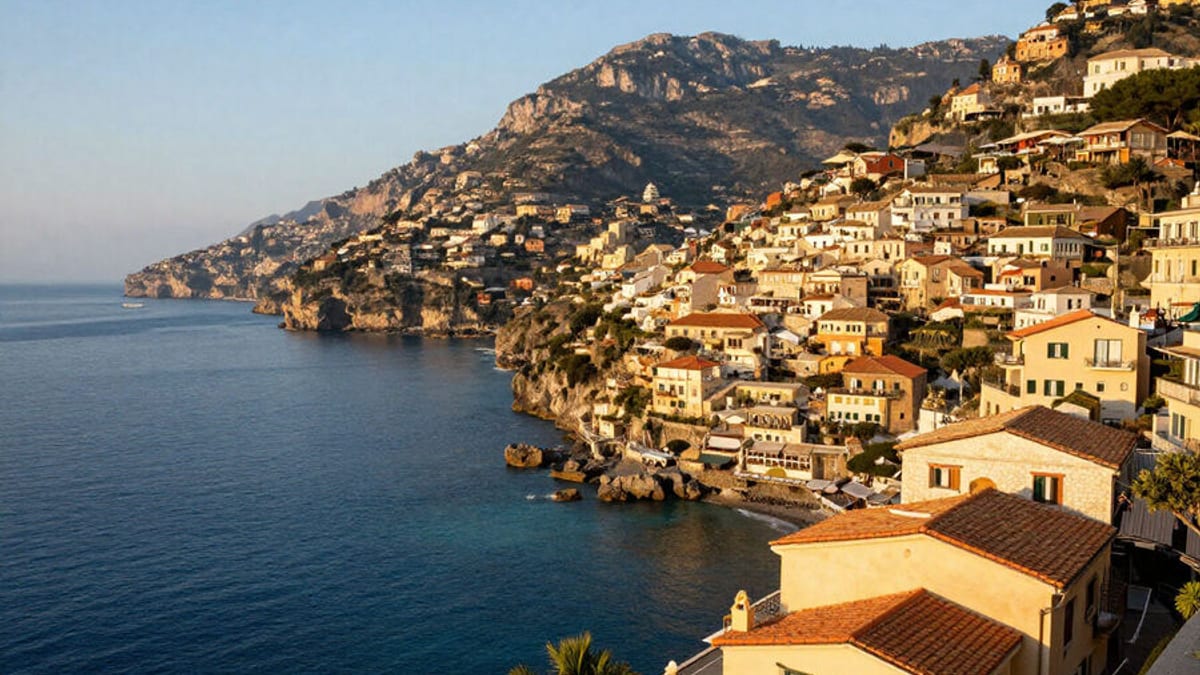
Image by Latest International / Global Travel News, Breaking World Travel News
Malta’s Big Mediterranean Moment
Publicly available figures from Malta’s tourism authorities show the country closed 2025 with around four million visitors and record tourism spending, outpacing many larger European rivals in growth terms and moving firmly into the top tier of Mediterranean performers for 2026. The latest government updates describe a strategy built around higher-value, year-round travel rather than a short peak season, which is already feeding into stronger bookings for shoulder months such as May.
That push is being matched by fresh marketing activity. A new wave of campaigns from the Malta Tourism Authority and international partners is promoting the islands as a compact alternative to the region’s giants, spotlighting short transfer times, English-speaking locals and a mix of Baroque streetscapes and clear-water bays. Recent trade coverage highlights joint initiatives with major online travel platforms in the Middle East and North Africa that present Malta as a culturally rich coastal escape, suggesting a broader geographic spread of visitors this spring.
Industry analysis indicates that Malta’s growth is not coming at the expense of its better-known neighbors. Spain, Italy, Greece, Portugal and Turkey continue to report strong tourism receipts and steady increases in visitor numbers, but many travelers are now pairing those destinations with newer stops, including Malta, to build multi-country itineraries around the Mediterranean. For May, that translates into a pattern of trips that might combine Valletta and Gozo with Madrid, Lisbon, Athens, Rome or Istanbul.
This region-wide momentum follows several buoyant seasons in southern Europe and renewed confidence in international travel. Airlines are maintaining or increasing capacity into key hubs such as Rome, Athens, Lisbon, Istanbul, Barcelona and Valletta, while cruise lines are expanding Eastern and Central Mediterranean sailings that call at multiple ports across these countries. Analysts expect that combination of air and sea connectivity to keep Mediterranean itineraries high on wish lists for May city breaks and coastal holidays.
Sunshine, Seasons and How May Is Shaping Up
Climatological data for recent years shows that May has become one of the most attractive months to visit the central and eastern Mediterranean, often delivering long, sunny days without the intense heat and crowds that define high summer. In Malta, average daytime temperatures typically sit in the low to mid-twenties Celsius, with sea temperatures edging towards comfortable swimming levels, especially in sheltered bays. Similar patterns are reported in coastal Greece, southern Italy and much of Spain and Portugal, creating broadly comparable conditions across the region.
At the same time, the rapid warming trend seen in parts of southern Europe means travelers are increasingly attentive to early-season weather swings. Published climate reports recall that countries including Spain and Portugal have already experienced unusually early heatwaves in late May in recent years, occasionally bringing temperatures more usually associated with July or August. Travel advisers now stress the value of flexible packing, shade and hydration plans, even outside peak summer, particularly for inland city stays and hiking trips.
For those looking to chase the sun without stifling heat, May still offers a generally comfortable window, with long daylight hours for sightseeing from Valletta’s fortified bastions to the hilltops of Lisbon, Naples and Athens. Coastal breezes in destinations such as Malta, the Greek islands and Turkey’s Aegean resorts often moderate the feel of the day, while evenings in many areas remain mild enough for outdoor dining. As always, local microclimates matter: Malta’s compact scale and low elevation contribute to relatively stable conditions, while mountainous or inland regions elsewhere can see much greater variation.
Travel planners also point to value as a major incentive for May travel. Hotel rates in cities such as Valletta, Barcelona, Istanbul and Porto are generally below peak summer pricing, and availability is typically wider than in July and August, particularly for boutique properties and agritourism stays. Airfares on shoulder-season dates can be more competitive as carriers seek to smooth demand either side of school holidays, though popular Friday and weekend departures are already showing signs of tightening as spring progresses.
Urban Culture, Island Escapes and May Events
Malta is leaning heavily on its cultural calendar to stand out this spring. Coverage of upcoming events highlights the Malta Biennale, a multi-venue contemporary art program scheduled to run into late May and designed to thread installations through historic sites, palaces and outdoor spaces. Alongside the biennale, Valletta’s long-established spring performing arts and classical music events continue to anchor the season, giving culture-focused visitors a reason to visit before the full heat and bustle of summer.
Across the wider region, May has become prime time for festivals and open-air programming. In Greece and Italy, heritage sites and archaeological parks begin to host more frequent concerts and theatre performances as conditions warm, while Portugal and Spain ramp up city festivals, food fairs and neighborhood celebrations. Turkey’s cultural hubs, including Istanbul and coastal cities along the Aegean and Mediterranean, roll out film, music and design events that often serve as soft openings for their busier summer schedules.
Island destinations remain central to this Mediterranean story. Malta and Gozo, the Greek Cyclades and Dodecanese, Italy’s Sicily and smaller offshore islands, Spain’s Balearic archipelago and Portugal’s Atlantic outposts report solid interest from travelers seeking quieter coastal experiences before schools break up. Tourism boards across these countries are increasingly promoting hiking, cycling and rural gastronomy in May, framing the month as a sweet spot for active and nature-focused trips before higher temperatures set in.
City breaks are benefiting too. Valletta, Athens, Rome, Lisbon, Barcelona, Seville and Istanbul all see a surge of short-stay visitors in May, driven in part by cultural programming and in part by the return of major cruise itineraries. For Malta, inclusion on more cruise routes through the central Mediterranean is introducing new visitors who may later return for longer land-based stays, reinforcing the country’s pitch as a small but densely layered cultural stop.
Practical Travel Rules and Border Changes in 2026
For travelers from the United States and other visa-exempt countries, border procedures for trips in May 2026 remain largely familiar, but with some new systems gradually coming online. The European Union’s Entry/Exit System, a biometric border management tool designed to record the movement of non-EU nationals, began its phased rollout in October 2025. Official information from European institutions indicates that the system is being implemented in stages through early 2026, with some ports and airports applying the new checks ahead of others.
In practice, this means that visitors arriving in Schengen-area countries such as Greece, Italy, Spain, Portugal and Malta may encounter fingerprinting and photographing on first entry, adding a few minutes to processing times. Travel advisories from European and national agencies suggest factoring in additional time at border control, particularly at busy hubs and during peak arrival waves. Turkey, which maintains its own border regime outside the Schengen framework, continues to operate separate e-visa and visa-on-arrival requirements that vary by nationality and should be checked carefully before departure.
One key change that will not yet affect May 2026 trips is the European Travel Information and Authorisation System. The pre-travel clearance program, known as ETIAS, has been repeatedly postponed and is now scheduled to come into force in the final quarter of 2026, according to European Union communications and recent financial and consumer travel reporting. Until that system launches, travelers from the United States, the United Kingdom and other visa-exempt countries can still enter Schengen destinations such as Malta, Greece, Italy, Spain and Portugal without this additional authorization for short stays, while respecting the usual 90-days-in-180 rule.
Travel experts emphasize the importance of passport validity as a non-negotiable requirement. Many Schengen governments and advisory bodies highlight that passports should be valid for at least six months beyond the intended date of arrival, and carriers are expected to screen passengers accordingly. Given ongoing pressures on passport processing times in several countries, would-be visitors are being urged to check documents early in the planning process to avoid last-minute disruptions to Mediterranean travel plans.
How to Navigate Bookings and Crowds This May
With Malta joining Greece, Portugal, Italy, Turkey and Spain in spotlight campaigns around sun and culture, capacity pressures are already visible in some segments for May. Hotel and apartment booking platforms indicate that seafront properties in smaller island locations and historic centers in cities such as Valletta, Florence, Dubrovnik and Santorini can sell out weeks in advance for late spring weekends. Travel media reports also point to strong demand for small-group cultural tours and guided day trips, especially those that combine heritage sites with wine tasting or coastal walks.
Experienced Mediterranean travelers are increasingly booking flexible or semi-flexible fares and accommodation, balancing the desire to lock in preferred properties with the option to adjust dates if needed. Many airlines and rail operators continue to offer changeable tickets at a premium, while nonrefundable low-cost fares remain widespread. Analysts recommend closely checking fare rules and change fees, particularly on multi-country itineraries that combine Malta with neighboring destinations.
On the ground, crowd management is becoming a recurring theme across the region. City authorities in popular destinations such as Barcelona, Venice and parts of the Greek islands have introduced or expanded measures intended to spread visitor flows, from timed entries at major attractions to campaigns steering travelers toward lesser-known neighborhoods and nearby towns. Malta is experimenting with similar approaches in Valletta and certain resort areas, pairing infrastructure upgrades with efforts to direct visitors toward quieter corners of Gozo and the countryside.
For travelers heading to the Mediterranean this May, the message from recent data and industry coverage is clear: demand is strong, but so are the rewards. With Malta stepping confidently into the same frame as Greece, Portugal, Italy, Turkey and Spain, early-summer itineraries can now weave together grand capitals, compact fortified towns and an array of islands that share sunshine, sea and a deep seam of history, yet still offer distinct flavors of Mediterranean life.