


More news on this day
Long overshadowed by its better-known Caribbean neighbors, the tiny French island of Marie-Galante is emerging as a quietly compelling alternative for travelers seeking empty beaches, layered Creole culture and some of the most traditional rum in the region.
Get the latest news straight to your inbox!
A Little-Known Island With Outsized Rum Heritage
Located southeast of Guadeloupe in the Lesser Antilles, Marie-Galante is a largely rural island where sugarcane still dominates the landscape and tourism remains comparatively low-key. Travel features describe it as one of the Caribbean’s lesser-known destinations, particularly when set against household names such as Barbados, Jamaica or the Dominican Republic. Yet for rum enthusiasts and travelers in search of authenticity, the island’s quiet profile is part of the appeal.
Historical accounts and recent travel coverage consistently highlight Marie-Galante’s long-standing association with sugarcane cultivation and rum production. With fertile volcanic soils and a warm trade wind climate, the island developed extensive plantations and small distilleries that helped shape its economy and identity. Today, several distilleries continue to produce agricole rum, made from fresh-pressed sugarcane juice rather than molasses, a style closely linked to French Caribbean tradition.
Rum specialists and tourism boards often refer to Marie-Galante as a kind of open-air museum of sugarcane, with working mills, restored plantation estates and roadside fields that still feed local producers. Tastings and distillery visits tend to emphasize heritage methods, including column stills and maturation practices that foreground the character of the cane. This combination of living industry and preserved history supports the island’s reputation among rum-focused travelers.
Despite its credentials, Marie-Galante receives only a fraction of the visitor numbers seen on larger French Caribbean islands. Reports indicate that many arrivals come on day trips from Guadeloupe, meaning that evenings remain relatively quiet and much of the island still caters primarily to residents rather than mass tourism. For visitors willing to stay longer, that low density translates into a slower rhythm and a stronger sense of place.
Pristine Beaches Without the Crowds
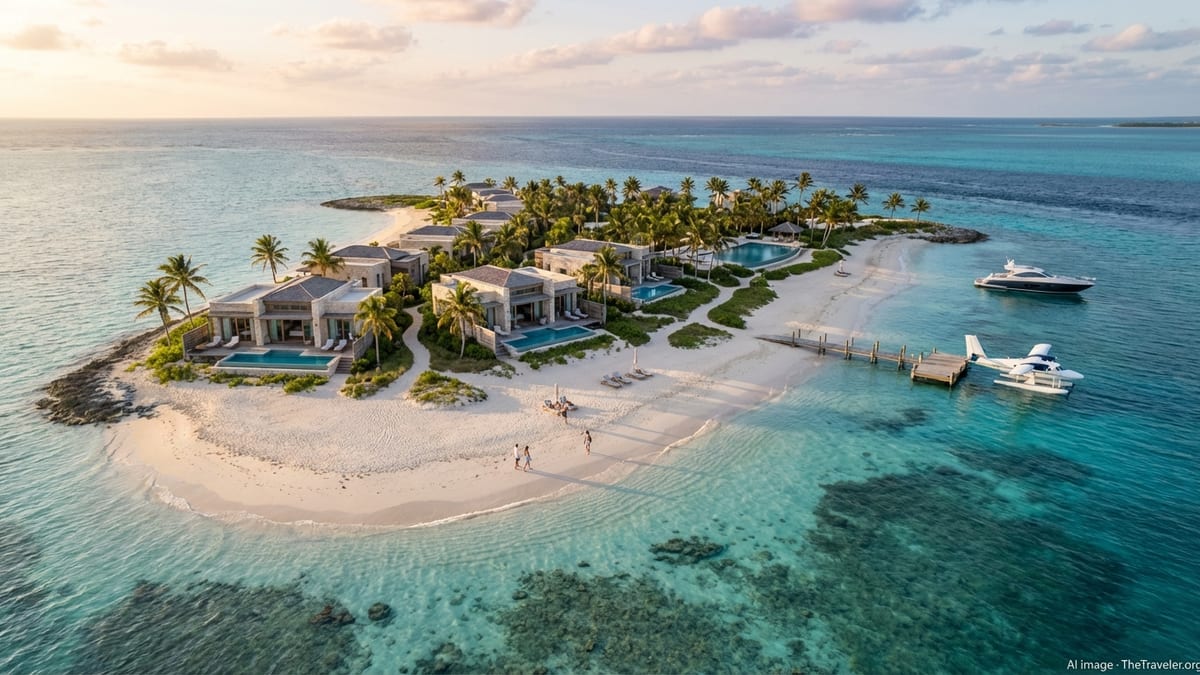
Alongside its rum heritage, Marie-Galante offers a coastline that travel writers frequently describe as among the most unspoiled in the region. Wide sweeps of white sand, calm bays and shallow turquoise water ring large sections of the island, but development has remained limited compared to more commercialized Caribbean destinations. There are no high-rise hotel districts, and many beaches are backed by palms and simple beach bars rather than extensive resort infrastructure.
Beaches such as those near Capesterre, on the island’s eastern side, are often cited for their soft sand and protective reef, which creates natural swimming lagoons. On the western coast, more sheltered stretches of shoreline look back toward Guadeloupe and are known for their tranquil waters and sunset views. Across the island, the absence of large-scale cruise terminals or major marinas has helped keep visitor numbers manageable, particularly outside local holiday periods.
Snorkeling and swimming are the primary draws along most of the coast, though conditions vary with wind and surf. Some beaches are recognized for their reef life and sea grass beds, where turtles can occasionally be spotted. Basic rental services for kayaks or stand-up paddleboards are available at a handful of locations, but heavy motorized traffic is limited. The result is a beach scene that feels noticeably more relaxed than on busier islands.
Published guides advise that amenities can be minimalist away from the main villages, with fewer sun loungers, lifeguards or organized activities than at large resort beaches elsewhere in the Caribbean. For many travelers, that simplicity is part of the charm, underscoring the sense that Marie-Galante remains focused on everyday island life rather than tailoring each stretch of sand to visitor expectations.
Creole Culture Rooted in Everyday Life
Beyond the shoreline, Marie-Galante’s cultural appeal lies in its mix of French and Creole influences, expressed through language, food, music and religious traditions. As an overseas dependency of France, the island uses the euro and follows French administrative structures, yet everyday life is shaped by Afro-Caribbean heritage and a close relationship with the sea and the land.
Local markets and small groceries stock a mix of imported European goods and regional staples such as fresh fish, root vegetables, spices and rum. Food stalls and simple restaurants serve Creole dishes built around seafood, rice and peas, stewed meats and fritters. Visitors also encounter cassava-based specialties and syrups derived from cane byproducts, echoing the island’s agricultural backbone.
Music and community events offer further insight into Marie-Galante’s identity. Traditional genres from the wider Guadeloupe archipelago, including gwo ka drumming, are present alongside contemporary Caribbean styles. Publicly available cultural calendars highlight village fêtes, religious celebrations and seasonal festivals that showcase local crafts, food and performance, particularly during carnival period.
Architecture ranges from modest wooden houses with brightly painted shutters to churches and civic buildings that reflect French colonial-era design. Outside the main settlements, old windmill towers and sugar factory ruins dot the landscape, serving as visual reminders of the island’s plantation history. These remnants, frequently referenced in travel writing, give context to the modern rum industry and the social shifts that followed the end of slavery and the decline of large estates.
Inside Marie-Galante’s Distilleries and Rum Culture
For many visitors, the island’s chief attraction lies behind the doors of its distilleries and aging warehouses. Guidebooks and rum-focused publications describe Marie-Galante as home to a cluster of producers that maintain traditional agricole techniques while experimenting with cask finishes and limited releases. Distillery visits typically combine explanations of harvesting, crushing and fermentation with tastings that compare unaged and barrel-matured styles.
Since agricole rum is made from fresh sugarcane juice, harvest timing is critical. Reports note that the main distillation season runs during the dry months, when cane is at its sweetest and mills operate at full capacity. Visitors who arrive in this period can see trucks delivering freshly cut cane, hear the machinery at work and sometimes watch as the juice is clarified and fermented before distillation.
On the tasting side, Marie-Galante’s producers often showcase a spectrum of expressions, from clear, grassy young spirits used in ti punch to older rums aged in oak, which introduce notes of vanilla, spice and dried fruit. Some distilleries maintain small museums or interpretive spaces that display historical tools, archival images and labels, offering a concise overview of the island’s evolution as a rum producer.
Beyond formal tours, rum also appears in everyday settings, from modest roadside bars to small eateries where house punches accompany local dishes. Travel writers emphasize that these venues often function as social hubs, bridging the gap between visitor and resident. For travelers interested in regional food and drink culture, observing how rum is integrated into ordinary life can be as informative as any guided tasting.
Practical Considerations for Visiting a Hidden Gem
Reaching Marie-Galante usually involves a connection through Guadeloupe, either via short domestic flights or ferry services that link the main islands of the archipelago. Transportation information from tourism authorities and operators suggests that schedules can be seasonal, with more frequent services in peak months and reduced options at other times of year. Planning connections carefully helps ensure sufficient time for transfers and weather-related changes.
Accommodation on the island tends toward small hotels, guesthouses and rental villas rather than large resorts. Recent travel coverage points to a growing but still modest selection of boutique properties, many of them independently operated and integrated into local communities. This scale aligns with the island’s broader character, prioritizing intimacy and contact with everyday life rather than extensive resort facilities.
Because Marie-Galante has retained a largely agricultural and residential profile, services such as car rentals, guided excursions and multilingual tours are available but not omnipresent. Travelers are often encouraged by guidebooks to book key elements in advance, particularly during regional holidays and European vacation periods when demand can outstrip supply. Outside the main centers, English may be less widely spoken, so a basic knowledge of French or a translation app can be helpful.
For visitors prepared to adapt to local rhythms, the island’s combination of quiet beaches, enduring sugarcane landscapes and deeply rooted rum traditions offers an experience distinct from that of more familiar Caribbean hubs. The relative absence of large-scale tourism allows the core elements of Marie-Galante’s identity to remain visible, from the fields and distilleries to the markets and coastal villages that continue to define daily life.