


More news on this day
A new wave of travel data for 2026 is revealing not just where people are flying, but which cities they are obsessively searching, saving and sharing online as they plan their next trips.
Get the latest news straight to your inbox!
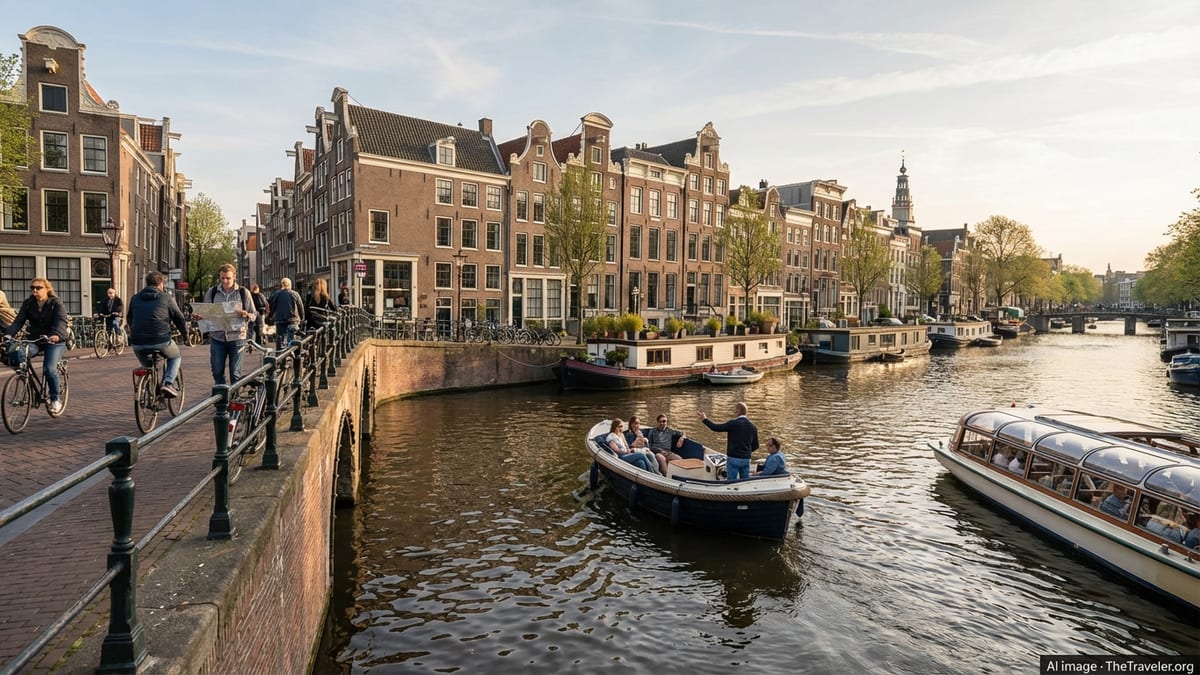
Search Giants Put Urban Favorites Under the Spotlight
Global search data shows that large, culture rich cities remain the backbone of international travel interest, even as travelers experiment with new types of trips. Google’s Year in Search reports for 2024 and 2025 highlighted the dominance of major urban destinations in travel related queries, with European hubs, Asian megacities and a handful of North American cities consistently ranking among the most searched. Industry coverage indicates that cities such as Tokyo, Paris, London, Barcelona and New York continue to attract intense digital attention thanks to their mix of iconic landmarks, dense cultural offerings and extensive flight connectivity.
Analysis by travel publishers drawing on Google’s trending destination lists for 2025 shows how quickly search momentum can build around particular cities. Recent reports point to Bilbao in Spain, Reykjavik in Iceland and Malaga in southern Spain as examples of cities that have climbed Google’s rankings as travelers look for alternatives to traditional hotspots and for more temperate or coastal escapes. These cities combine recognizable names with a perception of being more relaxed or better value than the largest capitals, helping to convert curiosity into concrete trip planning.
Tourism rankings based on visitor arrivals tell a complementary story. Euromonitor’s city destination index and United Nations tourism data have consistently placed cities such as Paris, Dubai, Istanbul and Bangkok among the world’s most visited, confirming that sustained search interest often translates into high arrival numbers. In 2024, Euromonitor’s top city destinations list was still dominated by these established players, underscoring how online search behavior tends to reinforce rather than replace the appeal of long standing global gateways.
At the same time, analysts caution that being most searched is not identical to being most visited. Some cities generate digital fascination that outpaces their current capacity or willingness to host visitors, especially where residents are pushing back against overtourism. This widening gap between online love and on the ground limits is becoming a defining tension in how the world’s favorite cities manage their success.
Secondary Cities Surge as Travelers Chase “Plot Twist” Destinations
While the largest global hubs still dominate overall interest, a series of recent travel trend reports for 2026 show that secondary cities are rapidly gaining ground. A 2026 mobility trends report from multimodal planning platform Rome2Rio describes the coming year as “the year of plot twist destinations,” with users increasingly searching not just for iconic capitals but for smaller cities, heritage towns and specific neighborhoods and viewpoints that promise a more distinctive narrative.
Skyscanner’s Horizons 2026 analysis of search behavior across the Americas and other regions similarly highlights the rise of second and third tier destinations. Its data points to strong growth in searches for lesser known South American and European cities, many of them regional hubs rather than national capitals. These places often combine lower prices with strong local character, an appealing mix at a time when travelers are highly sensitive to both cost and authenticity.
Other platforms see the same pattern in their own ecosystems. A 2026 trends report from Trip.com Group notes that while global favorites like Tokyo and major Chinese cities remain leading destinations in its booking data, there is a clear diffusion of interest toward a wider array of urban centers across East Asia and Europe. Likewise, a 2026 Luxe Report from global advisor network Virtuoso lists a blend of classic cities and emerging favorites among its most popular urban destinations for the coming year, reflecting how affluent travelers are mixing marquee names with new discoveries.
This surge in interest for secondary cities is also visible in regional data. Coverage of 2026 search patterns shared with U.S. media shows Christchurch in New Zealand, for example, recording close to a 200 percent increase in searches from American travelers versus the previous year. Eastern European cities such as Budapest and Kraków, and mid sized U.S. cultural hubs, are also appearing more often in trending tables, reflecting a broader shift toward cities that offer strong experiences without the price premiums or crowds of the most famous capitals.
Influence of Affordability, Climate and Niche Communities
Economic and environmental pressures are reshaping which cities are most loved online. Travel search analyses by platforms such as Kayak and Expedia indicate that affordability is a central driver of 2026 behavior, with users seeking out destinations that offer lower airfares, better value accommodation and favorable exchange rates. Reports on recent Google search data for 2025 highlight strong growth in interest for Central and Eastern European cities, where prices for food, lodging and attractions can undercut those in Western Europe while still offering historic centers and vibrant cultural scenes.
Climate is another decisive factor. Editorial coverage of Google’s Year in Search for 2024 and 2025 noted rising interest in cities associated with “coolcation” trends, including northern capitals and Atlantic facing ports. Reykjavik and other Nordic and North Atlantic cities have attracted fresh attention from travelers trying to escape extreme summer heat while still enjoying urban comforts and easy access to nature focused excursions.
Niche communities are further lifting specific cities in search rankings. A 2026 gay travel report from LGBTQ focused platform misterb&b, based on more than two million bookings and search impressions, finds that cities such as Mexico City, Barcelona, Berlin and Bangkok are particularly strong performers among LGBTQ travelers. These urban centers benefit from established nightlife, visible queer communities and a reputation for relative safety and inclusivity, reinforcing their status as “most loved” within a specific but influential segment of global tourism demand.
The layering of these factors means that the most searched and most adored cities in 2026 are often those that sit at the intersection of value, climate resilience and community appeal. A city that offers both cooler temperatures and a thriving creative or queer scene, or one that pairs low costs with strong culinary and cultural experiences, has a structural advantage in the digital competition for travelers’ attention.
Platforms Turn Search Behavior into 2026 City Forecasts
Online travel agencies and metasearch platforms are increasingly treating search and booking data as predictive tools, using them to forecast which cities will dominate travel conversations and itineraries in 2026. Expedia’s Wrapped style analyses of most searched destinations, for example, identify not only perennial favorites but also up and coming cities such as Matera in Italy, which has posted triple digit year on year search growth as travelers discover its UNESCO listed historic quarters.
Kayak’s 2026 travel trends report, based on flight search data, highlights how U.S. interest is swinging toward a mix of established cities and newly fashionable ones. Kansas City appears among its fastest rising domestic destinations, while Las Vegas, after reports of slowing momentum in 2025, is seeing a rebound in search interest. Internationally, data shared with news outlets shows surging searches for destinations in the Czech Republic, New Zealand and the Balkans, an indicator that cities in these regions are poised for a strong year.
Trip.com Group’s forward looking analysis of 2026 bookings likewise points to the central role of Japanese cities in Asia’s travel recovery, with Tokyo and Osaka holding top spots, while Chinese cities including Shanghai, Guangzhou and Chengdu show growing pull among regional travelers. These findings align with broader tourism statistics indicating that East Asia is regaining its position as one of the world’s most dynamic urban tourism regions after several years of pandemic related disruption.
Industry analysts note that while each platform’s user base and methodology differ, the convergence of signals across Google Trends, online travel agencies and specialist booking platforms provides a relatively robust picture of where global travelers are directing their digital attention. The cities that consistently appear in multiple datasets are emerging as the true online favorites of 2026.
Balancing Online Popularity with On the Ground Pressures
The rise of “most loved” tourist cities online is taking place against a backdrop of growing concern about overtourism and urban livability. Publicly available information on protests and policy debates in leading European destinations shows that residents in cities such as Barcelona, Venice and parts of the Greek islands are pressing for stricter controls on short term rentals, cruise arrivals and visitor behavior. These measures can influence how welcoming a city appears to would be visitors and may, over time, modulate the relationship between search popularity and actual visitation.
Global livability and urban quality of life rankings add another layer to the picture. Indexes produced by research organizations and consultancies routinely highlight cities such as Vienna, Melbourne, Copenhagen and Vancouver as among the most livable in the world, based on factors including infrastructure, healthcare, safety and environment. While not travel rankings in the narrow sense, these assessments shape perceptions of what makes a city desirable and may help explain why some places generate persistent online affection even if they do not top lists of arrival numbers.
Tourism economists point out that international arrival statistics and spending data still lag behind real time search trends, meaning that 2026 rankings of “most loved” cities will evolve as the year progresses. The proliferation of new tools, including academic archives of real time Google trending data, is expected to give researchers a clearer view of how quickly digital enthusiasm translates into flights booked and hotel nights spent.
For now, the best available evidence suggests that the urban tourism map in 2026 is simultaneously consolidating and diversifying. A core group of global cities continues to dominate online attention, but a widening constellation of secondary and niche favored cities is capturing the imagination of travelers whose searches are reshaping what it means to be a world class tourist destination.