


More news on this day
A five-hour Met Office yellow warning for fog is in force across 36 areas of the UK, with dense patches of freezing fog expected to bring early morning travel disruption on key road, rail and air corridors.
Get the latest news straight to your inbox!
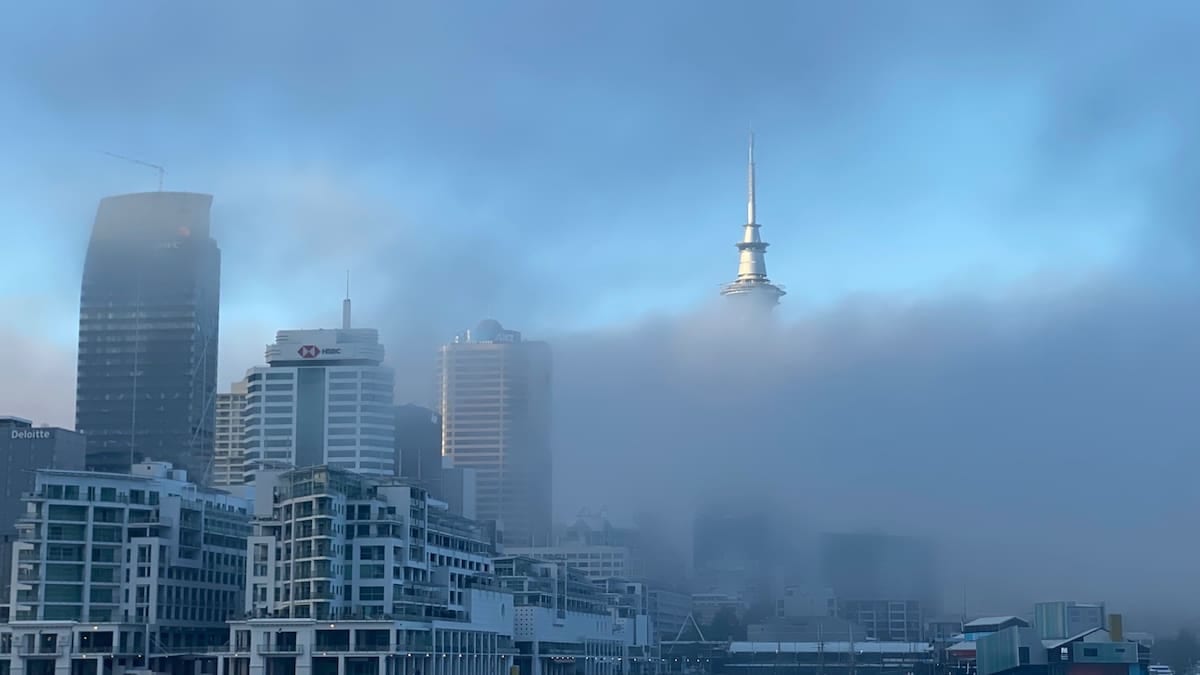
Five-hour window of disruption as dense fog forms
Publicly available Met Office information shows that the latest yellow warning for fog covers a five-hour period during the early morning, coinciding with the main commuter window. The alert highlights a risk of visibility falling below 100 metres in places, particularly in low-lying areas and along river valleys, where fog is likely to be slow to lift.
The warning indicates that journeys by car, bus and train may take longer than usual, with delays also possible at some airports where low visibility can disrupt take off and landing schedules. Travel coverage notes that some early services may need to operate at reduced speeds, while airport operations teams monitor conditions closely on affected runways and taxiways.
Although the alert is time-limited, forecasters note that where fog thickens overnight and winds remain light, it can persist beyond the official warning window. In these locations, disruption may continue into the late morning as visibility improves only gradually.
Full list of 36 areas under the fog warning
Reports referencing the Met Office warning outline a band of 36 administrative areas stretching from the East Midlands through parts of eastern and northern England and into the Welsh borders. In the East Midlands, the alert applies to Derby, Derbyshire, Leicester, Leicestershire, Lincolnshire, Northamptonshire, Nottingham, Nottinghamshire and Rutland.
Further south and east, Bedford, Central Bedfordshire, Cambridgeshire, Hertfordshire, Norfolk and the city of Peterborough are included. This brings several busy cross-country routes into the warning zone, including sections of the A1, A14 and A47, where rolling banks of fog can quickly reduce visibility and affect traffic flow.
The yellow alert also extends into parts of the South East and north-west England. Buckinghamshire and Milton Keynes are listed, along with Cheshire East and Cheshire West and Chester. In the border regions of England and Wales, Denbighshire, Flintshire, Powys and Wrexham fall inside the warning polygon, reflecting the potential for thick fog in sheltered valleys and along stretches of the A55 and other trunk roads.
Across northern England, the affected areas include Shropshire, Staffordshire, Stoke-on-Trent, Telford and Wrekin, East Riding of Yorkshire, Kingston upon Hull, North East Lincolnshire, North Lincolnshire, North Yorkshire, South Yorkshire, West Yorkshire and the city of York. This broad footprint covers parts of the M1, M6 and other strategic north–south and east–west links that are heavily used by commuters and freight traffic.
What a yellow fog warning means for travellers
Guidance published by the Met Office on its National Severe Weather Warning Service explains that yellow warnings signal the potential for low to moderate impacts, including some disruption to travel in a number of places. Under this level, most people can continue with their plans, but journeys may take longer and a minority of travellers may experience more significant delays.
For fog-related alerts, the primary concern is sharply reduced visibility, which can make driving more hazardous, especially at higher speeds. Public travel advice linked to the current warning encourages drivers to allow extra time, reduce speed where visibility deteriorates and use fog lights correctly when needed. The same guidance stresses that full beam headlights can make conditions appear worse by reflecting light back from water droplets in the fog.
Rail and bus operators use such warnings, alongside their own observations, to adjust timetables or introduce speed restrictions where necessary. Aviation planning is similarly affected, with airport movements sometimes slowed while visibility falls below certain operational thresholds. Even where services continue to run, passengers may find that connections are tighter than usual if knock-on delays build up across the morning.
Key routes and hubs most likely to be affected
Because the 36 affected areas include a swathe of central and northern England, several major inter-urban routes are highlighted in travel bulletins as being at greater risk of disruption. These include stretches of the M1 through the East Midlands and South Yorkshire, parts of the M6 in Cheshire and Staffordshire, and long segments of the A1 and A14 in eastern England.
Within urban areas such as Nottingham, Leicester, Derby, Sheffield, Leeds and York, dense patches of fog can form most readily near river corridors and low-lying suburbs, leading to abrupt changes in visibility within just a few streets. This can slow urban bus services and increase journey times for commuters using radial routes into city centres.
Regional and local airports within or close to the warning area are also placed on watch for possible delays. Publicly available information from recent fog events indicates that low cloud and fog can lead to short-notice changes to departure slots and diversions of incoming flights if conditions fall below safety thresholds on approach paths.
In the Welsh border counties of Denbighshire, Flintshire, Powys and Wrexham, the combination of valley topography and light winds favours the development of freezing fog where overnight temperatures have dropped close to or below freezing. In these locations, any lingering moisture on untreated roads and pavements can lead to slippery surfaces in addition to reduced visibility.
Practical steps for travellers in the 5-hour warning window
Travel and weather advice associated with the current yellow fog warning highlights a number of practical measures for those heading out during the five-hour alert period. Drivers are encouraged to check live traffic information, review whether their journey can be delayed until conditions improve and, where travel is essential, to build in additional time so that speeds can be reduced safely without putting schedules under pressure.
Publicly accessible guidance also recommends checking that fog lights are working before setting off and ensuring windscreens and mirrors are fully cleared of condensation and ice. On faster roads, leaving a greater gap to the vehicle in front can help to compensate for shorter sightlines, particularly when visibility varies rapidly between clearer stretches and very dense patches of fog.
Passengers using rail, coach or bus services within the 36 affected areas are advised, through operator updates and online journey planners, to monitor service status on the morning of travel. Even where timetables remain unchanged, short delays can accumulate as drivers and signallers respond to reduced visibility, especially at busy junctions and station approaches.
For air travellers, the main message in published travel coverage is to keep a close eye on airline notifications and airport arrival and departure boards. While not all airports in the warning zone will experience disruption, low cloud and fog can evolve quickly, so flight status may change at short notice until the Met Office warning expires and conditions become clearer later in the morning.