


More news on this day
Villa Vie Residences, the Florida-based company behind a high-profile “forever cruise” that abruptly left more than 200 residents stranded in Cambodia, is preparing to seek Chapter 11 bankruptcy protection in the United States as it struggles with surging fuel costs and a mounting cash crunch.
Get the latest news straight to your inbox!
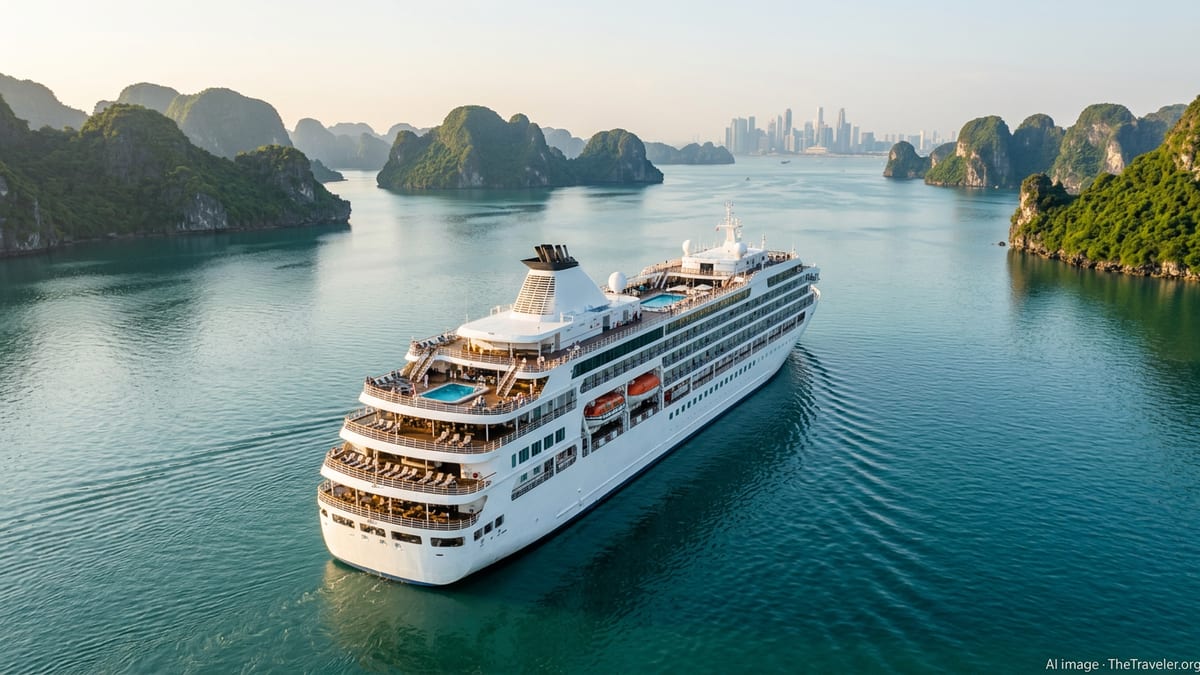
Residential “forever cruise” ends in abrupt shutdown
The bankruptcy preparations follow Villa Vie’s sudden decision in late October to halt operations of its MV Odyssey residential ship in the Cambodian port city of Sihanoukville. The vessel had been marketed as a three-year, continuously sailing global voyage where passengers could buy or lease cabins as long-term “floating homes.” According to published coverage, roughly 200 to 203 people were on board when the program was suspended.
Reports indicate the company informed residents they would need to disembark with their belongings as the cruise could no longer continue. Several passengers told news outlets and posted on social media that they were given limited notice and information, and described being left to arrange their own onward travel and accommodation from the port city.
Publicly available information shows that some travelers had spent months at sea and invested substantial sums into multi-year stays. One account cited in broadcast and online coverage described residents being “dropped” in town with no immediate assistance beyond general guidance to find flights and hotels, heightening criticism of the operator’s handling of the shutdown.
In statements reported by cruise-industry publications and television networks, Villa Vie has attributed the suspension to spiraling fuel prices that made continuing the Odyssey’s itinerary financially untenable. The company has not publicly set a date for any potential restart of service.
Fuel price shock pushes company toward court protection
According to recent interviews cited in national and financial media, Villa Vie’s leadership has said it is preparing to file for Chapter 11 bankruptcy in a U.S. court “any day,” framing the step as a way to pause creditor actions while it attempts to restructure. Chapter 11 protection would allow the company to keep certain assets under court supervision and propose a plan to reorganize its debts rather than immediately liquidating.
Coverage in cruise industry outlets indicates the operator was hit by a rapid jump in fuel costs along parts of the Odyssey’s planned route, reportedly pushing monthly fuel expenses per cabin several times higher than earlier averages. Company representatives have linked that spike to geopolitical tensions and disruptions following conflict in the Middle East, which have affected shipping and energy markets across Asia and beyond.
Documents and accounts reviewed by major broadcast newsrooms suggest Villa Vie had been seeking fresh investment or a strategic partner in the weeks leading up to the shutdown, including at least one potential cruise executive who visited the ship. Those efforts did not result in an announced rescue deal before the company moved to suspend the voyage.
While Chapter 11 proceedings can allow a business to keep operating, reports on Villa Vie’s situation indicate that any restructuring plan would need to address not only unpaid fuel and port costs but also claims from residents, travel providers and other creditors affected by the sudden halt.
Stranded residents face complex journey home
Passengers disembarking in Sihanoukville have described a confusing scramble to secure flights and lodging after being told their long-term cruise homes would no longer sail. Accounts gathered by regional and U.S. outlets highlight challenges ranging from visa questions to the cost and availability of last-minute tickets out of Cambodia.
According to published reporting, some residents had sold or rented out their homes on land to join the Odyssey for an extended period, leaving them with limited immediate housing options once forced to leave the ship. The transition from a fully serviced residential cruise environment to arranging independent travel in a foreign country was described as especially difficult for older passengers and those with mobility or health concerns.
Information shared by travelers and summarized in news coverage suggests that assistance from the operator varied and was often perceived as insufficient. While the company indicated in statements that it would help coordinate departures and provide guidance, several passengers have said they were initially left to navigate airports, bookings and unexpected expenses largely on their own.
Consumer advocates note that residents’ options for recourse will depend heavily on the specific contracts they signed, whether they used credit cards or travel insurance and how courts eventually treat claims if the Chapter 11 case proceeds. For now, many affected travelers are focused on getting home or finding new long-term housing arrangements.
What a Chapter 11 case could mean for passengers
If Villa Vie’s Chapter 11 filing moves forward, it would trigger an automatic stay that generally halts most collection efforts and lawsuits while the company proposes a reorganization plan. In similar travel-sector bankruptcies, courts have sorted through competing claims from lenders, suppliers, employees and customers, often over many months.
Publicly available information on past cruise and travel bankruptcies shows that customer refunds are typically unsecured claims, which can place them behind secured creditors such as banks and bondholders in priority. That can result in partial recoveries or, in some cases, no recovery at all, depending on the value of remaining assets and any sale proceeds.
U.S. regulators offer limited direct protection in such situations. Guidance from federal maritime authorities explains that cruise passenger assistance programs and financial responsibility requirements usually focus on conventional ticketed voyages rather than long-term residential products. As a result, residents on the Odyssey may find that standard consumer safeguards do not fully cover their circumstances.
Legal specialists following the situation note that the court could eventually approve a sale of the ship or other assets, or confirm a plan allowing Villa Vie to continue in a reduced form. Until a detailed bankruptcy petition is filed and reviewed, the scale of the company’s liabilities to passengers and other stakeholders will remain uncertain.
Broader questions for the growing residential cruise niche
The Odyssey’s abrupt grounding and Villa Vie’s anticipated Chapter 11 case are drawing wider attention to the small but growing niche of residential cruising, in which guests purchase multi-year or even permanent stays aboard vessels marketed as floating communities. The model has been promoted as a blend of luxury travel and downsized living, attractive to retirees, remote workers and frequent travelers.
Industry observers note that the concept also concentrates traditional cruise risks into a single long-term bet on one operator, one vessel and one complex global itinerary. Fuel volatility, geopolitical disruptions, maintenance needs and financing costs can all compound quickly, especially for a smaller company without the diversified fleets and hedging strategies of major cruise brands.
Analysts quoted in recent coverage suggest Villa Vie’s troubles may prompt potential residents to look more closely at financial disclosures, insurance arrangements and contingency plans before committing to multi-year at-sea living. Questions are also likely to intensify around how regulators classify and oversee residential cruise products compared with standard leisure voyages.
For now, the MV Odyssey remains a high-profile example of how a highly marketed “endless voyage” can unravel within months when costs surge and funding falls short, leaving residents and investors to seek remedies in courts and through their own travel and financial protections.