

More news on this day
Mexico has joined Cuba, Venezuela, Nicaragua, Guatemala and other regional allies in extending and sharpening travel advisories, as cartel violence, fuel shortages, mass protests and transport disruptions combine to unsettle tourism flows across large parts of Latin America and the Caribbean.
Coordinated Warnings Mark a New Phase in Regional Risk Messaging
In recent days, Mexico’s foreign ministry and tourism authorities have issued updated security bulletins and public advisories after a fresh wave of cartel-related violence, signaling a tougher stance on communicating risk to visitors. The move coincides with stepped-up travel warnings and emergency notices from governments in Cuba, Venezuela, Nicaragua and Guatemala, which are recalibrating how candidly they describe on-the-ground conditions to foreign tourists and their own citizens abroad.
Officials and analysts say the convergence is not a formal legal pact, but rather a loosely aligned response to overlapping crises that are straining public security, energy supplies and transport networks across the region. By extending or reissuing advisories at roughly the same time, the governments aim both to protect travelers and to push back against what they describe as one-sided narratives contained in U.S. and European travel warnings.
The coordinated messaging comes as many of these countries face heightened scrutiny from foreign ministries in Washington, Ottawa, London and elsewhere, where advisories already highlight cartel violence in Mexico, political tensions in Venezuela and Nicaragua, and infrastructure fragilities in Cuba and parts of Central America. Regional leaders insist that properly calibrated guidance, rather than blanket alarm, is needed to sustain tourism without ignoring real risks.
Cartel Violence in Mexico Fuels Safety Fears and Flight Disruptions
Mexico’s updated alerts follow a dramatic spike in violence linked to the reported death of Nemesio Oseguera Cervantes, long identified by U.S. and Mexican authorities as the leader of the Jalisco New Generation Cartel. In the days after his death in late February, armed groups set vehicles ablaze and blocked highways in Jalisco and neighboring states, disrupting access to airports and resort areas that are central to Mexico’s tourism economy.
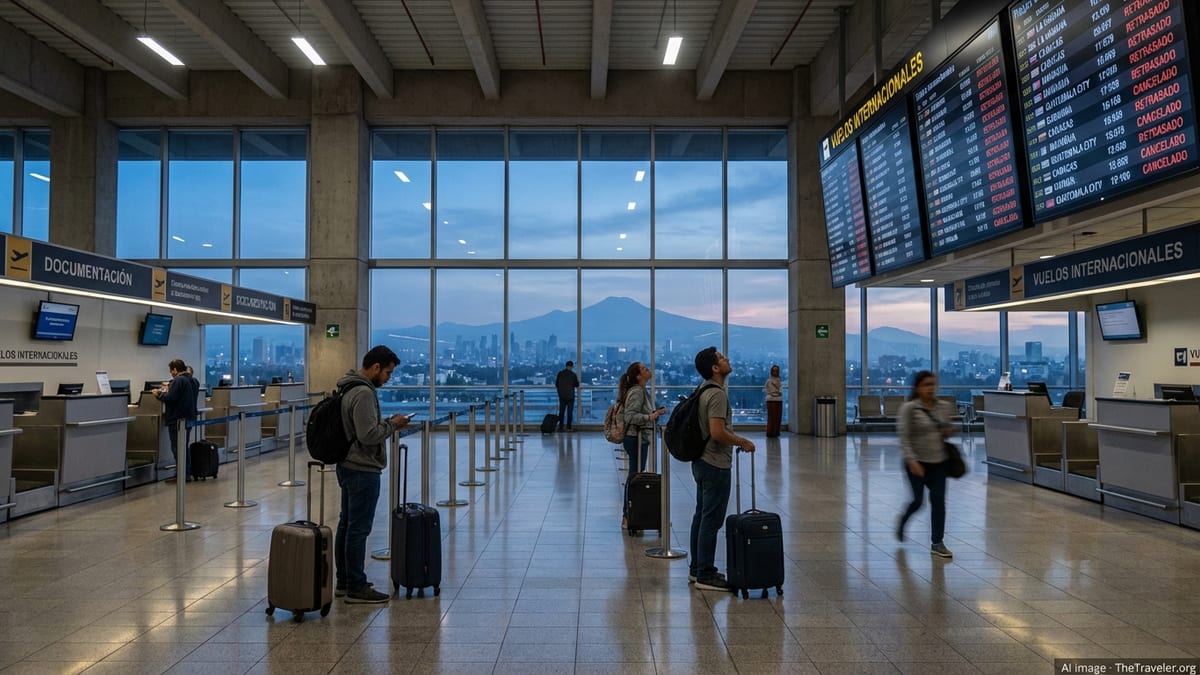
Authorities temporarily suspended or rerouted flights in and out of several airports, including those serving Guadalajara and the Pacific resort of Puerto Vallarta, leaving travelers stranded and prompting urgent guidance from consulates advising visitors to shelter in place. Airlines have since begun restoring schedules, but Mexican and foreign officials continue to warn that security operations and sporadic roadblocks could still affect travel times and connections.
Security experts caution that the risk is not confined to remote regions. While Mexico’s top beach destinations on the Caribbean and Pacific coasts continue to operate, the government has acknowledged that organized crime groups are active in or near some tourist corridors. Foreign advisories for Mexico already urge travelers to avoid certain states altogether, and the latest domestic warnings effectively mirror that more granular approach, stressing state-by-state conditions and the importance of avoiding night-time road travel.
The turbulence comes on top of recent rail and road accidents that have focused attention on infrastructure safety. A high-profile train derailment in Oaxaca at the end of 2025, which killed and injured dozens, raised questions about oversight as Mexico invests heavily in new tourism-linked rail lines intended to open up less-developed regions.
Cuba’s Fuel Crisis and Venezuela’s Political Turmoil Hit Tourism Hard
In Cuba, extended travel advisories are being driven less by crime and more by a severe fuel and energy crisis that has rippled through the island’s aviation, hospitality and transport sectors. With key oil shipments from traditional partners sharply reduced, Cuba has been forced to ration fuel, leading to rolling blackouts and chronic shortages that directly affect visitors’ ability to move around the country.
The scarcity of aviation fuel has led to flight cancellations and schedule cuts by foreign carriers, leaving some travelers facing unplanned stopovers or last-minute itinerary changes. Cuban authorities have urged visitors to build in additional time, confirm flights before heading to the airport and prepare for intermittent power outages at hotels and private guesthouses, particularly outside major resort complexes.
Venezuela, long under overlapping political and economic sanctions, has extended its own travel advisories emphasizing potential disruptions tied to domestic political tensions and infrastructure breakdowns. Sporadic fuel shortages, patchy airline connectivity and periodic street protests in major cities complicate travel logistics, even as the government courts tourists with heavily promoted beach and ecotourism offerings.
Regional diplomats say that by issuing stronger, longer-running advisories, both Havana and Caracas are trying to walk a fine line: acknowledging difficulties that are obvious to anyone on the ground, while arguing that foreign warnings often overstate the security threat and fail to note that many visitors complete their trips without incident.
Protests, Governance Tensions and Crime in Central America
In Nicaragua and Guatemala, extended advisories focus heavily on political unrest, governance disputes and localized crime, which together have created a patchwork of safe and higher-risk areas. In Nicaragua, opposition groups and rights organizations continue to report tight controls on public gatherings and frequent encounters between security forces and dissidents, especially in urban centers and historically restive regions.
While Nicaragua’s Pacific coast and inland lake destinations still receive foreign tourists, the government’s latest messaging stresses the possibility of sudden roadblocks, checkpoints and event cancellations if political tensions flare. Travelers are urged to follow local media closely, register with their embassies and avoid demonstrations entirely.
Guatemala, for its part, is promoting its colonial cities and Maya archaeological sites even as it acknowledges rising concern over armed robbery, extortion and land conflicts in certain departments. Recent advisories underscore the risks of traveling after dark, using unregistered transport services or venturing into remote rural zones without experienced guides. Authorities have highlighted efforts to expand tourist police patrols in key destinations, though rights advocates say resources remain thin.
Across Central America, governments are under pressure to respond to both domestic fears and international scrutiny. The latest round of advisories reflects an attempt to systematize guidance, with clearer references to specific highways, border crossings and neighborhoods where problems are most acute, rather than blanket warnings that can depress tourism across entire countries.
Tourism Industry Braces for Cancellations and Calls for Balanced Messaging
The wave of extended travel advisories has sent ripples through the regional tourism industry, which is still recovering from the pandemic and a series of extreme weather events. Hoteliers, tour operators and small business owners in Mexico, Cuba and Central America report a noticeable uptick in traveler queries about safety, as well as a rise in cancellations for the shoulder season stretching from late winter into early summer.
Industry groups are urging governments to coordinate messaging more closely, arguing that inconsistent or vaguely worded advisories can create confusion that is just as damaging as clear, risk-based warnings. They are calling for regular joint briefings between tourism and security officials, standardized incident reporting and more transparent data on crime and disruptions affecting major visitor hubs.
At the same time, travel professionals acknowledge that glossing over problems is no longer an option in an era when social media quickly broadcasts images of blocked highways, burning vehicles or stranded passengers. Many are instead pivoting to an approach that emphasizes informed, prepared travel: encouraging visitors to purchase flexible tickets and comprehensive insurance, rely on vetted transportation providers and stay in close contact with local hosts or agencies.
For now, analysts expect Mexico and its regional partners to maintain heightened advisories at least through the coming months, as authorities monitor security operations, energy supplies and political flashpoints. The challenge will be managing real and perceived risks without undermining a tourism lifeline that millions of workers across the region depend on.