

More news on this day
After a wave of cartel-related violence elsewhere in Mexico briefly triggered a shelter-in-place alert for parts of Quintana Roo in late February, Cancún and the Riviera Maya have reopened to tourists with reinforced security and a continued U.S. Level 2 travel advisory, leaving many travelers wondering how worried they should be about upcoming trips.
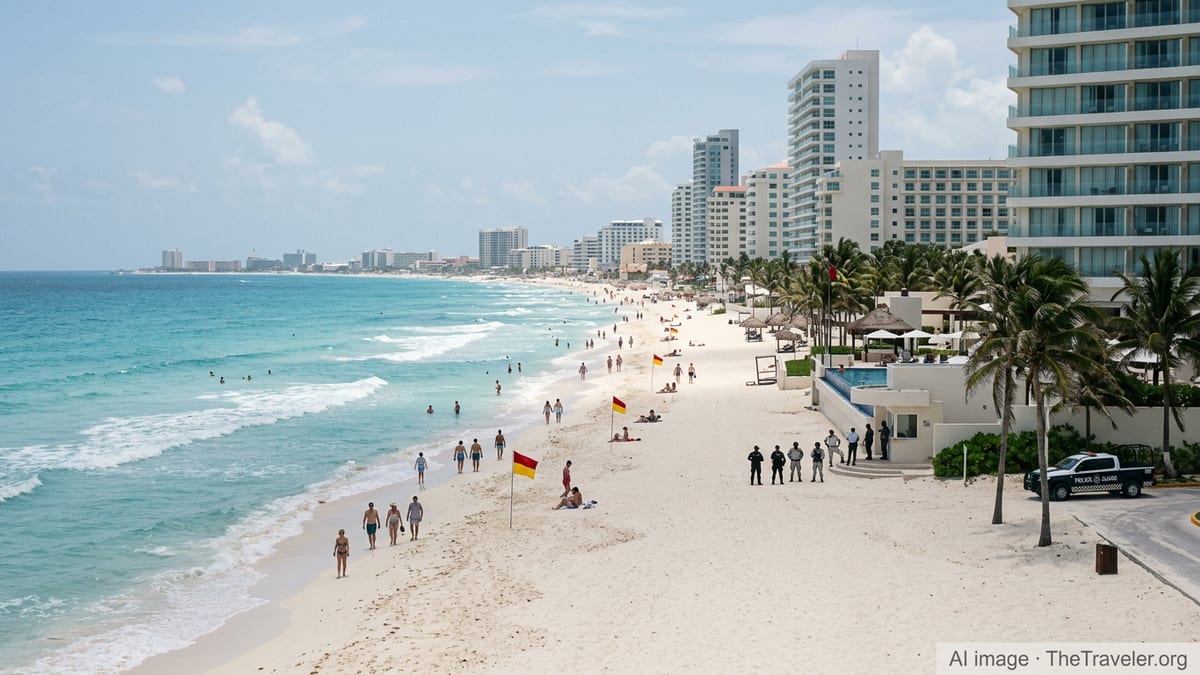
Advisories After February Unrest: What Has Changed
The killing of a powerful cartel leader on February 22, 2026, set off coordinated arson attacks, road blockades and unrest across more than a dozen Mexican states, prompting the U.S. Embassy in Mexico to issue an unusually broad security alert that briefly included Quintana Roo, home to Cancún, Playa del Carmen and Tulum.
For several hours, U.S. citizens in those destinations were urged to shelter in place as authorities assessed the risk of spillover violence and monitored highways and key tourist zones. The alert coincided with peak spring break planning, causing a flurry of cancellations and uncertainty among American and Canadian travelers.
By February 23, however, U.S. officials said the situation in Quintana Roo had returned to normal and lifted the shelter-in-place recommendation for the state. The broader Mexico travel advisory, last updated in 2025, remains in effect, classifying Quintana Roo as Level 2, which means visitors are advised to exercise increased caution but are not discouraged from traveling there.
Canadian and European advisories broadly mirror that stance, noting that popular beach destinations are heavily policed and generally remain calmer than many inland states that have seen the brunt of cartel violence.
Current Safety Picture in Cancún and the Riviera Maya
On the ground in Cancún’s Hotel Zone and along the Riviera Maya corridor, hotels, tour operators and airport officials report that flights, transfers and excursions are operating as scheduled. Local tourism authorities in Quintana Roo have emphasized that no tourists were directly targeted in the February incidents that briefly affected roadways and led to burned vehicles on routes near Cancún, Playa del Carmen and Tulum.
State officials say more than ten thousand police, National Guard troops and military personnel are currently deployed to protect transport corridors, airports, ports and tourist districts throughout Quintana Roo. Visible patrols on main highways, at hotel entrances and around nightlife strips are part of a security strategy that has been expanded over the past several years as visitor numbers climbed to record levels.
Despite that heightened presence, crime has not disappeared. Organized crime groups continue to operate in the wider region, and some violent incidents have occurred near tourist zones in recent years, including clashes between rival groups and isolated shootings in bars and side streets that cater primarily to locals. Security experts stress that these events tend to be targeted rather than random, but can create collateral risk for bystanders.
Travel risk analysts interviewed by major outlets describe Cancún and the Riviera Maya as relatively lower risk compared with some other parts of Mexico, but caution that conditions remain fluid. They recommend that travelers pay close attention to local news, register with consular services where available, and treat government advisories as a baseline, not a guarantee of safety.
How the New Warnings Affect Spring and Summer Travel
The timing of the latest unrest is especially sensitive for Mexico’s Caribbean coast, which is preparing to welcome hundreds of thousands of visitors for spring break and the early summer season. Travel agencies in the United States and Canada report a spike in safety questions, but only a modest rise in outright cancellations for Cancún and Riviera Maya packages so far.
Industry groups say many travelers are choosing to modify their plans rather than abandon them, for example switching from independent road trips to all-inclusive resorts with private airport transfers, or opting for earlier arrival times so that intercity travel does not take place late at night. Some tour companies have adjusted departure schedules and routing to avoid stretches of highway that were temporarily affected during the February unrest.
Hotels and resorts have responded by highlighting their security protocols, from controlled access at property gates to expanded camera coverage and closer coordination with local police. Destination marketing officials are also emphasizing that beaches, archaeological sites and theme parks in Quintana Roo remained open, even during the short-lived alert, and that tourism operations continued under reinforced security.
At the same time, travel advisers say flexible booking policies are more important than ever. They encourage clients to check change and cancellation terms on flights, hotels and excursions in case authorities reimpose localized restrictions, or travelers decide they are no longer comfortable with the evolving risk profile.
Practical Safety Advice for Visitors Right Now
Security specialists stress that most risk in Cancún and the Riviera Maya can be managed with basic precautions and an understanding of how crime typically occurs in the region. They advise arriving with confirmed airport transfers from reputable companies or directly through hotels, avoiding unregulated taxis and ride services, particularly late at night, and staying on main toll roads and well-traveled routes when moving between cities.
Visitors are also urged to keep a low profile by limiting displays of cash and expensive jewelry, storing passports and large sums of money in hotel safes, and using credit cards inside established businesses rather than at isolated ATMs. Venturing into local neighborhoods is not discouraged, but experts recommend doing so in daylight, in small groups, and with guidance from hotel staff or licensed guides who understand current conditions.
Authorities and consular officials continue to warn against purchasing or using illegal drugs, noting that the drug trade is a primary driver of violence in Mexico and that tourists who become involved, even casually, can quickly find themselves at serious risk or in conflict with the law. Nightlife districts in Cancún and Playa del Carmen remain popular, but travelers are urged to monitor their drinks, stay aware of their surroundings and arrange transportation back to their accommodations in advance.
Health officials, meanwhile, are reminding visitors of non-crime risks that can complicate trips, including a seasonal uptick in mosquito-borne illnesses such as dengue and sporadic heat advisories along the Caribbean coast. They recommend packing and using insect repellent, staying hydrated, and checking whether routine vaccinations and recommended travel shots are up to date before departure.
What to Watch in the Weeks Ahead
In the coming weeks, security experts will be watching whether Mexico’s federal and state authorities sustain the enlarged security presence around Cancún and the Riviera Maya, and whether cartel violence in western and central states continues to ease or flares again as rival groups reposition after the February power vacuum.
For travelers, the most practical step is to monitor official advisories from their home governments in the days before departure and again just before traveling between destinations inside Mexico. Any fresh alerts related to Quintana Roo or neighboring states are likely to be reflected quickly in consular guidance and airline or tour operator communications.
Tourism officials in Quintana Roo insist that the state remains committed to keeping its beaches, archaeological sites and resorts open and functioning even during moments of national tension, while acknowledging that high-profile incidents elsewhere in the country can rapidly affect international perceptions and booking patterns.
For now, the message from both security analysts and local authorities is that Cancún and the Riviera Maya remain open for business, but that visitors should approach their trips with open eyes, informed expectations and a willingness to adapt plans if conditions change.