

Arizona can feel surprisingly affordable in some moments and eye wateringly pricey in others, especially around national parks and major events. Understanding how costs, taxes, and payment methods work across the state will help you set a realistic budget and avoid bill shock when you check out of your hotel, pick up a rental car, or tap your card at a restaurant in Phoenix or Tucson.
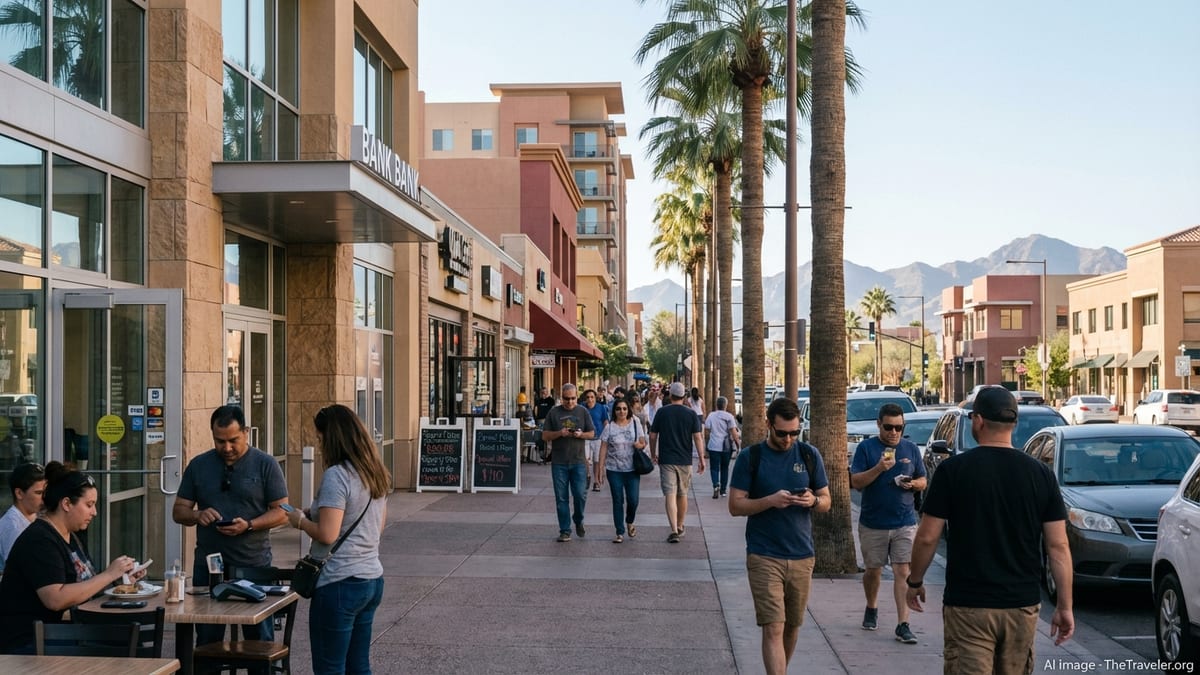
What Things Really Cost Travelers in Arizona
Arizona offers a wide range of price points depending on where and when you travel. Larger metro areas like Phoenix and Scottsdale have prices that often feel similar to other big Sun Belt cities, while smaller towns and desert communities can be a bit cheaper for food and everyday expenses. Tourist hot spots such as Sedona, Flagstaff, and gateway towns near the Grand Canyon usually command higher prices for lodging, dining, and tours, especially in peak spring and fall seasons when the weather is most pleasant.
Hotel costs swing widely across the state. Budget roadside motels can be relatively inexpensive, particularly in less touristed corridors along the interstates, but rates climb sharply in downtown Phoenix and resorts clustered around Scottsdale, Paradise Valley, and Sedona. Around major events in the Phoenix area, such as spring training baseball or professional golf tournaments, nightly rates can jump significantly compared with off season prices, and minimum stay rules are more common.
Dining prices also track closely with location. In Phoenix and Tucson you will find everything from value friendly taco stands and diners to upscale tasting menus with prices on par with major coastal cities. Resort areas and small tourist towns often tilt toward mid range and upscale options, so budget conscious travelers may want to plan breakfasts from grocery stores and pick casual local cafés for lunch. Coffee, snacks, and fast food are typically priced in line with national averages, particularly at major chains.
Activities and park related costs add another layer to an Arizona budget. Entry to national parks and monuments follows National Park Service fee schedules, while state parks and tribal sites set their own prices. Guided tours of slot canyons, rafting trips, jeep excursions, and scenic flights can all raise the daily spend considerably, particularly around the Grand Canyon and Page. Building a cushion into your budget for one or two big ticket experiences is wise if you hope to see Arizona’s landscapes from the water, the air, or the back of a 4x4.
How Sales Tax and the Arizona Transaction Privilege Tax Work
Instead of a traditional consumer sales tax, Arizona uses what is called a Transaction Privilege Tax, often shortened to TPT. Legally, this is a tax on businesses for the privilege of doing business in the state, but in everyday life it functions almost exactly like a retail sales tax. Stores, hotels, and restaurants usually pass the cost on to customers at the register, so you will see an added percentage on your receipt when you pay for taxable goods and services.
The state level portion of this tax currently sits in the mid single digits, and cities and counties add their own layers on top. That means the combined tax rate that you actually pay at the checkout counter varies across Arizona. The average combined rate across the state is in the high single digits, but individual towns and cities can be somewhat lower or notably higher than that statewide average, especially where local governments rely heavily on sales and privilege taxes for revenue.
Because rates differ by jurisdiction and sometimes by type of business activity, you might notice that the tax rate on a restaurant bill in downtown Phoenix does not match what you see on a shopping receipt in a nearby suburb or on a hotel invoice in a different city. Local governments regularly update their TPT and use tax tables, and changes can take effect at different times of the year. Travelers do not need to track the exact percentages, but it is helpful to expect that a bit less than ten percent can be added to many taxable purchases.
Some purchases, such as groceries intended for home consumption, enjoy more favorable tax treatment or are taxed at lower effective rates, while prepared food, hotel stays, and various services are often fully taxed. Because the TPT is legally imposed on the business, any errors in collection are usually the business’s responsibility rather than the traveler’s. Still, if something looks clearly off on your bill, it is reasonable to ask the merchant to check the applied rate.
Tourism Taxes, Lodging Fees, and Rental Car Costs
Visitors quickly notice that hotels and short term rentals in Arizona often carry taxes and fees that feel higher than the tax on a simple retail purchase. In addition to the state level TPT, many cities impose specific taxes on transient lodging, sometimes labeled as bed taxes, hotel taxes, or transient occupancy taxes. These additions help fund tourism marketing, convention centers, and local infrastructure that supports visitors, and they mean that the total tax on a room night can run several points higher than the basic combined sales and privilege tax rate in that community.
On top of these percentage based taxes, lodging bills in larger cities may include flat nightly surcharges or resort fees that cover amenities like pools, fitness centers, or local shuttle services. These charges may or may not be taxable themselves, and they can meaningfully raise the nightly cost beyond the advertised room rate. Travelers booking in Phoenix, Scottsdale, and other resort heavy areas should always click through to the final price breakdown before confirming, particularly during peak winter and spring seasons when resort fees are common.
Rental cars add another stack of charges that can catch travelers off guard. At major Arizona airports, per day and percentage based taxes are often dedicated to stadiums, convention facilities, and transportation infrastructure. The base rental rate advertised in search results may roughly double after state and local taxes, airport concession fees, and vehicle license recovery charges are included. Picking up a car at an off airport neighborhood location can sometimes reduce the tax burden, though that may involve trade offs in convenience and opening hours.
Arizona has also recently made changes to how long term residential rentals are taxed, effectively eliminating certain local privilege taxes on qualifying long term leases. While that shift primarily affects residents and property owners rather than short stay visitors, it has had revenue consequences for some cities. As a result, travelers may notice that local governments adjust other rates, such as general TPT or lodging taxes, over time to make up for lost revenue. Checking updated booking totals and not assuming last year’s tax rates still apply is the safest approach when you return to the same destination in a later year.
Everyday Prices: Food, Gas, and Getting Around
Food costs for travelers in Arizona largely mirror national norms, with some regional quirks. Groceries at large chains in Phoenix and Tucson tend to be close to the United States average, though smaller, more remote towns often have slightly higher prices due to transportation costs and less competition. Fresh produce can be good value in season, reflecting the region’s agricultural production, while imported specialty items and organic brands may carry premiums similar to those seen in other states.
Eating out offers many budget choices, particularly in cities, but resort and tourist corridor pricing can climb quickly. Authentic Mexican and Southwestern food is plentiful, and local taquerias and casual restaurants often serve generous portions at moderate prices. Upscale dining in Scottsdale, Sedona, and trendy Phoenix districts comes with menu prices and beverage markups consistent with other major leisure destinations, so travelers seeking savings can mix these splurges with simpler meals or take advantage of happy hour menus.
Gasoline prices in Arizona can be volatile and vary by region, but they typically sit somewhere near the national average, sometimes a bit above or below depending on refinery and distribution dynamics at a given time. Prices are often lower in the Phoenix metro area, where competition among stations is higher, and somewhat higher in rural stretches, high elevation towns, and small desert communities where supply options are limited. Before long drives across sparsely populated areas, it is wise to fill up in larger towns where pump prices are more competitive.
Public transportation in Arizona is modest outside of the largest cities, so many visitors rely on rental cars, rideshare services, and taxis. Fares for rideshare services in Phoenix and Tucson are usually comparable to similar cities of their size, with surges around busy event times and late evenings. In more remote destinations, rideshare coverage may be spotty, and local taxi or shuttle companies may operate with fixed fares. Budgeting a bit extra for last mile transportation in smaller towns and around national parks is prudent.
Tipping Culture and Service Charges
Arizona generally follows mainstream United States tipping norms, and travelers from abroad should plan to include gratuities in their budgets. In full service restaurants where servers take your order at the table, it is customary to leave a tip based on the pre tax total. Many locals consider a range around the mid to high teens as a basic tip, with larger percentages for standout service and slightly lower for very simple service or large buffet situations. Quick service counters and coffee shops often have digital tip prompts at checkout, but tips there remain discretionary.
Hotel tipping expectations are similar to other U.S. destinations. Housekeeping staff may be tipped per night, usually left in cash in the room, especially if they provide daily service. Valet parking attendants, bell staff, and concierge staff who arrange special services or reservations also commonly receive small cash tips. At resorts, attendants at pools, spas, and golf facilities sometimes receive gratuities directly or through service charge pools added to your bill.
For ride services, rounding up the fare or adding a modest percentage through the app is common practice. Taxi drivers generally receive tips similar to rideshare drivers, especially when helping with luggage or navigating heavy traffic. Tour guides, drivers on organized excursions, and activity instructors such as rafting or jeep guides often rely heavily on tips, which may be presented in cash at the end of the experience or sometimes added to a card payment if the operator allows.
Service charges are becoming more frequent, especially at restaurants and bars in city centers and resort areas. Some venues add an automatic gratuity for larger groups, often starting around six or more people, and this may appear as a service charge line item on the bill. Travelers should read the check carefully so they do not tip twice on the same service. When an automatic gratuity is already included, adding an additional tip is optional and usually reserved for exceptional service.
Cash, Cards, and Mobile Payments in Arizona
For most travelers, Arizona is a state where you can comfortably rely on cards and digital wallets for almost everything. Major credit and debit cards are widely accepted at hotels, restaurants, gas stations, grocery stores, tourist attractions, and chain retailers. Tap to pay functionality has become common at newer terminals, and many businesses support mobile wallets so you can pay with a smartphone or smartwatch. Cards with international payment networks are generally accepted, although some very small merchants may prefer domestic debit networks for cost reasons.
Despite the high level of card acceptance, carrying at least a small amount of cash still makes sense. Tips for housekeeping, valet staff, and some tour guides are easier in cash, especially outside large cities where mobile payment options may be limited. Small independent food trucks, roadside stands, and local markets may accept mobile payments through popular peer to peer apps, but some remain cash only or offer discounts for cash. Having a mix of small bills allows you to handle parking meters in older areas, community events, and small purchases where card minimums might apply.
Arizona’s larger cities have ATMs at bank branches, shopping centers, and convenience stores, though fees and exchange rates can vary, especially for foreign cards. Travelers should prefer machines operated by major banks when possible to reduce the risk of extra surcharges and to benefit from more robust security. In rural areas and small towns, ATMs can be fewer and farther between, so it is smart to withdraw what you need while still in a metropolitan area if your travel plans include long stretches of highway or remote parks.
Contactless and mobile payments have gained ground rapidly in recent years, but travelers should not assume that every small business will accept every digital wallet or peer to peer app. Some establishments may accept one platform but not another, and a few may still rely on older terminals that only process chip or magnetic stripe cards. Having at least one physical card and some cash as backup remains the best way to avoid awkward moments at the register.
Banking, ATMs, and Travel Safety for Your Money
Managing your money securely in Arizona involves the same fundamental habits that work in most U.S. states. Travelers should keep primary cards and backup cards separate, avoid carrying all cash in one place, and use hotel safes where available for spare cards, passports, and extra cash. While Arizona’s main cities and resort areas are accustomed to visitors and generally feel safe in busy districts, petty theft can occur, particularly in crowded tourist zones and at major events.
When using ATMs, choosing machines inside bank branches, hotel lobbies, or major supermarkets offers better lighting, surveillance, and maintenance standards than isolated standalone machines. Covering the keypad when entering PINs and checking card slots for signs of tampering remain wise precautions. Most international travelers will find that their home banks partner with U.S. networks, making it easier to withdraw dollars at competitive exchange rates, though per use fees may still apply.
Card fraud protections in the United States are well developed, but dealing with a frozen or compromised card mid trip is still inconvenient. Notifying your bank or card issuer of travel to Arizona ahead of time can reduce the chances of unexpected fraud alerts, especially if you will be making many small purchases in quick succession at gas stations, restaurants, and attractions. Keeping a digital or written record of card issuer phone numbers separate from your wallet allows you to contact them quickly if a card is lost or stolen.
Travelers bringing larger sums of cash, such as for extended road trips or shared group expenses, should divide funds among trusted companions and avoid displaying large amounts in public. Many hotels and vacation rentals now accept secure digital deposits and payments ahead of arrival, reducing the need to carry as much cash. For high value items like cameras and laptops, keeping receipts and serial numbers recorded can help in the event of loss or theft, and comprehensive travel insurance that covers personal belongings may be worth considering for longer or gear heavy trips.
The Takeaway
Arizona combines big city services, small town character, and dramatic natural landscapes, and its money realities reflect that mix. Costs can be moderate for everyday items like groceries and gas, then climb quickly for resort stays, rental cars, and guided outdoor adventures. Understanding that Arizona uses a business focused Transaction Privilege Tax that functions much like a sales tax, and that lodging and rental car bills often carry extra tourism related charges, will keep you from being surprised when you see the final total.
For most visitors, the simplest strategy is to budget with a comfortable cushion over base prices to account for taxes and fees, lean on cards and mobile payments while still carrying some cash for tips and small vendors, and pay attention to service charges and automatic gratuities on restaurant and tour bills. With a bit of planning and awareness, you can enjoy Arizona’s cities, canyons, and deserts without spending your trip worrying about how you are paying for it all.
FAQ
Q1. What kind of sales tax should I expect to pay in Arizona as a visitor?
Arizona uses a Transaction Privilege Tax that functions much like a sales tax, with combined state and local rates that often land in the high single digits on many purchases.
Q2. Are hotel taxes in Arizona higher than regular sales tax?
Yes, hotel and short term rental bills usually include additional local lodging or bed taxes, so the effective tax rate on room nights is typically higher than on retail goods.
Q3. How much extra can rental car taxes and fees add in Arizona?
At major airports, rental car taxes and fees can significantly increase the base daily rate, sometimes bringing the final cost close to double the advertised price once all charges are included.
Q4. Is Arizona generally an expensive state for travelers?
Arizona can be moderate in cost for everyday items but becomes more expensive in resort areas, near national parks, and during popular events when lodging and activities are in highest demand.
Q5. Do I need to carry cash, or can I rely on cards and mobile payments?
You can rely primarily on cards and mobile payments in most of Arizona, but carrying some cash is helpful for tips, small vendors, markets, and occasional cash only situations.
Q6. What are typical tipping expectations in Arizona restaurants?
Full service restaurants usually follow standard U.S. tipping norms, with many locals leaving a gratuity somewhere in the mid to high teens on the pre tax amount, adjusted for service quality.
Q7. Are there many hidden fees on hotel bills in Arizona?
Some hotels and resorts, especially in cities and major tourist destinations, add resort fees or other surcharges on top of basic rates and taxes, so checking the full price breakdown is important.
Q8. How easy is it to find ATMs and banks in Arizona?
ATMs and bank branches are plentiful in cities and larger towns, though options thin out in rural and remote areas, so it is wise to withdraw cash before heading into sparsely populated regions.
Q9. Are there any special money safety concerns for travelers in Arizona?
Money safety concerns are similar to other U.S. states, with petty theft in crowded areas the main risk, so standard precautions like using hotel safes and guarding cards and cash are recommended.
Q10. Can international visitors use foreign credit and debit cards easily in Arizona?
Most international cards on major networks work widely in Arizona, though travelers should alert their banks before departure and may incur foreign transaction or ATM fees depending on their issuer.