

Alaska rewards the traveler who prepares carefully and punishes the one who wings it. The distances are vast, the seasons short, and the conditions more demanding than many first time visitors expect. Yet most of the problems travelers encounter are remarkably predictable. With a bit of foresight, you can sidestep the classic missteps and experience the best of the Last Frontier on your very first trip.
Misjudging the Best Time to Visit Alaska
Many first time visitors assume summer in Alaska is one uniform season of warm weather, endless light, and consistent wildlife viewing. In reality, conditions vary dramatically from late April through early October, which is the main visitor and cruise season. Peak summer from mid June through August brings the warmest temperatures and the longest daylight, but also the highest prices and the heaviest crowds in popular ports, national parks, and along major highways. Shoulder months in May and September often mean lower prices, fewer people, and different but equally rewarding experiences, such as spring waterfalls or fall colors.
Cruise travelers in particular often book without understanding what each month offers. Early season departures in late April and May tend to have cooler temperatures and a higher chance of lingering snow in the Interior, but they can deliver big waterfalls, fewer bugs, and better value. Late season trips in September see cooler, sometimes wetter weather, but also fall foliage, thinner crowds, and a small chance of northern lights on land based extensions in the Interior. Travelers who arrive with peak summer expectations in shoulder months may be disappointed, not because the time is bad, but because it is different from what they imagined.
Another common mistake is planning an Alaska visit around the northern lights during the main cruise season. From late spring through mid summer, nights in much of Alaska are simply too bright for consistent aurora viewing. By the time it is dark enough to see the northern lights on a regular basis, usually late fall through early spring, the mainstream cruise season has ended and many coastal tourism services wind down. If seeing the aurora is your top priority, a winter or early spring land trip to Interior Alaska will be more realistic than a July cruise.
The solution is to decide what matters most and then match your timing accordingly. If you want the warmest temperatures and maximum wildlife activity, focus on mid June through August and accept higher prices and busier ports. If you prefer quieter trails, better lodging value, and can tolerate cooler weather, look closely at May or September. For a first visit, many Alaska specialists suggest late May to mid June or late August to mid September as a smart balance of daylight, wildlife, and crowd levels, provided you pack properly for variable conditions.
Trying to See Too Much in Too Little Time
Alaska looks compact on a map, but travel times on the ground and at sea are much longer than most first timers expect. One of the biggest rookie mistakes is building an itinerary that hops between too many regions in a single short trip. Visitors try to combine an Inside Passage cruise, a comprehensive Interior land tour, and multiple remote excursions in barely 7 to 10 days. The result is a blur of transfers, early wake ups, and long bus or train days with little time to actually experience the places they came to see.
Overambitious road trips are just as common. Travelers underestimate driving distances on Alaska highways, not realizing that a route that looks simple on a map can still take most of a day, especially with construction, wildlife sightings, or weather delays. Squeezing Anchorage, Fairbanks, Denali, the Kenai Peninsula, and perhaps even Valdez or Wrangell St. Elias into a single week long self drive trip can mean rushing past scenery, skipping short hikes, and arriving at lodges late and tired. Many visitors finish their trip feeling they spent more time in transit than outdoors.
It helps to think in terms of regions and to accept that you cannot “do Alaska” in one visit. The Inside Passage cruise route, Southcentral Alaska around Anchorage and the Kenai Peninsula, and the classic Interior route to Denali National Park all warrant at least several days each. On a first visit of 7 to 10 days, most travelers are far better off combining one cruise or ferry route with one land region, or focusing entirely on a well planned road or rail itinerary, rather than trying to cover the entire state.
A more relaxed plan might look like a one week cruise with three or four days based in one land area, or a 10 day land trip focused on Anchorage, the Kenai Peninsula, and Denali with generous buffer time. Building in open afternoons and free days will give you flexibility for weather, serendipitous wildlife sightings, and simply resting, which is especially important during Alaska’s long summer days when it is tempting to be active nearly around the clock.
Booking the Wrong Type of Cruise or Land Tour
Because Alaska is one of the world’s premier cruise destinations, many first time visitors default to a large ship sailing without understanding how different cruise styles can shape their experience. Big ship voyages along the Inside Passage offer resort style amenities, entertainment, and plenty of dining options, but they also share ports with many other large vessels during peak months. This can mean crowded waterfronts, limited excursion availability, and relatively short days in port. Travelers seeking quiet coves, extended wildlife viewing, or flexible daily schedules may feel constrained by the big ship model.
Small ship expedition cruises, on the other hand, usually cost more per day but access narrower channels, smaller communities, and less visited anchorages. With fewer passengers on board, landings and wildlife watching can be more intimate, and itineraries more adaptable to weather and conditions. However, cabins tend to be smaller, onboard amenities simpler, and motion at sea more noticeable. First time visitors sometimes choose based solely on headline price or brand recognition instead of considering their comfort with ship size, motion, and their priorities for activities on and off the vessel.
On land, packaged tours and rail based itineraries can simplify logistics but may feel rushed for independent minded travelers. Some first timers join tightly scheduled group tours that stop briefly at viewpoints and gift shops but leave little time for hiking or unstructured exploration. Others underestimate the complexity of arranging remote lodge stays, flightseeing, or guided wildlife trips on their own, especially in high season when capacity is limited and weather can disrupt flights or boat trips.
The key is to match your style to the right format. If you value comfort, onboard variety, and a predictable schedule, a mainstream large ship cruise paired with a short land extension may suit you well. If your priorities are quiet bays, active excursions, and close wildlife viewing, a small ship or adventure focused operator might be worth the premium. For land travel, honestly assess how much you enjoy independent planning and driving in unfamiliar conditions. A well chosen mix of independent days and a few guided experiences, such as a day cruise to tidewater glaciers or a guided hike near a lodge, can often deliver the best of both worlds.
Underestimating Weather, Packing Needs, and Daylight
Another widespread mistake is packing for Alaska as if it were a single season destination. Summer temperatures in coastal areas often sit in the 50s and low 60s Fahrenheit, and it can feel cooler on the water with wind and mist. Inland areas can reach the 70s on sunny days but may drop sharply at night. Rain is common along the Inside Passage and in coastal regions, especially from mid summer onward. First timers who arrive with only cotton hoodies, fashion sneakers, or a single jacket often end up cold and damp on deck or during shore excursions.
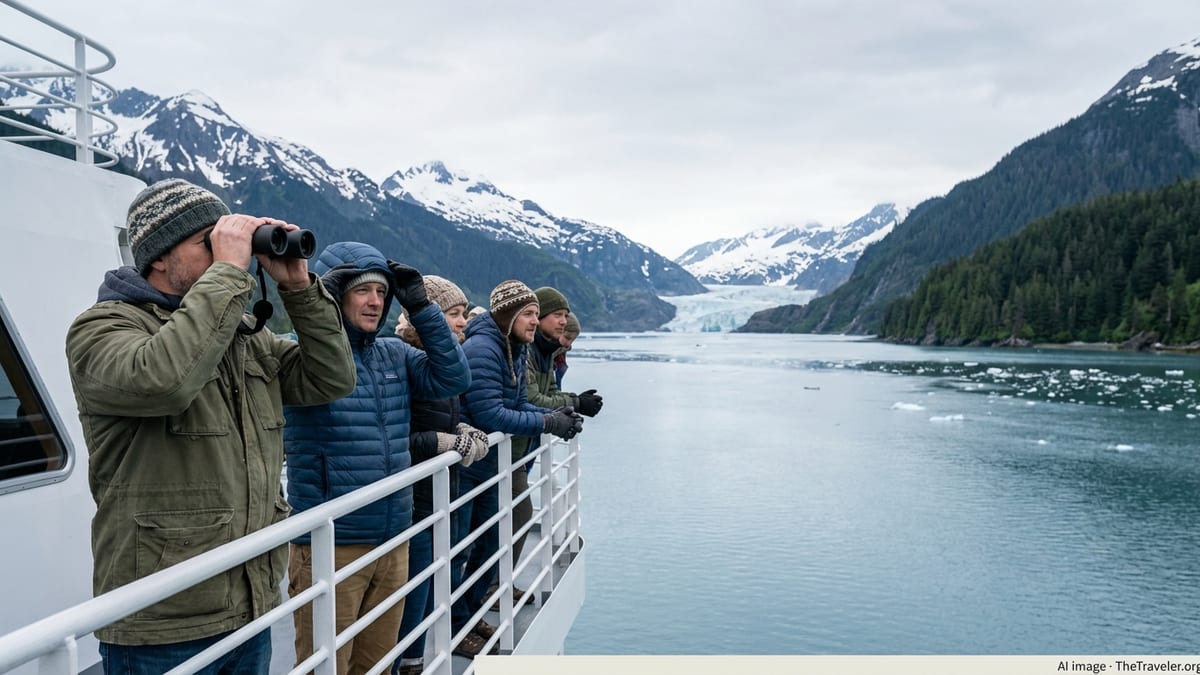
Effective Alaska packing is about layers and staying dry rather than heavy winter gear. A waterproof shell with a hood, a warm mid layer such as fleece or light down, quick drying base layers, and water resistant footwear make a significant difference in comfort, especially on glacier viewing days or small boat trips. Light gloves, a hat that covers the ears, and a compact travel umbrella or pack cover are simple additions that pay off quickly. Cruise passengers in particular often underestimate how chilly it can feel on open decks near glaciers, even in July, when winds funnel down ice filled fjords.
Daylight is another element visitors misjudge. Around the summer solstice, much of Alaska experiences extremely long days, and in some northern regions the sun barely dips below the horizon. While this creates exceptional opportunities for late evening walks and extended sightseeing, it can also disrupt sleep. Travelers unused to bright nights sometimes struggle to rest, especially in accommodations without blackout shades. Conversely, in May or September, daylight is shorter and conditions change rapidly through the month, affecting how much time you have for activities each day.
Plan for both extremes by packing an eye mask, being mindful of your schedule, and accepting that your natural rhythm may shift. Build in time to rest even if it is still light outside, particularly on longer trips. When packing, think about what you would wear on a cool, breezy, and occasionally rainy spring or fall day at home, then add better waterproofing and an extra layer. Preparing for the real climate rather than the romantic idea of summer will keep you comfortable outdoors and make your activities far more enjoyable.
Ignoring Logistics, Distances, and Reservations
Alaska’s infrastructure is well developed in the main visitor corridors, but it remains a state where planning ahead pays off. A frequent first timer error is assuming you can show up and arrange key elements such as rental cars, popular excursions, or national park access at the last minute, especially in mid summer. Rental vehicle fleets in Alaska are limited compared with many lower 48 destinations, and peak availability can sell out months in advance. The same is true for coveted activities like scenic rail segments, glacier and fjord day cruises, flightseeing over Denali, or bear viewing lodges.
Distances between gateways also surprise many visitors. For example, traveling from Anchorage to Denali National Park by road or rail typically takes most of a day. Reaching the Kenai Peninsula, Fairbanks, or the Wrangell St. Elias region also requires hours of transit, and conditions such as road construction, wildlife on the highway, or weather related delays can extend those times. Connecting a southbound or northbound cruise with a land tour involves coordinating ship schedules with limited flight or train options. First time visitors who do not build in buffer days risk missing connections or losing entire experiences to delays.
An additional oversight is not checking what services operate during the exact dates of travel. Some remote lodges, boat operators, and tour companies open later in spring and shut down earlier in fall than the main cruise season. In shoulder months, certain hiking shuttles, ranger programs, or local events may not yet be running or may have reduced frequency. Travelers who book flights first and then try to arrange activities around them sometimes discover that the specific lodge or tour they had in mind is closed or full.
To avoid these pitfalls, research travel times and seasonal opening dates before locking in flights. Reserve rental cars, key excursions, and any specialty lodging as early as your plans allow, particularly for June through August. When connecting cruises and land segments, consider arriving in your embarkation city at least one day before departure and staying a night near disembarkation before flying home. This approach provides a cushion for weather disruptions and lets you start and end your Alaska experience more relaxed and prepared.
Expecting Guaranteed Wildlife, Glaciers, or Northern Lights
The promise of dramatic wildlife, massive glaciers, and vivid northern lights is a major reason people dream of visiting Alaska. A common first timer mistake is treating these natural phenomena as guaranteed features rather than possibilities that depend on timing, weather, location, and chance. Marketing materials often highlight breaching whales, bears feeding in rivers, and glowing aurora filled skies. In reality, you may or may not encounter all of these on a single trip, especially if your visit is short or focused on only one region.
Wildlife viewing, while often rewarding, is never fully predictable. Coastal cruises during summer have a good chance of seeing whales, sea otters, and marine birds, but exact sightings vary from day to day. Bears are more reliably observed at certain salmon streams or from specialized bear viewing lodges at specific times in the season, which may not align with every traveler’s schedule or budget. Visitors who arrive expecting to see multiple large mammals on every outing may feel disappointed even after a genuinely successful trip simply because their expectations were unrealistic.
Glaciers are similarly impressive but subject to conditions. Many cruise itineraries include glacier viewing days in national parks or fjords, yet fog, heavy rain, or ice conditions can limit how close ships can safely approach. Small boat tours that get nearer to tidewater glacier faces may cancel or alter routes if weather or sea state becomes unsafe. Glacier hiking or ice climbing excursions depend on stability and safety assessments made day by day. Experienced operators will prioritize passenger safety, which can mean last minute changes that frustrate visitors who saw perfect photos online.
The northern lights require even more alignment of factors: dark skies, geomagnetic activity, and clear weather. During the main summer visitor season, long daylight hours in much of Alaska severely limit aurora visibility. Even in late August and September in the Interior, several variables must coincide for a good display, and there are no guarantees. The best way to approach all of these natural highlights is to view them as potential bonuses rather than guaranteed features. Choose itineraries and activities that you would enjoy even without a particular sighting, and if nature does deliver a spectacular moment, it will feel like the gift it truly is.
Overlooking Cultural, Local, and Safety Considerations
Another subtle but important mistake is treating Alaska purely as a scenic backdrop and overlooking the people who live there, including Indigenous communities whose cultures have deep roots in the region. First time visitors sometimes move between cruise ports and lodges without engaging with local history, contemporary life, or the environmental challenges facing the state. This can lead to a one dimensional understanding of Alaska as “wilderness only,” missing a rich layer of meaning that comes from listening to residents, visiting cultural centers, and learning about local perspectives on land, wildlife, and development.
Simple choices can make a difference. Seeking out locally owned restaurants, galleries, and tour operators supports community economies and often results in more personal experiences. Scheduling time for a museum, cultural center, or guided walking tour can provide context that enhances your appreciation of the landscapes you are seeing. When visiting Indigenous cultural demonstrations or villages, approaching with respect, asking permission before photographing people, and being mindful of sacred or restricted areas are basic practices that help ensure tourism remains welcome.
Safety is another area where visitors sometimes underestimate Alaska. The state’s rugged terrain, cold waters, and remote settings demand a more cautious approach than many typical vacation destinations. Hiking off established trails without telling anyone your plans, approaching wildlife too closely for photographs, or venturing out on glacial ice without a qualified guide can all carry serious risks. Similarly, boating, kayaking, or stand up paddleboarding in cold, fast moving waters should only be attempted with appropriate gear, experience, and local knowledge.
Respecting posted guidance from rangers, captains, and guides is essential. Maintain safe distances from wildlife, adhere to bear aware practices in backcountry settings, and dress properly for conditions even on short excursions. Alaska rewards those who prepare and listen. By approaching its landscapes and communities with humility and caution, you will not only keep yourself safer but also help preserve the very experiences you came to enjoy.
The Takeaway
For many travelers, a first trip to Alaska is a long anticipated journey that may not be repeated soon. Avoidable mistakes such as misjudging the season, overscheduling, choosing the wrong type of cruise, or underestimating weather and logistics can erode the magic of the experience. Yet none of these pitfalls are inevitable. With realistic expectations and thoughtful planning, even a relatively short visit can feel rich and unhurried.
Start by clarifying your priorities: whether they lean toward wildlife, landscapes, cultural experiences, or simply being on the water. Let those priorities guide your choice of month, itinerary style, and pace, rather than trying to fit every famous name into a single trip. Pack for cool, variable conditions, reserve key services early, and allow space in your schedule for rest and for weather. Above all, approach Alaska as a living place rather than a checklist. Doing so will help transform your first visit from a rushed tour into an experience that feels grounded, memorable, and worthy of the destination’s grandeur.
FAQ
Q1. How many days should a first time visitor spend in Alaska?
For a first visit, many travelers find 7 to 10 days workable, but more time allows a more relaxed pace. If possible, consider 10 to 14 days to combine one cruise or coastal route with one land region without feeling rushed.
Q2. What is generally the best month for a first trip to Alaska?
There is no single best month, but late May to mid June and late August to mid September often balance moderate crowds, active wildlife, and reasonable prices. Mid summer offers the warmest temperatures and longest days but also higher costs and busier ports.
Q3. Do I need a rental car, or can I rely on trains and tours?
It depends on your itinerary and travel style. Trains, buses, and organized tours can cover popular routes such as Anchorage to Denali or the Kenai Peninsula, but a rental car gives flexibility to stop at viewpoints, visit smaller trailheads, and adjust plans to weather. In peak season, reserve vehicles well in advance.
Q4. Is an Alaska cruise or a land trip better for a first time visitor?
Each offers something different. Cruises highlight coastal scenery, glaciers, and marine wildlife with comfortable transport, while land trips provide more time in national parks, small towns, and Interior landscapes. Many first timers enjoy a combination of a one way cruise with several days on land before or after.
Q5. Will I definitely see bears and whales on my trip?
Sightings are common in the right areas and seasons but never guaranteed. Summer coastal cruises often see whales and marine mammals, while bears are more reliably viewed on targeted bear viewing trips or at certain salmon streams. Treat any wildlife encounter as a bonus rather than a promise.
Q6. How cold is Alaska in summer, and what should I pack?
Summer temperatures along the coast usually range from cool to mild, often in the 50s and low 60s Fahrenheit, and it can feel colder in wind and rain. Pack layered clothing, including a waterproof jacket, warm mid layer, hat, gloves, and comfortable waterproof or water resistant footwear.
Q7. Can I see the northern lights on an Alaska cruise?
During the main cruise months of late spring through mid summer, nights in many cruise regions are too bright for consistent northern lights viewing. Late season sailings and land stays in Interior Alaska in early fall offer a better chance, but even then sightings depend on darkness, clear skies, and solar activity.
Q8. How far in advance should I book my Alaska trip?
For peak summer travel, it is wise to begin planning 9 to 12 months ahead, especially for popular cruises, rental cars, and specialty lodges. Shoulder season travel may offer a bit more flexibility but still benefits from early booking for key experiences.
Q9. Is Alaska safe for independent travelers and families?
Alaska is generally safe for visitors who respect local conditions and follow common sense precautions. The main risks come from weather, terrain, and wildlife, not from other people. Staying on marked trails, following guide and ranger advice, and preparing for conditions makes independent and family travel very feasible.
Q10. How can I be a respectful and responsible visitor in Alaska?
Support locally owned businesses where you can, learn about the cultures and histories of the places you visit, and follow Leave No Trace principles outdoors. Give wildlife plenty of space, follow all regulations in parks and on the water, and listen to local guidance about safety and culturally sensitive areas.