

MSC Cruises has rapidly expanded across the Caribbean, offering everything from three-night Bahamas getaways to extended journeys through the Eastern, Western, and Southern Caribbean. For travelers considering an MSC sailing out of Florida or other regional ports, understanding how these routes work, what the ships are like, and what to expect ashore can make the difference between a good vacation and a great one.
How MSC Cruises Fits Into the Caribbean Cruise Landscape
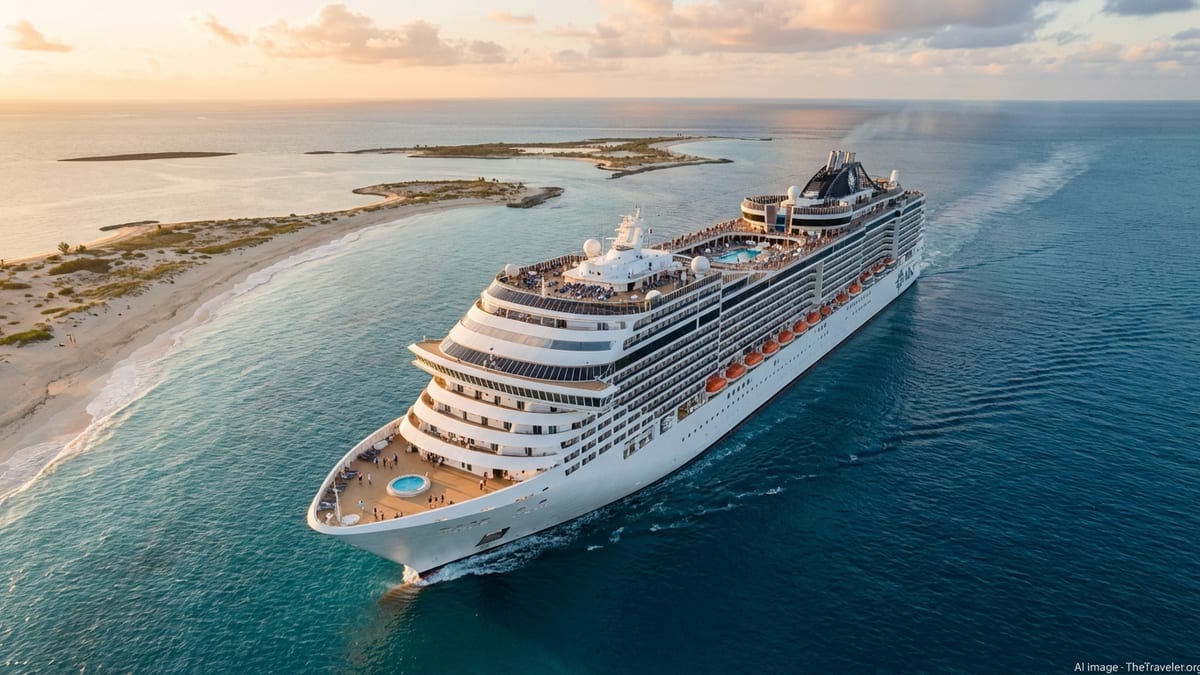
MSC Cruises has shifted from being primarily a European line to a major player in the Caribbean, with ships now homeported in key Florida ports such as Miami and Port Canaveral. The line continues to increase capacity in North America, deploying some of its newest and largest vessels on year-round or seasonal Caribbean programs. This growing presence means more choice in itinerary lengths, ship styles, and sailing dates for travelers.
Unlike some competitors focused on a single port or region, MSC tends to spread its ships across both short Bahamas cruises and longer Caribbean voyages. You will see large resort-style ships assigned to the most popular seven-night Eastern and Western Caribbean routes, with additional vessels dedicated to three- and four-night loops that concentrate on the Bahamas and MSC’s private island. This network approach gives guests flexibility to choose anything from a quick long weekend to a more immersive two or three-week exploration.
MSC’s Caribbean expansion has also aligned with the launch of newer, LNG-ready World-class ships designed for the North American market. These larger vessels often run alternating Eastern and Western Caribbean itineraries, returning to the same homeport each week. At the same time, ships such as MSC Seaside and MSC Grandiosa have been assigned to Florida to operate a mix of short Bahamas runs and week-long Caribbean routes that regularly include Ocean Cay, the line’s private marine reserve in the Bahamas.
For North American passengers, the practical result is a steadily increasing number of embarkation options and a broader selection of itineraries than just a few years ago. While schedules for specific seasons change and ships are periodically repositioned, the overall trend is clear: MSC is investing heavily in the Caribbean and treating it as a core market, not just a seasonal extension of its European operations.
Key Caribbean Itineraries: Eastern, Western, and Southern Routes
Most MSC Caribbean sailings fall into three broad categories: Eastern Caribbean, Western Caribbean, and Southern Caribbean. Eastern Caribbean routes typically include ports such as San Juan in Puerto Rico, Philipsburg in St. Maarten, and various U.S. Virgin Islands or British Virgin Islands ports, often paired with a stop at Ocean Cay. These itineraries emphasize beaches, shopping, and easy-going island exploration, with relatively short sailing distances and plenty of time ashore.
Western Caribbean sailings usually visit ports like Cozumel in Mexico, Roatán in Honduras, and destinations in the Cayman Islands or Jamaica. These routes appeal to travelers interested in snorkeling, diving, and active excursions, as well as those who want to see Mayan archaeological sites or lush tropical landscapes. From Florida, these itineraries often include a sea day at the start and end of the voyage, along with a visit to Ocean Cay or another Bahamas port on some sailings.
Southern Caribbean itineraries, including extended sailings that MSC has announced for winter seasons, venture farther afield to ports such as Aruba, Bonaire, and Curaçao, as well as calls along the Caribbean coasts of Central and South America. These longer voyages often span 10 or more nights and attract travelers looking for a more in-depth exploration, with fewer repeat ports and a more diverse mix of cultures and landscapes. Because of the extra distance involved, these sailings tend to include multiple sea days, which give guests time to fully experience the ship.
In practice, you may also encounter combination itineraries that weave together Eastern and Western ports over 11 or more nights, or back-to-back sailings that repeat certain destinations while adding variety with different ports mid-cruise. The exact mix of ports depends on the ship and season, but MSC generally designs Caribbean routes to combine at least one or two marquee islands with a stop at Ocean Cay on many departures, especially those from Florida.
Homeports and Ships: Where MSC Caribbean Cruises Begin
For most travelers, the Caribbean journey with MSC begins in Florida. PortMiami remains the primary gateway, with some of the line’s flagship vessels homeported there for year-round or winter-season service. From Miami, you will find seven-night Eastern and Western Caribbean sailings, along with longer itineraries and occasional repositioning cruises that link the Caribbean with Europe or South America. Miami is also a major base for three- and four-night Bahamas sailings that are popular with first-time cruisers and weekend travelers.
Port Canaveral, near Orlando, has grown into another key MSC hub in recent years. Ships deployed here typically offer week-long Caribbean itineraries paired with shorter Bahamas-focused cruises. This port is particularly convenient for families who want to combine a cruise with central Florida theme parks, or for those who prefer a less congested embarkation experience than Miami. Port Canaveral’s proximity to Orlando’s airport and tourist infrastructure makes it an accessible alternative for domestic and international travelers alike.
The ships serving these ports range from large resort-style vessels such as MSC World America and MSC Grandiosa to slightly smaller, more traditional ships like MSC Seaside. The newest ships usually feature the largest variety of dining venues, entertainment options, and family-focused amenities, along with expanded MSC Yacht Club suites and upgraded spa facilities. Older or mid-sized ships still offer the core MSC experience but may have fewer specialty restaurants or a more compact layout.
Across the fleet, Caribbean itineraries are structured so that ships return to their homeport on the same weekday each week, simplifying air travel planning and allowing back-to-back cruisers to combine routes. Because deployment plans change periodically, it is wise to check which specific ship is operating your preferred itinerary and to review its deck plan and features so that your expectations align with what is actually onboard.
Ocean Cay MSC Marine Reserve and Typical Port Experiences
Ocean Cay MSC Marine Reserve, the line’s private island in the Bahamas, has become a centerpiece of many MSC Caribbean itineraries. The island is designed as a beach and nature-focused destination, with long stretches of white sand, shallow turquoise waters, and multiple beach areas to spread out crowds. Unlike some highly developed private islands in the region, Ocean Cay maintains a relatively relaxed, laid-back atmosphere, emphasizing swimming, snorkeling, and lounging rather than high-octane attractions.
Ships often arrive at Ocean Cay in the morning and remain into the evening, allowing guests to enjoy both daytime beach activities and nighttime events such as lighthouse light shows or live music. Food service on the island typically includes buffet options and limited venues that are an extension of the ship’s catering operation. Bars operate using the same beverage packages available on board, which simplifies budgeting for guests who have already purchased a drink plan.
Outside of Ocean Cay, the experience in Caribbean ports varies widely. In Nassau, for example, you can expect a bustling harbor city with shopping, historic sites, nearby resorts, and shore excursions focused on water activities or resort day passes. In ports such as Cozumel or Roatán, the emphasis is often on reefs, snorkeling, and adventure excursions like ziplining or ATV tours. Further south, destinations including Aruba or Curaçao offer a mix of colorful historic districts, beaches, and cultural attractions.
When planning port days, it is worth remembering that MSC tends to offer a similar mix of excursions to other major cruise lines: beach breaks, snorkeling trips, sightseeing tours, and active adventures, usually contracted through local operators. However, MSC’s pricing and excursion availability can differ from competitors, and some independent operators in popular ports have experience working with MSC guests. As with any Caribbean cruise, you can choose between booking directly through the cruise line for added convenience and protection, or arranging independent tours for more flexibility.
Life Onboard MSC in the Caribbean: Atmosphere, Dining, and Entertainment
The onboard experience on MSC’s Caribbean routes blends the line’s European roots with an increasing focus on North American preferences. You can expect a more international passenger mix than on some U.S.-based competitors, with announcements often delivered in several languages and a broader range of cultural influences in entertainment and cuisine. This creates a slightly different onboard atmosphere, where you may hear multiple languages around the pool deck and in lounges, and where dining menus emphasize Mediterranean flavors alongside familiar American favorites.
Dining on Caribbean sailings typically revolves around the main dining rooms, buffet, and a selection of specialty restaurants that can include steakhouses, sushi bars, teppanyaki, and Mediterranean-inspired venues. While exact offerings vary by ship, MSC tends to encourage guests to purchase specialty dining packages if they plan to dine in these venues more than once or twice per cruise. Casual options near the pool are important on warm-weather itineraries, and you can usually find pizza, burgers, and other grab-and-go dishes throughout the day.
Entertainment on Caribbean routes includes production shows in the main theater, live music in lounges, poolside activities, and late-night parties that may feature themes, DJs, or outdoor celebrations. The line often schedules Caribbean or white-themed deck parties on warm sea days or evenings, taking advantage of the tropical setting. For families, water parks, kids’ clubs, and teen spaces remain busy, particularly on sea days when many guests stay onboard instead of disembarking in port.
Because Caribbean itineraries are so sun-focused, outdoor spaces play a central role in the onboard experience. Pool decks, solariums, and promenade-style waterfront areas are designed to keep guests connected to the sea, with bars and casual dining just steps away. On the newest ships, you may also find expansive infinity pools, aft-facing terraces, and shaded lounge areas that provide respite from the midday sun while still offering ocean views.
Choosing the Right MSC Caribbean Cruise for Your Travel Style
Selecting the best MSC Caribbean route begins with matching itinerary length and port mix to your travel style. If you are new to cruising or have limited time, a three- or four-night Bahamas sailing with a day at Ocean Cay can serve as an easy introduction, requiring fewer days off work and less planning. These shorter cruises often have a lively, weekend-like energy and may attract more first-time cruisers, groups of friends, and families testing whether cruising suits them.
Travelers seeking a more balanced vacation that mixes sea days with multiple ports usually gravitate toward seven-night Eastern or Western Caribbean itineraries. These cruises offer enough time to settle into shipboard routines, sample specialty dining, and enjoy several ports without feeling rushed. They are also better suited to combining with a land stay before or after the voyage, particularly in Florida, where theme parks and beaches are within easy reach of the main homeports.
For those who value variety and deeper exploration, extended itineraries of 10 nights or more can deliver a more nuanced Caribbean experience. These routes often include Southern Caribbean islands and sometimes touch the coasts of Central or South America. While longer sailings require more vacation time and a larger overall budget, they can offer better value per night and reach ports that are rarely included on standard one-week cruises.
Beyond itinerary length, it is important to consider ship size, onboard features, and your tolerance for crowds and sea days. Larger ships bring more dining, entertainment, and water park options but also concentrate more passengers at pools and buffets during peak hours. Smaller or mid-sized ships may feel more manageable, with easier navigation between venues and potentially quieter public spaces. Matching your expectations about onboard energy level, dining choice, and quiet spaces to the specific ship and route will help ensure a more satisfying experience.
Practical Planning Tips for MSC Caribbean Routes
When planning an MSC Caribbean cruise, timing and logistics matter almost as much as the itinerary itself. Winter months from roughly December through March are typically the peak season, coinciding with school holidays and periods when travelers from colder climates seek warmer weather. Prices can rise during holidays and school breaks, while shoulder seasons in late spring and fall may offer more competitive fares but come with greater chances of rain or tropical weather disturbances.
Air travel arrangements should factor in the risk of delays, especially in winter and during the Atlantic hurricane season. Many experienced cruisers choose to arrive in the homeport city at least one day before embarkation, reducing stress and ensuring they can board even if flights are disrupted. For sailings from Miami or Port Canaveral, this pre-cruise day can double as an opportunity to explore local beaches, neighborhoods, or attractions before boarding.
Budgeting for an MSC Caribbean route requires looking beyond the base fare. Gratuities, beverage packages, specialty dining, Wi-Fi, shore excursions, and spa treatments can significantly increase the overall cost. MSC frequently promotes package deals that bundle some of these elements, and it is worth comparing add-on pricing carefully. Travelers who are comfortable limiting onboard extras or spending more time on the ship rather than booking numerous excursions can keep ancillary costs under closer control.
Finally, it is advisable to monitor itinerary updates in the months leading up to your sailing. Cruise lines occasionally adjust routes due to port construction, capacity changes, or operational considerations. While core Caribbean destinations tend to remain consistent, specific ports and call sequences can shift. Keeping a flexible mindset about port changes, particularly during hurricane season, will help you enjoy the overall experience even if the itinerary evolves slightly.
The Takeaway
MSC Cruises’ Caribbean routes offer an increasingly wide spectrum of options, from quick escapes to in-depth explorations spanning multiple regions of the Caribbean basin. By understanding the differences between Eastern, Western, and Southern itineraries, recognizing how homeports like Miami and Port Canaveral structure their sailings, and aligning ship choice with your own preferences, you can select a cruise that fits both your budget and travel style.
Travelers can expect a distinctly international onboard atmosphere, a strong emphasis on outdoor spaces and beach time, and frequent calls at Ocean Cay MSC Marine Reserve, which anchors many of MSC’s Caribbean programs. While exact ship deployments and port lineups evolve from season to season, the underlying experience remains constant: warm-weather sailing, diverse island cultures, and the opportunity to tailor your days between relaxed sea time and active shore excursions.
With thoughtful planning, realistic budgeting, and an open approach to both sea days and port days, MSC’s Caribbean routes can provide a compelling alternative to more familiar North American cruise brands. Whether you are looking for a first-time cruise introduction or a longer itinerary that ventures deeper into the Caribbean, MSC offers a growing portfolio of routes that are well worth considering for your next warm-weather holiday.
FAQ
Q1. Are MSC Caribbean cruises suitable for first-time cruisers?
Yes. Short three- and four-night Bahamas itineraries, especially those visiting Ocean Cay, are popular with first-time cruisers who want a low-commitment introduction to cruising.
Q2. How far in advance should I book an MSC Caribbean itinerary?
Booking six to twelve months in advance usually provides a good balance of cabin choice and pricing, though popular holiday and school break dates can sell out earlier.
Q3. Do most MSC Caribbean routes include Ocean Cay MSC Marine Reserve?
Many, but not all, Florida-based itineraries include a stop at Ocean Cay. It is important to check the specific day-by-day schedule before you book if the island is a priority.
Q4. What is the dress code like on MSC ships in the Caribbean?
Daytime is casual resort wear. Evenings range from smart-casual to optional dressier nights, with at least one or two evenings where many guests choose more formal clothing.
Q5. Is English widely spoken onboard and in Caribbean ports?
Yes. English is widely used onboard for crew communication and in most Caribbean ports visited by MSC, although you will also hear other languages among guests and locals.
Q6. How child-friendly are MSC Caribbean cruises?
They are generally very family-friendly, with kids’ clubs, water features, and family cabins on many ships. School holidays and summer sailings tend to have a higher number of children onboard.
Q7. Are beverage packages worth it on a Caribbean sailing?
Value depends on your consumption habits. In warm-weather itineraries where guests often enjoy cocktails, soft drinks, or specialty coffees, many find a package cost-effective.
Q8. What is the best time of year to cruise the Caribbean with MSC?
Winter months typically offer pleasant temperatures and strong demand. Shoulder seasons can bring lower prices but may also coincide with periods of unsettled weather.
Q9. Can I explore ports on my own instead of booking MSC excursions?
In many ports it is straightforward to explore independently using local taxis, public beaches, or private tour operators, though some remote activities are easier through ship-sponsored excursions.
Q10. How often do MSC Caribbean itineraries change?
Deployment is reviewed regularly, and routes may shift every season or two. While core Caribbean destinations remain consistent, individual ports and ships on specific routes can change over time.