

MSC Cruises has grown from a largely European secret into one of the world’s fastest expanding cruise lines, with new ships, US homeports and a private island in the Bahamas. For travelers, that rapid growth means more choice and often very competitive fares, but also a product that can feel unfamiliar compared with American lines like Royal Caribbean, Carnival or Norwegian. This guide walks you through everything you need to know about MSC Cruises before you book, from choosing the right ship and cabin to understanding drink packages, dress codes, extra charges and what to really expect on board.
Who MSC Cruises Is For
MSC Cruises positions itself as a contemporary, family-friendly brand with a distinctly international flavor. On any given sailing you are likely to hear multiple languages around you and find a mix of guests from North America, Europe and Latin America. That cosmopolitan atmosphere is one of MSC’s signatures and is especially noticeable on sailings from European ports, where North Americans may be in the minority. On US-based itineraries out of Miami, Port Canaveral, New York or Galveston the passenger mix still feels global but with a stronger American presence.
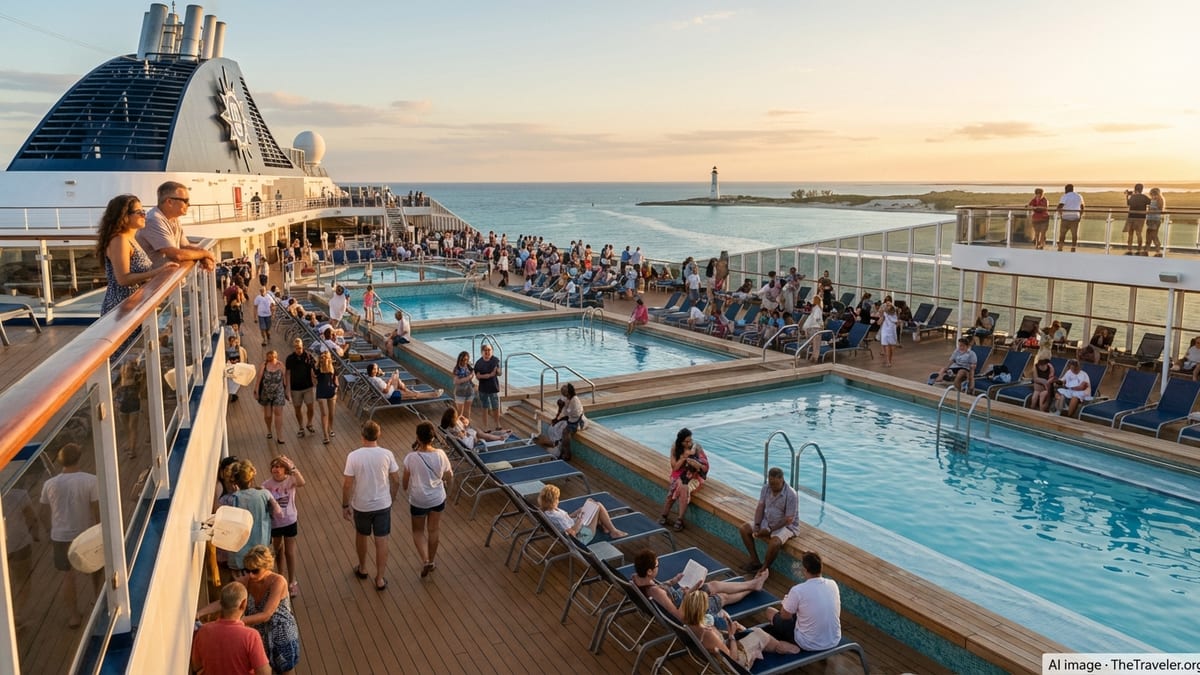
The onboard experience tends to combine European style with mainstream resort fun. You will find large waterparks, rope courses, arcades and kids clubs sitting alongside stylish atriums, espresso bars and long evening promenades. MSC actively courts families with children through generous kids sail free promotions on many departures, as well as extensive children’s programming and partnerships with brands such as LEGO and Formula 1 simulators on select ships. At the same time, couples and groups of friends gravitate to the line for its nightlife, outdoor spaces and value pricing.
If you enjoy a quieter, more traditional cruise experience with few announcements and limited late-night activity, some of MSC’s newest megaships may feel busy. On the other hand, if you like high-energy pool decks, big theater productions and lots of bars and lounges to sample, the newer ships in particular deliver that resort-like vibe. Travelers who appreciate European-style dining, including longer dinners and later evening schedules, often find MSC a good match.
MSC is also consciously building its reputation with American travelers by designing ships and itineraries with the US market in mind. MSC World America, for example, was tailored around American preferences, with seven themed “districts” and a broad mix of dining and entertainment, while still retaining the line’s European design touches and multilingual service culture.
Fleet, Ship Styles and Itineraries
MSC operates one of the cruise industry’s most modern and fast-growing fleets, with a mix of large megaships and more mid-sized vessels. By the end of this decade, the company plans to have close to 27 ships in service across several ship classes ranging from older, smaller vessels to cutting-edge World Class ships carrying more than 6,000 guests. The overall feel differs noticeably between the various classes, so it is worth paying attention to the specific ship you are booking rather than just the itinerary.
The newest megaships, including MSC World Europa, MSC Euribia and MSC World America, are designed with big-ship amenities in mind: multi-deck indoor promenades, expansive pool decks, waterparks, thrilling dry slides, themed neighborhoods and an unusually large number of bars and restaurants. These ships tend to homeport in major hubs such as Miami, offering week-long Caribbean itineraries that often include a call at Ocean Cay MSC Marine Reserve, the line’s private island in the Bahamas.
Slightly older but still very modern classes such as the Meraviglia and Seaside ships offer a blend of indoor and outdoor spaces, with promenade decks designed to keep you close to the sea, large pool areas and sizable kids zones. You will find these ships deployed across the Caribbean, Mediterranean and Northern Europe, as well as repositioning voyages across the Atlantic in spring and fall. Older, smaller vessels may lack some of the flashier attractions but can reach ports that megaships cannot, especially in the Mediterranean, Canary Islands and South America.
From North America, MSC focuses heavily on the Caribbean and Bahamas, with departures primarily from Miami and Port Canaveral and expanding from Galveston and New York. In Europe, the line is a major player in the Mediterranean, offering multiple ships year-round and seasonally in Northern Europe, the Canary Islands and beyond. It also offers sailings in the Arabian Gulf, South America and South Africa. If visiting MSC’s private island is a priority, check that your chosen itinerary specifically lists Ocean Cay MSC Marine Reserve, as not every voyage includes it.
Life On Board: Atmosphere, Dining and Entertainment
The onboard atmosphere on MSC Cruises generally feels lively and social, particularly on sea days and in the evenings. Pool decks tend to be busy in warm-weather regions, with music, games and dance activities. Indoors, the central atriums and promenades are gathering points where you will find live music, cocktail bars, coffee shops and people dressed up for photographs on formal nights. Announcements are typically made in several languages, reflecting the international passenger base, which can surprise first-time MSC guests who are used to English-only announcements on US-focused lines.
Dining on MSC blends European and international influences. Main dining rooms serve multi-course dinners included in your fare, with menus that might feature Italian pastas and risottos, Mediterranean-inspired seafood, steakhouse-style dishes and regional specialties. Buffet restaurants are more casual and flexible, usually open for most meal periods and featuring a rotating mix of American comfort food, Mediterranean dishes, salads, pizza and desserts. Vegetarian options are common, and special diets can usually be accommodated with advance notice.
Specialty restaurants vary by ship but often include steakhouses, sushi and teppanyaki venues, seafood spots, Latin-inspired eateries or other themed venues. These come with an extra charge, either a la carte or fixed-price menus, and are popular on longer voyages. Reservations are recommended, especially on the newest ships where specialty dining is in high demand. Coffee bars and gelato counters are another staple, reflecting the line’s Italian heritage, and these are typically priced a la carte unless covered by a specific package.
Entertainment is a major focus for MSC. Expect nightly production shows in the main theater, live music in multiple lounges, and themed parties on deck or in the promenade. Larger ships feature additional attractions such as interactive game shows, virtual reality experiences, arcades, sports courts and, on some vessels, impressive water slides or dry slides running several decks. Children and teens are well catered for with age-segmented clubs, often supported by LEGO themed play areas and dedicated spaces for teenagers, including video game corners and late-night hangouts.
Cabins, MSC Experiences and the Yacht Club
MSC’s cabins range from simple interior staterooms to expansive multi-room suites. Beyond the usual choice of inside, oceanview, balcony and suite categories, MSC layers on a structure called “experiences,” which bundle specific cabin types with different levels of included benefits. The available experiences can vary by ship and itinerary but commonly include options such as Bella, Fantastica and Aurea. Each level typically adds perks around dining flexibility, cabin location and included extras.
Bella experience cabins are usually the entry-level option, often located in less central parts of the ship. They generally include standard main dining assignments and limited ability to choose specific dining times. Fantastica cabins tend to be in more desirable locations, with slightly more dining flexibility and added amenities that might include room service breakfast or priority for dining time requests, depending on the ship. Aurea experience cabins usually include enhanced locations, such as near the spa or with better balcony positions, along with added benefits like flexible dining times and some included wellness perks or priority services.
At the top of the hierarchy sits MSC Yacht Club, a ship-within-a-ship concept found on many of the larger vessels. Yacht Club guests stay in suites located in a dedicated complex at the front of the ship with its own lounge, pool and restaurant. They typically enjoy butler service, a more private sun deck, priority embarkation and disembarkation, and an elevated level of service compared with the rest of the ship. Crucially, Yacht Club guests still have full access to the rest of the ship’s amenities, so it can be an appealing choice for travelers who value both quiet, upscale spaces and the energy of a large resort ship.
When choosing a cabin, consider not just size but also your tolerance for noise and traffic. Cabins directly under busy pool decks, theaters or nightclubs may experience more sound, especially late into the evening. Midship locations on lower to mid decks often provide a good balance of stability and convenience. Balcony cabins are especially popular on itineraries with scenic cruising, while inside cabins can represent excellent value for travelers who expect to spend most of their time in public spaces.
Pricing, What Is Included and Understanding Extras
MSC is often competitively priced compared with major North American rivals, especially on newer ships where the cruise fare may look attractive but many extras are sold a la carte. Your base fare generally includes your cabin, main dining room meals, buffet dining, most onboard entertainment and use of many facilities such as pools, basic fitness center access and kids clubs. However, there are several categories of extras that can significantly affect the total cost of your holiday if you do not plan for them in advance.
Beverages are one of the most important areas to understand. MSC offers several beverage packages, typically including a Premium Extra Package with a wide range of alcoholic and non-alcoholic drinks up to a certain price limit per glass, an Alcohol-Free Package and packages for minors. These packages are usually purchased for the full length of the cruise and for all guests in the same cabin above a certain age. Gratuities for drinks are built into the package pricing, which simplifies budgeting even if the up-front cost feels significant. For many cruisers who enjoy several drinks per day, a package can offer peace of mind and potential savings versus paying per drink.
Specialty dining, spa treatments, shore excursions, certain fitness classes, Wi-Fi and some onboard activities come with additional charges. Internet packages are often tiered by speed or device count, so think realistically about how much connectivity you need. Families should budget for arcade games, photo packages and optional kids experiences beyond the standard clubs. Port taxes and government fees are typically added to the cruise fare during booking, while daily service charges or gratuities may be automatically applied to your onboard account depending on your country of residence and booking terms.
Because the structure of inclusions can vary slightly between markets, it is wise to read the fare conditions on the MSC site or through your travel advisor rather than assuming everything works exactly as it does on another cruise line you know. Promotions sometimes bundle Wi-Fi and drinks with the fare on specific sailings, while at other times those same items are offered only as add-ons. Taking a few minutes before booking to compare the cost of a bare-bones fare plus selected extras versus a bundled promotion can make a noticeable difference to your final bill.
Ocean Cay and Other Signature Experiences
One of MSC’s standout features for Caribbean cruises is Ocean Cay MSC Marine Reserve, the company’s private island destination in the Bahamas. Formerly an industrial sand extraction site, the island was rehabilitated and opened to guests in late 2019. Ocean Cay is designed as a low-rise, beach-focused retreat with multiple beaches, calm lagoons, bars, dining venues and water-based activities spread across the island. Ships dock directly alongside a long pier, so guests can walk on and off the vessel without tenders, which makes it easy to take breaks between beach time and shipboard comforts.
Ocean Cay’s concept centers on both relaxation and marine conservation. Guests can simply enjoy soft sand beaches, clear water and beach bars, or opt for activities such as snorkeling, paddleboarding and guided nature walks. Evening stays are a hallmark of many itineraries, with the island remaining open after sunset for lighthouse light shows, beach parties and stargazing experiences. MSC has continued to invest in the destination, developing a Marine Conservation Center with exhibits and programs focused on coral restoration and reef health, alongside educational activities for adults and children.
Looking ahead, MSC has signaled plans to further expand its presence in the Bahamas with an additional island development near Ocean Cay that is expected to focus on a more upscale, nature-forward experience. While details continue to evolve, the combined effect is that Caribbean sailings on MSC increasingly revolve around these private destinations, giving the line greater control over the guest experience on key days of your cruise. If spending a day on a relatively uncrowded beach with familiar shipboard services appeals to you, choosing an itinerary that includes Ocean Cay can be a strong draw.
Beyond the Bahamas, MSC offers other signature elements depending on region and ship. In the Mediterranean, that might mean late-night departures from ports like Barcelona or Naples, allowing time for evening strolls and dinners ashore. In Northern Europe, itineraries may emphasize scenic fjords or Baltic capitals. Onboard, the line has been rolling out new themed entertainment, wellness programming and interactive technology experiences on its newest ships and at private destinations to create memorable moments that differentiate MSC from its competitors.
Sustainability, Technology and New Developments
MSC positions itself as a company investing heavily in newer, more efficient ships and environmental technologies across its fleet. Several of its latest vessels are powered by liquefied natural gas, a lower-emission fuel compared with traditional marine oil, and incorporate systems designed to reduce energy use through optimized hull designs, advanced wastewater treatment and smart heating and cooling controls. The company states that it is tracking toward international targets for reducing carbon intensity and highlights certifications related to energy management on many of its ships.
Shore power connectivity is another area of focus. Newer MSC vessels are equipped to plug into compatible electrical grids in port, allowing engines to be shut down while docked where infrastructure exists. This can significantly reduce local air and noise emissions during port stays. The line has also invested in new terminals, such as its large facility in Miami, designed with shore power connections and energy-efficient features, and continues to work with ports in Europe and elsewhere to expand the availability of these systems.
Digital tools are gradually changing the way itineraries are planned and how ships are operated. MSC has implemented systems that analyze large amounts of data from ship operations to fine-tune routes, speeds and onboard energy consumption. For guests, that technological investment may show up less visibly in reduced fuel usage and more in smoother operations, more punctual arrivals and departures, and sometimes in app-based services such as onboard account management, excursion booking and restaurant reservations, depending on the ship.
New ships entering the fleet in the next few years are expected to build on these trends, with additional LNG-powered vessels, expanded family and entertainment offerings, and more seamless integration between shipboard experiences and private destinations such as Ocean Cay. For travelers, the practical implication is that MSC’s product will likely continue to evolve, so researching the specific features of your ship and sailing year is increasingly important, especially if you are booking far in advance.
How to Choose the Right MSC Cruise for You
Selecting the right MSC cruise starts with being honest about your travel style and priorities. If you are drawn to cutting-edge attractions, large pool decks and an energetic environment, focus on the newest and largest ships, particularly those in the World Class and Meraviglia families. These vessels tend to sail popular week-long Caribbean or Mediterranean itineraries and will offer the widest range of dining, entertainment and family amenities. If you prefer a slightly calmer experience and value ports over shipboard thrills, consider mid-sized or older ships on itineraries that emphasize destination time, such as longer Mediterranean sailings or repositioning voyages.
Next, think about how important cabin type and included perks are to your enjoyment. Travelers who plan to spend limited time in their room might be perfectly happy with an interior cabin and a Bella or Fantastica experience, using savings to fund shore excursions or a beverage package. Those who value balcony time, spa access or premium locations may find the Aurea experience worthwhile. If you want a more all-inclusive, boutique environment but still want access to a big ship’s features, the Yacht Club can deliver a different level of comfort, with its private pool deck, lounge and dining, along with priority services across the ship.
Finally, pay close attention to itinerary details, especially in regions with many similar-looking options. In the Caribbean, note which ports are included, how much time you have in each and whether Ocean Cay is part of the route. In Europe, look not just at the cities but at arrival and departure times, as late evenings in port can make a big difference to your experience. Consider seasonal factors as well: school holidays, major events and regional climates all influence crowd levels and pricing. Consulting a knowledgeable travel advisor or comparing several departures side by side can help you match ship, cabin and route to your expectations and budget.
The Takeaway
MSC Cruises offers a distinct blend of European style, family-friendly amenities and aggressive pricing that can be very appealing if you understand the product in advance. Its ships range from intimate older vessels to brand-new megaships packed with attractions, and the experience can vary significantly depending on which one you choose. Ocean Cay MSC Marine Reserve and expanding US homeports give North American travelers more convenient access to the brand, while MSC’s strong presence in the Mediterranean and other regions makes it a serious contender for international itineraries as well.
Before you book, think carefully about the atmosphere you want, how much structure versus flexibility you prefer at meals, and how comfortable you are with an international, multilingual environment. Factor in the cost of beverages, Wi-Fi, specialty dining and gratuities, and compare bundled offers with bare-bones fares plus add-ons. If you align the right ship, cabin category and itinerary with your travel style, an MSC cruise can deliver excellent value along with a refreshing change of pace from more familiar North American lines.
FAQ
Q1. Is MSC Cruises a good choice for first-time cruisers from North America?
Yes, especially on newer ships sailing from US ports, but first-timers should be aware of the line’s international atmosphere, multilingual announcements and more European dining style compared with many American-focused brands.
Q2. What is included in an MSC cruise fare and what costs extra?
Your fare generally includes your cabin, main dining room and buffet meals, most entertainment and use of pools and standard kids clubs. Extras typically include beverages, specialty restaurants, Wi-Fi, spa treatments, certain activities, shore excursions and service charges, depending on your booking terms.
Q3. How do MSC’s beverage packages work?
MSC sells several beverage packages that cover a defined range of drinks up to a set price per glass. Packages are priced per person, usually for the full length of the cruise, and generally must be purchased by all adults sharing a cabin. Gratuities are built into the package cost.
Q4. What is MSC Yacht Club and is it worth the premium?
MSC Yacht Club is a private suite complex on select ships with its own lounge, restaurant and pool, plus butler service and priority boarding. It is typically worth the premium for travelers who want a quieter, more luxurious base while still enjoying the amenities of a large resort ship.
Q5. How family-friendly is MSC Cruises?
MSC is very family-friendly, with extensive kids and teens clubs, family cabins on many ships, waterparks and frequent promotions where children share a cabin with adults at favorable rates. The lively atmosphere and late-night activities particularly suit families who enjoy a busy, social environment.
Q6. What makes Ocean Cay MSC Marine Reserve special?
Ocean Cay is MSC’s private island in the Bahamas, developed as a marine reserve with multiple beaches, clear water and evening activities. Ships dock directly at a pier, and many itineraries include late-night stays with lighthouse shows, beach parties and stargazing.
Q7. How formal is the dress code on MSC ships?
Daytime dress is casual resort wear. In the evenings, smart-casual clothing is typical, with a few optional gala nights where many guests choose to dress up. Overall, the code is relaxed compared with traditional luxury lines but slightly dressier than very casual mass-market brands.
Q8. Will I have trouble if I only speak English?
English is one of the main working languages on board, and key announcements, menus and daily programs are available in English. You will hear other languages regularly, but most crew in guest-facing roles can communicate comfortably in English.
Q9. How far in advance should I book an MSC cruise?
Booking several months to a year in advance often provides the best combination of price and cabin choice, especially for peak holiday periods, school vacations and new ships. Last-minute deals do appear, but selection may be limited and popular cabin types can sell out.
Q10. How does MSC compare with other big cruise lines like Royal Caribbean or Carnival?
MSC tends to offer strong pricing, a more international atmosphere and a European dining and service style, especially on Mediterranean sailings. Royal Caribbean generally emphasizes headline-grabbing attractions and American-style entertainment, while Carnival focuses heavily on casual fun and informality. The best choice depends on your taste, budget and preferred onboard culture.