

I visited the Houston Zoo on a warm weekend in early 2026, partly out of nostalgia and partly because I kept hearing about its big new Galápagos Islands exhibit and how much the place had transformed in recent years.
I went in with reasonably high expectations: a major city zoo with a century of history, a recent 150-million-plus dollar capital campaign, and glossy photos of sea lions gliding through a tunnel and giraffes under big Texas skies.
What I actually experienced was a mix of genuinely impressive habitats and conservation messaging, a surprisingly confusing layout in places, heavy crowds, and a few disappointments I did not expect. If you are considering a visit, it is worth looking past the marketing and thinking hard about how you time and structure your day.
Planning, Tickets, and the Reality of Getting In
Before I even set foot inside the gates, I had to adapt to how the Houston Zoo now manages entry. Daytime admission runs from 9 a.m. to 5 p.m., with last entry at 4 p.m., and tickets need to be reserved online in advance for non-members. There are no walk-up ticket sales at the gate. That detail is buried in the planning information but is absolutely crucial. I watched more than one family walk up to the entrance assuming they could buy tickets, then stand off to the side trying to purchase them on their phones. It is doable, but it adds stress right at the start of what is supposed to be a fun day.
I used the zoo’s flex-pricing system, which means the cost varies depending on the date and expected demand. On the weekend I chose, it worked out to a high but not outrageous price for a big-city zoo, with a modest discount visible at checkout for children and seniors. Since I was aiming for a realistic family-day test, I paid full price rather than using discounts like CityPASS or student offers. The timed entry system in theory helps distribute arrivals; in practice, my time slot led to a crush of people all showing up in the same 20-minute window, piling up at security and the ticket scanners.
Once through the gate, I appreciated that I did not need to track an “exit time.” After your arrival window, you can stay as long as you want until closing. That turned out to be important because the combination of heat, crowds, and construction slowed me down more than I had anticipated. My main takeaway on this front: book your tickets several days in advance if you have your heart set on a specific day, and do not expect a smooth, frictionless arrival. It feels more like boarding a popular attraction than strolling into a public park.
Parking, Transit, and the First-Impression Gauntlet
The Houston Zoo sits inside Hermann Park, a huge urban green space that is free to enter but notoriously tricky for parking on pleasant days. The zoo itself does not have its own dedicated parking lot. Instead, you are competing with museum-goers, park joggers, and families out for picnics for free spaces in the Hermann Park lots. The official messaging politely suggests planning ahead. I would go a step further: on a nice weekend or school holiday, you should assume parking will be a headache, especially close to midday.
I tried to arrive around 9:15 a.m. and still spent almost 25 minutes circling the main lots along Hermann Park Drive. A long string of cars was doing the same, slowly sweeping past lots G, F, and H with drivers eyeing every person walking toward a vehicle. The park technically has free lots within a 5 to 20-minute walk of the zoo entrance, but when people say “within walking distance,” they gloss over how that feels when you are pushing a stroller, juggling snacks, and dealing with humid Houston air. I felt that gap between the official 5–10 minute estimate and the reality of weaving through a full lot, busy streets, and crosswalks with kids.
Paid garage options exist at the Houston Museum of Natural Science and nearby medical-center garages. They are not cheap. The museum garage, for example, charges a flat rate that makes more sense if you are combining a zoo visit with the museum or splitting it among several people. Hiking in from one of the more distant garages, I reached the entrance already a little annoyed, and I cannot pretend that did not color my early impressions.
If I went again, I would seriously consider leaving the car at home and using METRORail. The Red Line stop at Memorial Hermann Hospital/Houston Zoo is about a 10-minute walk through the park. That distance is similar to the farthest free lots, but the tradeoff is predictable: you avoid the loop of slow-moving cars and the uncertainty of whether a space will open. On my visit, it felt like the zoo had grown more modern and polished inside while the basic issue of access and parking has stayed stubbornly old-fashioned and chaotic.
Layout and Navigation: Beautiful Zones, Confusing Flow
Once I passed the main entrance and stepped onto McGovern Plaza, my mood improved immediately. The renovated plaza is undeniably attractive, with a broad, open feel, seating, and clear sightlines into several directions. Newer buildings, like Jack’s Café and the event space above it, lend a contemporary, almost campus-like feel rather than the older, piecemeal look I remember from other big-city zoos. It looked like the money from the centennial campaign was visible in the hardscape and architecture.
However, that polished first impression did not translate into intuitive navigation. The zoo strongly encourages visitors to use its interactive map on their phones. There are physical “Plan Your Day” kiosks with maps, but paper maps are de-emphasized in favor of digital navigation. In principle, I appreciate the environmental reasoning behind skipping paper maps. In practice, trying to juggle my phone in bright sun, watch battery life, and switch between camera and map apps was more frustrating than liberating.
The basic layout is a rough loop with various themed zones: Texas Wetlands, African Forest, Galápagos Islands, South America’s Pantanal, the newer Birds of the World area, and so on. That part is clear enough when you stand in front of a large orientation map. Where I stumbled was in the transitions between zones and the impact of ongoing construction. Several major areas are under renovation, including the white rhino habitat and the giraffe habitat, and pathways have shifted accordingly. I repeatedly ran into dead ends or temporary detours that were not obvious on the digital map.
For example, I followed signage expecting a smooth path from African Forest toward the rhino area, only to be diverted around opaque construction fencing, then deposited into a cluster of food and retail stands without clear arrows toward the next major exhibit. After the third or fourth such re-route, the zoo began to feel like a sequence of scenic cul-de-sacs rather than a logical loop. If you are the type who likes to cover every area systematically, you will probably find this frustrating. Families with small kids, on the other hand, seemed more focused on the nearest exciting animal than on grand navigation strategy, and they were less visibly bothered.
Animals and Exhibits: Highlights and Letdowns
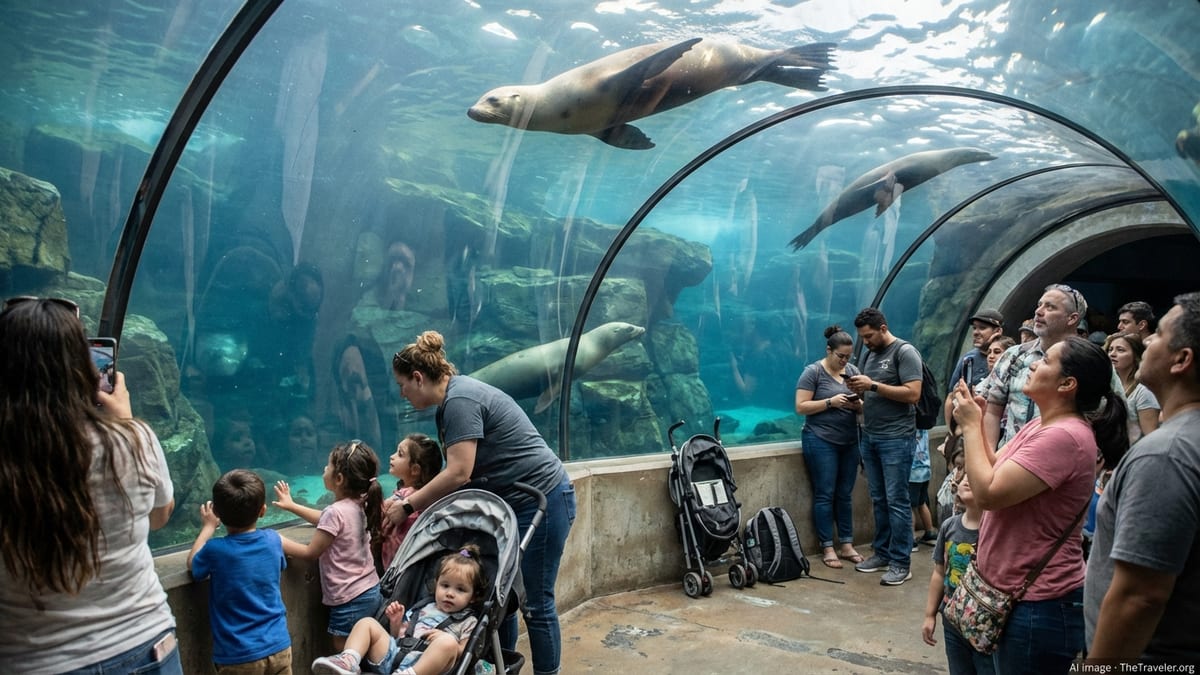
Where the Houston Zoo shines is in its newer, big-ticket habitats. The Galápagos Islands exhibit is the obvious centerpiece. As I stepped into that zone, it felt like entering a different institution: rockwork, water, and viewing areas are integrated in a way that genuinely changes how you see the animals. The sea lion pool is large and multi-level, and watching the animals from an underwater tunnel is as absorbing as advertised. I found myself lingering for much longer than I expected, partly because the animals were active and clearly interested in people, and partly because the space feels immersive without being claustrophobic.
The Galápagos tortoise area also impressed me. The tortoises have room to roam, and the interpretive signs actually helped connect small details, like the shape of their shells, with broader stories about evolution and conservation. It was one of the few times in the day when I felt that familiar sense of wonder a good zoo can deliver: seeing a living animal, reading just enough context, and walking away with a mental image that sticks. The one disappointment here was the penguin situation. The Humboldt penguins, part of the broader Galápagos-themed area, had been temporarily removed from public view for habitat safety reasons. I knew about the issue before visiting, but several people nearby did not, and I heard more than one child asking where the penguins were while parents tried to explain.
Elsewhere, the Texas Wetlands exhibit was a pleasant surprise. Instead of a token “local species” corner, this area feels substantial and thoughtfully designed, with bald eagles, whooping cranes, and alligators in a marshy landscape that feels both educational and scenic. It did not draw the same crowds as the sea lions or gorillas, which made it a rare pocket of calm where I could actually hear the ambient sounds and take in the exhibits at my own pace. If you like birds or are curious about Texas conservation stories, this section is worth prioritizing.
The African Forest remains a crowd magnet, with gorillas, chimpanzees, and other charismatic species. The habitats themselves are solid and allow for good views when the animals are cooperative. On my visit, the gorillas were relatively active, and I appreciated the sense of space and varied terrain in their enclosure. However, viewing areas were often jammed shoulder to shoulder, and I found myself jockeying for position, waiting for gaps in the throng. This is not unique to Houston; it is the reality of popular exhibits. Still, the combination of tight vantage points and high demand made the experience feel more like trying to watch a parade through a crowd than quietly observing animals.
Some of the older corners of the zoo felt dated by comparison. A few smaller mammal and reptile habitats struck me as serviceable but unremarkable, especially contrasted with the immersive style of the newest zones. To the zoo’s credit, many of the most outdated areas are either already closed (like the former Natural Encounters building and the old aquarium) or clearly slated for transformation. Still, as a visitor paying full price today, I noticed the unevenness. The leap from, say, Galápagos Islands to a simple row of enclosures with limited foliage and a basic concrete barrier is jarring.
Crowds, Noise, and the On-the-Ground Experience
Visiting a major urban zoo on a weekend in pleasant weather is always going to involve crowds, but Houston Zoo felt more congested than I expected, especially considering the timed entry system. From about 10:30 a.m. onward, the main pathways, viewing windows, and concession areas were consistently busy. Strollers and wagons formed slow-moving caravans, and any bottleneck near a popular animal quickly became a blockage. I spent a surprising amount of mental energy simply avoiding collisions and trying not to block other people’s views.
The noise level was also higher than I anticipated. Between excited children, school or camp groups, and amplified sound from occasional events or meet-the-keeper chats, quiet moments were rare in the central parts of the zoo. I enjoy kids being excited about animals; that is part of the point of a zoo. But in a few spots, particularly more enclosed indoor viewing areas, the echo of voices and the density of people made it hard to read signage or linger. If you are sensitive to noise or hoping for a contemplative experience, you may find yourself retreating often to the edges of the path network.
To be fair, the staff were generally calm and helpful in the middle of all this. I saw keepers answering questions with patience, even when people were crowding close. The scheduled chats posted for the day gave some structure to the experience, although getting a good vantage point required staking out a spot early. Security and front-line staff managed the flow at the entrance efficiently, even if the surge patterns were imperfect. My frustration was less about how the zoo handled the crowds and more about the simple fact that the infrastructure, from pathways to viewing windows, seems barely able to absorb peak demand.
If I returned, I would avoid a prime weekend slot if at all possible. An early-morning weekday visit during the school year would almost certainly feel different. The same exhibits that felt overwhelming at 11 a.m. on a sunny Saturday might become the pleasant, immersive experiences the designers clearly intended in a quieter time slot.
Food, Amenities, and the Cost of Comfort
I made a point of eating inside the zoo to get a realistic sense of cost and quality. The new Jack’s Café area is nice to look at and more modern than the stereotypical zoo cafeteria. The menu features a mix of comfort food and local-leaning dishes, and there is a separate grab-and-go section aimed at moving people through quickly. The overall impression is that the zoo has tried to elevate its food game beyond generic burgers and fries.
Even so, the prices are high for what you get. A basic lunch for one adult and one child, with an entree, a side, and drinks, easily climbed toward the amount you would expect at a mid-range restaurant, not a cafeteria line. The quality was fine but not memorable: my food was fresh enough and arrived warm, but the flavors were straightforward and slightly bland. In the realm of zoo food, I would call it acceptable and a step above the worst offenders I have tried elsewhere, but not a selling point of the visit.
Seating at peak times is an issue. During the lunch rush, I wandered for several minutes looking for an open table that was not in full sun. Some of the newer dining areas have added shade and thoughtful landscaping, but the demand still outstrips the supply. I watched more than one group hover near tables, waiting for people to finish. In a climate like Houston’s, where shade is not a luxury but a necessity, the experience felt slightly mismatched with the otherwise careful design.
Other amenities were a mixed bag. Restrooms were plentiful enough and generally clean, although one or two near the busiest exhibits showed signs of heavy use. Stroller and scooter rentals are available, and I saw plenty of people making use of them. I did appreciate the presence of water refill stations, which helped offset the heat and cut down on single-use bottles. Wi-Fi was spotty, though, which clashed with the zoo’s push for everyone to use the online map and their own devices as primary navigation tools.
Ethics, Education, and How the Zoo Talks About Itself
Like many modern zoos, Houston leans heavily into the conservation narrative. Throughout the grounds, signage reminds you that a portion of each ticket supports wildlife protection efforts, and the experience is laced with messages about habitat loss, plastic pollution, and the zoo’s field projects. In areas like Galápagos Islands and Texas Wetlands, the link between the exhibit and the conservation story is especially strong. I thought those zones did a good job of making the message feel grounded rather than preachy.
That said, the messaging sometimes felt more polished than the reality of the day-to-day visitor experience. For instance, the decision to temporarily remove penguins from public view out of genuine concern for their safety is clearly the right call from an animal-welfare standpoint. But the communication on the ground felt a bit thin. A few simple, prominent signs explaining what was happening and why would have helped align expectations and reinforce the idea that animal well-being really does come first, even when it disappoints guests.
The educational content itself ranged from excellent to perfunctory. Some exhibits featured multi-layered panels, with basic facts up front and deeper stories about research, local partners, and actionable steps tucked below. I liked those. In other sections, signage felt more generic or out of sync with the current configuration, especially where construction had shifted access. I had hoped to come away with a clearer sense of the zoo’s role in specific conservation programs globally, beyond the broad assurance that “your visit helps.” The information is there, but you have to seek it out amid the distractions of a busy day.
On the ethical question of keeping large, intelligent animals in captivity, Houston Zoo sits where many contemporary zoos do: clearly trying to modernize habitats, invest in enrichment and veterinary care, and justify their existence through fieldwork and education, while still presenting animals as attractions. I found some comfort in seeing animals in spacious, enriched habitats and in observing attentive keepers. Yet I also felt that familiar twinge of unease watching a big cat pace along the same section of its enclosure, or a primate gazing back at a crowd pressing against the glass. Whether the balance feels acceptable will depend a lot on your personal stance on zoos in general.
What I Would Do Differently Next Time
Looking back on my visit, the main thing I would change is timing. Arriving on a prime weekend late morning all but guaranteed heavy crowds, a parking ordeal, and a more superficial experience of the exhibits. If I were advising a friend, I would suggest picking a non-holiday weekday during the school year if possible, and arriving close to opening at 9 a.m. That alone would likely transform the feel of the day.
I would also plan my route more deliberately around construction and must-see areas. On this first visit, I mostly followed the natural path and the flow of people, which led to some backtracking and missed opportunities. Next time, I would start with one of the big anchor exhibits like Galápagos Islands or African Forest before the crowds build, then retreat to calmer zones like Texas Wetlands or Birds of the World in the middle of the day. I would save shopping and any non-essential extras for later in the afternoon when my energy and patience are lower anyway.
On the practical side, I would bring more of my own food and snacks. The zoo allows outside food with some restrictions, and after sampling the in-house options, I see little reason not to pack at least part of my meals, especially if visiting with kids. That change alone would cut costs significantly and reduce the stress of hunting for a table during peak lunch hour.
Finally, I would consider leaving my phone in my pocket more often. Constantly checking the interactive map, snapping photos, and trying to manage digital tickets contributed to a feeling of being slightly “on” and distracted the entire time. The days when you carried a simple paper map and meandered might have been less eco-friendly in terms of paper use, but they were more relaxing. At the very least, I would download the map in advance, glance at it to plan a loose route, then put the phone away except for genuinely needed checks.
The Takeaway
My day at the Houston Zoo was not perfect, and a few parts were frankly irritating: the parking scrum, the sometimes confusing layout with construction detours, the crowding at signature exhibits, and the high cost of onsite food. Some older sections felt tired next to the gleaming new zones, and a few small animals seemed lost in the shuffle of a mega-attraction built around star species and marquee habitats.
At the same time, the zoo delivered some genuinely memorable moments. Watching sea lions sweep overhead in the Galápagos tunnel, standing quietly near the towering whooping cranes in Texas Wetlands, and catching a glimpse of gorillas at rest in a well-designed, spacious habitat all reminded me why these institutions can matter when they are done thoughtfully. The newer investments in immersive design and conservation storytelling clearly elevate Houston Zoo above the bare-minimum model of cages and concrete enclosures.
In the end, I would say the Houston Zoo is worth visiting, but not on any terms. It is best suited for families with children who will get real joy out of seeing big, charismatic animals up close and who can handle a busy, stimulation-heavy environment. Animal enthusiasts and photographers will find plenty to appreciate in the newer exhibits, especially if they time their visit to avoid peak crowds. Visitors who crave quiet, contemplative nature experiences or who are very sensitive to noise and congestion may find the day more draining than inspiring.
If you go, treat it like a major day out rather than a casual stroll in the park. Reserve tickets in advance, arrive early, pack your patience and some of your own food, and be strategic about your route. With those caveats in mind, the Houston Zoo can still offer a rewarding, if imperfect, window into the animal world and some thoughtfully presented stories about how our choices in Houston ripple outward into habitats far beyond the city limits.
FAQ
Q1: Do I need to buy Houston Zoo tickets in advance, or can I purchase them at the gate?
Non-members currently need to reserve timed tickets online in advance for daytime admission; tickets are not sold at the gate. Members can visit without reservations, so if you arrive without pre-purchased tickets as a non-member, you will be stuck on your phone trying to buy them before you can enter.
Q2: How bad is parking at the Houston Zoo, really?
On a pleasant weekend or holiday, parking around Hermann Park can be frustrating. Free lots closest to the zoo fill quickly, and you may spend 20 minutes or more circling. Paid garages at nearby museums and medical facilities provide backup options, but they are expensive. If you can, consider taking METRORail to the Memorial Hermann Hospital/Houston Zoo stop and walking through the park instead.
Q3: What are the current opening hours, and how long should I plan to stay?
The zoo’s daytime hours are 9 a.m. to 5 p.m., with last entry at 4 p.m. Once inside, you can stay until closing. I found that three to five hours is a reasonable window to see the major exhibits without rushing, especially if you are visiting with children and taking breaks for food and rest.
Q4: Is the new Galápagos Islands exhibit worth prioritizing?
Yes. The Galápagos Islands area, particularly the sea lion habitat and underwater tunnel, is one of the standout experiences in the entire zoo. It feels modern, immersive, and thoughtfully designed. Even with crowds, it is a section where I willingly lingered, and it is one of the primary reasons I would recommend the Houston Zoo at all.
Q5: Can I still see the penguins during the current habitat issues?
As of my visit, the Humboldt penguins had been moved off public display while the zoo addressed safety concerns with their habitat. You cannot just walk up to a penguin exhibit and see them in the main Galápagos area. The zoo offers a separate, paid penguin encounter experience that provides behind-the-scenes access, but that is not the same as a standard exhibit view and requires extra planning and budget.
Q6: How crowded does it get, and when is the best time to avoid the worst of the crowds?
On weekends and holidays with good weather, the zoo gets very busy late morning through midafternoon. Pathways, viewing windows, and dining areas can feel packed. If you want a calmer experience, aim for a weekday during the school year and arrive right at opening. Early mornings are noticeably quieter, and both you and the animals will cope better with the heat.
Q7: Is the Houston Zoo a good value for the price?
Whether it feels like good value depends on your expectations and how you use your time. For a family that will spend several hours exploring the major exhibits, attend some keeper talks, and make a full day of it, the cost is justifiable, especially given recent investments in new habitats. If you only have a short window, dislike crowds, or are mainly seeking a tranquil outdoor experience, the price may feel steep for what you get.
Q8: How is the food, and can I bring my own?
Onsite food is convenient but expensive and decent rather than exceptional. Newer dining areas like Jack’s Café look modern and offer more variety, but a simple lunch can quickly add up. The zoo allows outside food within certain rules, and after sampling the options, I would recommend bringing at least part of your own meals and snacks to save money and reduce the stress of finding seating at peak times.
Q9: Is the layout easy to follow for first-time visitors?
Not entirely. While major zones are clearly themed and signposted, ongoing construction and the reliance on a digital map can make navigation confusing. I ran into several detours and dead ends where the actual paths did not quite match the app. If you like a clear, circular route, you may find the flow a bit disjointed. Glancing at an overview map early and planning a loose route helps.
Q10: Who is the Houston Zoo best suited for, based on your experience?
In my view, the Houston Zoo is best suited for families with children who are excited about seeing large, charismatic animals and can handle a busy, high-energy environment. It also works well for animal lovers and photographers who can visit on quieter weekdays to take full advantage of the newer exhibits. If you are primarily looking for a peaceful nature escape or are particularly sensitive to crowds and noise, you may be better off choosing another type of outdoor venue in Houston.