

More news on this day
Manila’s Ninoy Aquino International Airport will roll out a major reshuffle of international airline operations from late March 2026, shifting carriers from China, Japan, Vietnam, Brunei, and Malaysia between Terminals 1 and 3 in a bid to ease congestion and prepare for the busy northern summer travel season.
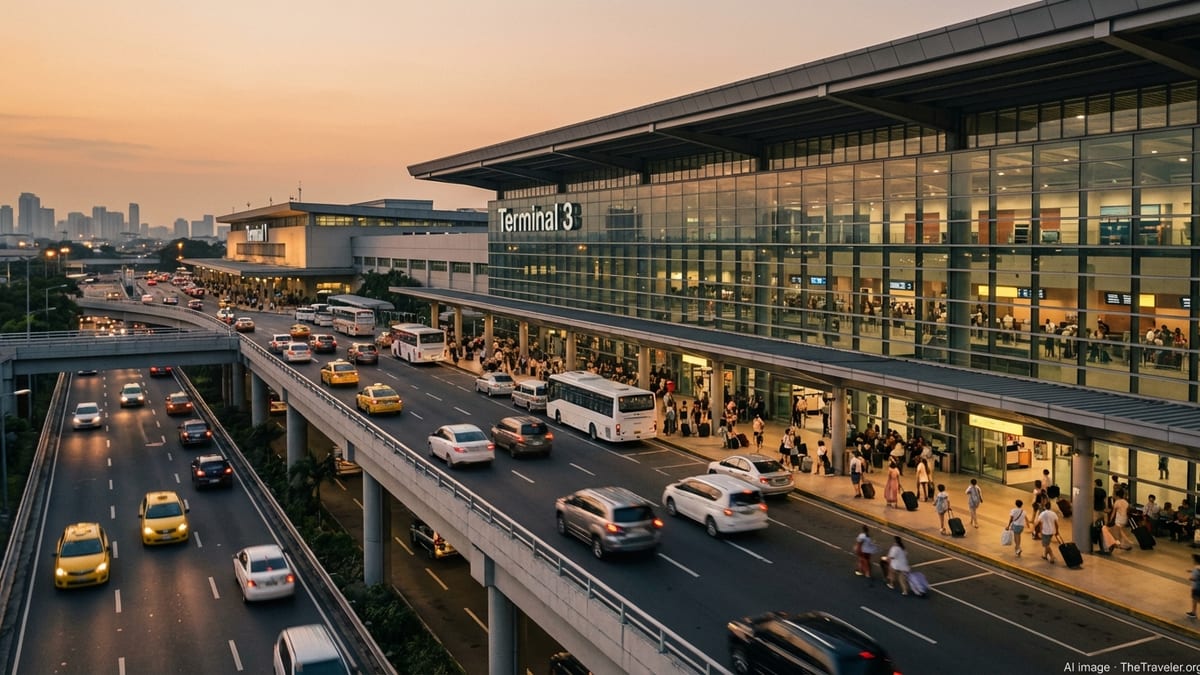
Key Terminal Changes Start March 29 Ahead of Summer 2026
The New NAIA Infrastructure Corporation, the private operator of Manila’s main gateway, has confirmed that a first wave of airline terminal moves will take effect on March 29, 2026, coinciding with the start of the IATA summer schedule. The changes will primarily affect passengers flying with carriers from mainland China, Vietnam, Brunei, and Malaysia, as well as travelers using Japanese flag carrier Japan Airlines in the days that follow.
Under the new arrangement, Air China, China Eastern, Vietnam Airlines, Royal Brunei Airlines, and Shenzhen Airlines will transfer all operations from Terminal 1 to Terminal 3. These airlines serve major hubs including Beijing, Shanghai, Hanoi, Bandar Seri Begawan, and Shenzhen, meaning a large share of regional connecting traffic will now be funneled through NAIA’s busiest and most modern terminal.
At the same time, international flights operated by Philippines AirAsia and Malaysia-based AirAsia will move in the opposite direction, shifting from Terminal 3 to Terminal 1 from March 29. Japan Airlines will then follow on April 1, relocating from Terminal 1 to Terminal 3 and further consolidating long haul and North Asia connectivity within that facility.
Airport authorities describe the reshuffle as part of a broader capacity optimization plan intended to balance passenger loads across terminals and streamline aircraft movements, especially as NAIA phases out turboprop operations and pushes more traffic through larger gates and contact stands.
How Travelers From China, Japan, Vietnam, Brunei, and Malaysia Will Be Affected
For passengers arriving from or departing to China, the biggest impact will be felt by customers of Air China, China Eastern, and Shenzhen Airlines, which are all moving to Terminal 3. Travelers who have grown accustomed to using Terminal 1 for Beijing or Shanghai flights will need to adjust their routings within the airport, particularly for tight connections onto other international services operated by carriers such as Cebu Pacific, Qatar Airways, or United Airlines that already use Terminal 3.
Vietnam Airlines customers will similarly need to report to Terminal 3 for flights between Manila and Hanoi or Ho Chi Minh City. The concentration of more regional full service carriers in Terminal 3 is expected to make same-terminal connections smoother for travelers chaining flights across Southeast and Northeast Asia, but only if they verify updated terminal details on their e-tickets ahead of travel.
Royal Brunei Airlines’ move from Terminal 1 to Terminal 3 will impact passengers connecting between Bandar Seri Begawan and onward long haul routes from Manila, particularly those timing flights to Europe, the Middle East, or North America. Airport planners expect that relocating these relatively smaller but growing flows to Terminal 3 will free up Immigration and security capacity at Terminal 1 for other carriers while providing Royal Brunei passengers with better access to the newer food halls, lounges, and retail offerings at Terminal 3.
From Malaysia, the most visible change involves AirAsia’s Manila operations, which will now use Terminal 1 for international flights. Travelers flying on the low cost carrier between Manila and Kuala Lumpur or other regional points will need to factor in Terminal 1’s layout and queues. While NAIA has invested in upgraded security lanes and departure drop off zones there, peak-time congestion remains a possibility as the terminal continues to host a mix of legacy and budget airlines.
Japan Airlines Move Caps Early April Realignment
The last major adjustment in this phase will occur on April 1, 2026, when Japan Airlines shifts from Terminal 1 to Terminal 3. For global travelers, this move is especially significant given the high volume of traffic between Manila and Tokyo and the onward connectivity JAL provides into North America and the wider Japanese domestic network.
For passengers originating in Manila, the change means all check in, security, and boarding for Japan Airlines flights will be handled at Terminal 3. That terminal already hosts several long haul carriers and a growing list of airlines participating in NAIA’s automated processing program, enabling self check in kiosks, automated pre security gates, and self boarding for eligible passengers. Once JAL is fully integrated into these systems, frequent flyers and business travelers can expect faster processing times, particularly during morning and late night banks.
Inbound JAL passengers will also benefit from more seamless same terminal connections to regional low cost and full service flights operating at Terminal 3. However, those connecting to airlines that remain based in Terminal 1 will need to account for inter terminal transfers, which require additional time for security and Immigration checks where applicable.
Japan Airlines has begun advising customers through booking channels and pre departure communications to double check terminal details and allow extra buffer time during the first weeks of April, as both airport staff and passengers adjust to the new flows.
What International Passengers Should Do Before Arriving at NAIA
With multiple carriers changing terminals within just a few days, airport authorities and airlines are urging travelers to verify their flight information more carefully than usual. Even returning frequent flyers who know NAIA well may find that their usual terminal routines no longer apply once the summer 2026 schedule begins on March 29.
Global travelers are advised to reconfirm their terminal on their booking confirmation or mobile app within 24 to 48 hours of departure, and again on the day of travel, as carriers finalize their operational details. Arriving in Manila, passengers connecting onward should study their itineraries for any cross terminal transfers and ensure that minimum connection times still provide enough margin for Immigration, baggage recheck if required, and security screening.
Because some of the affected airlines operate red eye and early morning departures, any confusion over terminal assignments could be compounded by limited surface transport options during off peak hours. Airport operators recommend that travelers using ride hailing services or taxis specify the correct terminal in advance and monitor airport information displays and announcements once on site.
Travel agents and corporate travel managers are also updating client guidance, especially for itineraries that involve back to back regional sectors on different Asian carriers, such as a Shanghai to Manila flight followed by a same day connection to Vietnam or Malaysia. In some cases, shifting both legs into Terminal 3 could simplify the journey, but only if passengers are fully aware of the updated maps and signage.
Inside the Terminals: Infrastructure Upgrades and Service Changes
The terminal reshuffle comes as NAIA pushes through an accelerated upgrade program aimed at lifting annual capacity from an estimated 35 million to around 62 million passengers over the life of its private concession. In recent months, the operator has expanded the use of biometric enabled e gates, added more self check in kiosks, and rolled out automated pre security and self boarding gates across Terminals 1, 2, and 3 for eligible flights.
Terminal 3, which will soon host a larger cluster of regional Asian airlines after the moves take effect, has benefited from new food halls, refurbished waiting areas, and additional gate seating. These enhancements are designed to support the higher passenger throughput expected once more carriers from China, Vietnam, Brunei, and Japan are consolidated there alongside existing long haul operators.
Terminal 1, traditionally the home of many legacy carriers, has seen its own share of changes, including safety related reconfigurations at departure drop off zones and an expanded lounge offering for overseas Filipino workers. The arrival of AirAsia’s international operations is expected to bring in more budget conscious leisure travelers, prompting retailers and food outlets to adjust their offerings and operating hours to match new demand patterns.
Looking ahead, NAIA’s long term plans include the development of additional terminal infrastructure that will eventually redistribute both domestic and international flights. For now, however, the March and April 2026 realignments represent the most immediate changes global travelers will encounter, making careful pre trip planning essential for a smooth transit through Manila.