


More news on this day
Thousands of air travelers have been stranded at Nairobi’s Jomo Kenyatta International Airport after a strike by aviation workers triggered widespread delays, cancellations and overnight stays in crowded terminal areas.
Get the latest news straight to your inbox!
Second day of industrial action disrupts Kenya’s main air hub
Publicly available information shows that the disruption began on Sunday, August 30, 2026, when aviation workers under the Kenya Aviation Workers Union (KAWU) launched a strike and go-slow across Kenya’s major airports, including Jomo Kenyatta International Airport (JKIA) in Nairobi and Moi International Airport in Mombasa.
By Monday, August 31, reports indicated that the industrial action had entered its second day, slowing air traffic at JKIA, Kenya’s primary international gateway and a major regional hub. Multiple airlines experienced extensive delays and a growing backlog of flights, leaving passengers queuing for hours at check-in counters and security points.
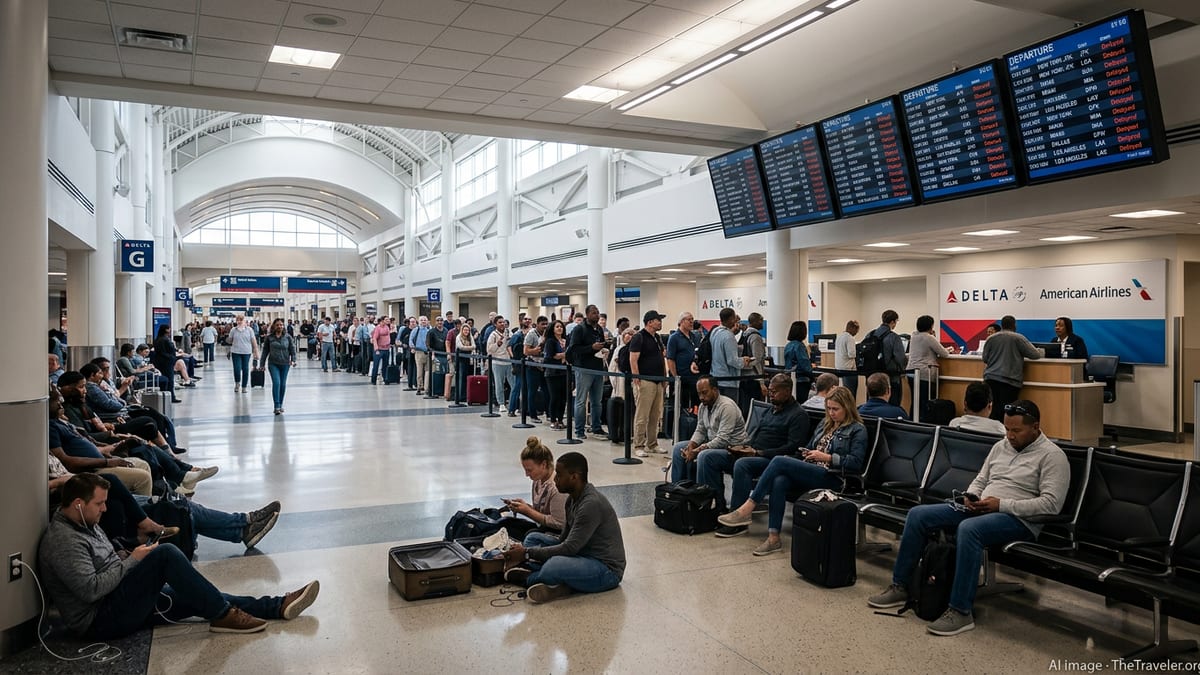
Regional and international coverage describes scenes of crowded departure halls, with passengers sleeping on seats or floors overnight as they waited for new departure times or alternative routings. Some airlines began arranging hotel transfers for travelers who had already spent the night inside the terminal without clear onward travel plans.
According to published coverage, a previous strike in February 2026 had already exposed the vulnerability of Kenya’s busiest airport to labor disputes, and the latest walkout has again highlighted the central role of JKIA in connecting East Africa to the rest of the world.
Passengers face long delays, cancellations and missed connections
Reports from local and international outlets describe long queues forming from early Monday as airlines attempted to manage disrupted schedules. Flight operations were slowed by reduced staffing levels at key points in the airport process, including check-in, baggage handling and airside services.
Kenya’s national carrier, Kenya Airways, has publicly acknowledged significant disruption to its operations, with notices indicating that some flights are departing more than six hours behind schedule. Published information shows that the airline has warned customers of possible extended delays and advised travelers to verify their flight status and only proceed to the airport once they receive confirmation.
Other carriers using JKIA as a regional hub have also reported delays and, in some cases, cancellations as aircraft and crew end up out of position. Travel industry updates indicate that knock-on effects are being felt on connecting routes across Africa, the Middle East and Europe, as missed connections require rebooking and additional ground handling.
Travelers with tight itineraries, such as safari departures, business meetings or onward long-haul flights, are among those most affected. Online travel forums and social media posts referenced in news reports point to growing concern about missed tours, extra accommodation costs and uncertainty about when normal operations will resume.
Union cites unresolved grievances over pay, staffing and agreements
Statements attributed to KAWU in published coverage link the strike to a series of unresolved labor issues involving multiple aviation agencies. These include the Kenya Civil Aviation Authority, the Kenya Airports Authority and airline subsidiaries such as low-cost carrier Jambojet.
The union has cited the inability to conclude a collective bargaining agreement with regulators, concerns about working conditions and dissatisfaction over staff deployment and cooperation with management. Some reports also refer to unease over job security and opposition to plans to use volunteers or temporary staff in roles traditionally held by trained airport workers.
Reports indicate that union representatives held talks with government and aviation stakeholders on Sunday in an effort to reach a compromise, but coverage suggests those discussions ended without a breakthrough. With negotiations continuing into Monday, the industrial action has remained in effect, sustaining the pressure on airport operations.
Analysts quoted in prior coverage of similar disputes have noted that JKIA’s strategic importance for Kenya’s tourism and trade sectors places additional urgency on resolving such standoffs, as prolonged disruption can damage traveler confidence and airline scheduling for months.
Airport authorities attempt to manage queues and flight backlogs
According to news reports, the Kenya Airports Authority has acknowledged widespread delays and some cancellations at JKIA and other affected airports, while urging passengers to check directly with their airlines before heading to the terminals. Public statements referenced in media coverage emphasize efforts to coordinate with aviation agencies and carriers to manage the impact.
Measures reported at JKIA include the redeployment of available staff to front-line functions, the use of additional security lanes where possible and prioritization of certain flights in order to reduce congestion at peak times. However, limited staffing across multiple departments has constrained how quickly operations can return to normal.
Coverage from international outlets suggests that thousands of passengers have been affected across the two days of action, with some flights departing hours late and others being rescheduled to later in the week. The resulting backlog has required airlines to adjust aircraft rotations, sometimes substituting smaller aircraft or consolidating services on busy routes.
Airport-focused travel advisories recommend that passengers currently holding tickets for Nairobi and Mombasa build in additional time, remain flexible with travel dates where possible and stay alert to rapid schedule changes as airlines rework their operations.
Travelers urged to monitor updates and prepare for continued disruption
With negotiations between KAWU and aviation stakeholders still reported as ongoing, it remains unclear how long the current wave of disruption will last. Previous experience earlier in the year suggests that flight schedules can take several days to fully stabilize even after an agreement is reached, as airlines work through backlogs and reposition aircraft.
Publicly available guidance from airlines and travel organizations encourages affected passengers to make use of digital channels, including airline apps and email alerts, to track real-time changes to their itineraries. Some carriers have introduced flexible rebooking policies and waived change penalties for travelers who prefer to postpone trips until operations normalize.
For travelers already in Nairobi or transiting through JKIA, reports underline the importance of maintaining contact with tour operators and hotels, particularly for safaris and regional connections that depend on timely arrivals. Travel agents and destination management companies are using alternative routings where available, though options remain limited when disruptions affect multiple airlines simultaneously.
As the strike enters another day, JKIA’s experience is being closely watched by airlines, unions and travel planners across the region, given the airport’s role as a key East African hub. The outcome of current negotiations is likely to shape not only the immediate resumption of flights, but also future confidence in the reliability of one of Africa’s busiest aviation gateways.
Pulse Kenya: KAWU strike causes flight disruptions at JKIA, Moi Airport
Citizen Digital: Kenya Airways announces 6-hour flight delays after aviation workers' strike