

More news on this day
British holidaymakers heading for Turkey, Egypt and Spain this year are being urged to review the latest Foreign, Commonwealth & Development Office guidance, after a series of 2026 updates linked to regional conflict, terrorism concerns and growing unrest in some popular destinations.
Get the latest news straight to your inbox!
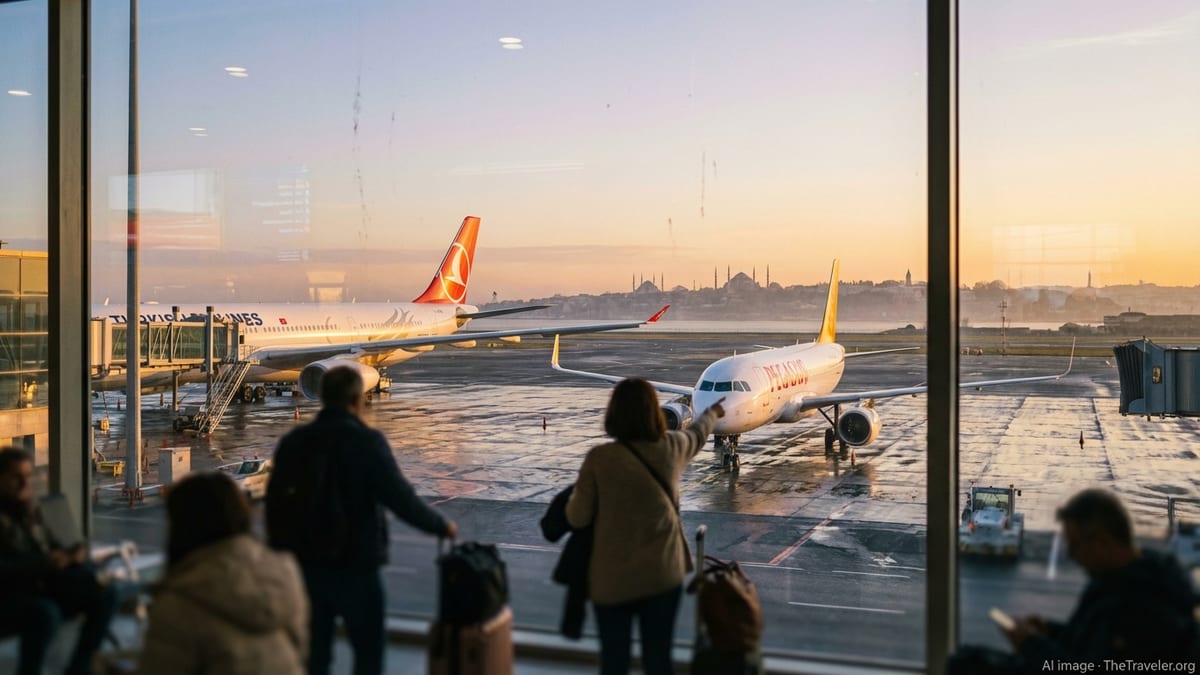
Fresh FCDO Focus on Conflict Spillover and Terrorism
Travel advice for Turkey, Egypt and Spain has been reviewed in the context of fast-moving events across the Middle East and North Africa, with publicly available Foreign Office updates stressing the potential for regional tensions to affect nearby tourist markets. A consolidated FCDO hub covering 21 countries in and around the Middle East, first published in early March and updated on 5 March 2026, highlights the wider security backdrop and encourages British nationals in several high‑risk states to register their presence. While Turkey, Egypt and Spain remain open to leisure travel, the tone of recent updates has shifted toward heightened vigilance.
Security analysts note that Turkey in particular sits close to active conflict theatres, while Egypt borders several unstable regions and Spain has seen large‑scale demonstrations linked to international crises. Travel risk mapping published by industry providers for 2026 continues to rate all three countries as generally accessible for tourism, but flags specific regions and scenarios where the risk profile is notably higher, including terrorism, protests and sporadic unrest.
For UK travellers, the latest guidance underlines that FCDO language short of advising against all or all but essential travel can still carry practical consequences. Package operators and insurers routinely align their policies with official advisories, and several major tour companies state that they will reassess departures if the Foreign Office stance on key resort areas changes in the weeks ahead.
Turkey: Stable Resorts, Heightened Urban Security
Turkey remains one of the UK’s most popular summer destinations, and current FCDO country advice continues to permit travel to major tourist centres such as Istanbul, Antalya, Bodrum, Cappadocia and the Turquoise Coast. However, publicly available summaries emphasise that the threat from terrorism persists nationwide, particularly in large cities and around symbolic diplomatic or religious sites. That message has been reinforced by recent coverage of an attack on a foreign consulate in Istanbul on 7 April 2026, which has sharpened attention on crowded urban locations and diplomatic districts.
Security briefings collated by independent risk consultancies describe Turkey as a medium‑risk destination overall, but identify the south‑east, areas near the Syrian border and certain restricted military zones as significantly higher risk. Travel beyond the main tourist corridors in these regions has long been subject to stronger warnings, and that distinction is being restated for 2026 as the wider regional conflict intensifies. Travellers are being reminded that demonstrations can occur with little notice and may lead to localised disruption, road closures and a visible security presence, particularly in Istanbul and Ankara.
Despite these concerns, industry reports indicate that Turkish tourism officials are actively reassuring overseas visitors that coastal and heritage destinations remain far removed from the front lines of any conflict activity. Recent trade coverage notes that bookings from Europe have dipped in response to headlines about the wider region, but that international flights and resort operations are running largely as scheduled. For British visitors, the key Foreign Office message is to stay alert in busy public places, avoid any protests and follow local security instructions where incidents occur.
Egypt: Localised Restrictions Amid Regional Tension
In Egypt, the UK Foreign Office continues to differentiate between core tourist zones and higher‑risk regions, maintaining long‑standing advice against travel to parts of North Sinai, sections of the Western Desert and some border areas where security forces face ongoing militant activity. Publicly available travel commentary in March 2026 highlights that, unlike some allies, the UK has not issued a blanket warning against visiting Egypt’s main tourist hubs along the Nile and Red Sea. Destinations such as Cairo, Luxor, Aswan, Hurghada and Sharm el Sheikh remain open, although recent updates reiterate the possibility of heightened security checks and movement controls.
Tour operators and specialist travel blogs report that UK travellers are still arriving in significant numbers, but that the regional conflict has prompted closer monitoring of flight paths, overflight permissions and fuel supplies. Some recent accounts reference rising local fuel prices and occasional curfew measures for businesses in major cities, underlining the importance of checking local conditions close to departure. Companies selling Egypt tours in spring 2026 are telling customers that future schedule changes will depend largely on any shift in the official FCDO position.
Analysts point out that, while Egypt’s principal tourism corridors remain heavily policed and have a long record of layered security, they are not insulated from wider geopolitical shocks. Travellers are therefore being encouraged to reconfirm internal flights and organised excursions, allow extra time for airport and road checkpoints, and keep documentation and contact details for their tour providers readily to hand. The latest Foreign Office wording stresses situational awareness rather than alarm, but underlines that sudden changes in the local security picture are possible.
Spain: Protests, Overtourism and Urban Crime
Spain is not directly affected by the Middle East conflict, yet the Foreign Office continues to highlight a different set of risks for British visitors in 2026. Ongoing anti‑tourism protests in the Canary Islands, Balearics and several mainland cities have attracted international coverage since 2024, with demonstrators calling for tighter controls on visitor numbers and new regulation of short‑term rentals. Large rallies have been reported in Barcelona, San Sebastián, Málaga and parts of Tenerife, at times disrupting traffic and prompting a visible police response.
Alongside the overtourism debate, Spain has seen regular demonstrations linked to international issues, including pro‑Palestinian and anti‑war marches drawing thousands of participants in Madrid and other cities during early 2026. Foreign travel advisories and allied government guidance stress that while most protests are peaceful, they can occasionally lead to scuffles, arrests, transport delays and short‑notice route changes. Tourists are advised to avoid large gatherings, monitor local media and allow additional time for airport transfers and intercity travel on days when rallies are expected.
Outside the protest context, Spain’s long‑standing safety profile remains broadly positive, but the latest guidance again emphasises the risk of petty crime in crowded urban and resort areas. Travel safety pages from several governments warn that pickpocketing, bag snatching and distraction theft remain common in tourist hotspots, transport hubs and nightlife districts. British travellers heading to Spanish resorts for Easter and the peak summer season are being encouraged to keep valuables secure, stay cautious in late‑night entertainment zones and use licensed taxis or recognised ride‑hail services.
What UK Travellers Should Do Now
The latest round of Foreign Office updates places responsibility on individual travellers to stay informed, rather than urging mass cancellations. For those with existing bookings to Turkey, Egypt or Spain, the key practical step is to check the country‑specific FCDO page frequently in the run‑up to departure, paying attention to any new restrictions on particular regions, curfews, or changes in advice on public gatherings. Travel companies and airlines continue to operate most routes as normal, but many have stated that they will offer rebooking options if government advice hardens for specific destinations.
Insurance remains another critical factor. Guidance from consumer organisations and travel forums stresses that policies can be significantly affected if a traveller chooses to visit an area against explicit FCDO advice. Even where the overall country rating allows travel, some underwriters treat named high‑risk regions differently, so policyholders are urged to read the small print and clarify coverage for terrorism, civil unrest and war‑related disruption before travelling.
Specialists in corporate and leisure travel risk management recommend that visitors keep digital and paper copies of passports, itineraries and key contact numbers, including airline and tour operator hotlines, and maintain regular communication with family or friends at home. With the summer booking season gathering pace, the Foreign Office’s 2026 messaging for Turkey, Egypt and Spain ultimately centres on informed decision‑making: these destinations remain open, but the environment is more fluid, and British travellers are being advised to stay flexible, stay alert and be prepared to adapt plans at short notice if the security picture changes.