


More news on this day
Norway’s move to introduce a national cruise passenger levy is sharpening attention on Bergen, the country’s busiest cruise hub, where port operators and local leaders are weighing how the new charge could reshape long term funding for harbor infrastructure and visitor services.
Get the latest news straight to your inbox!
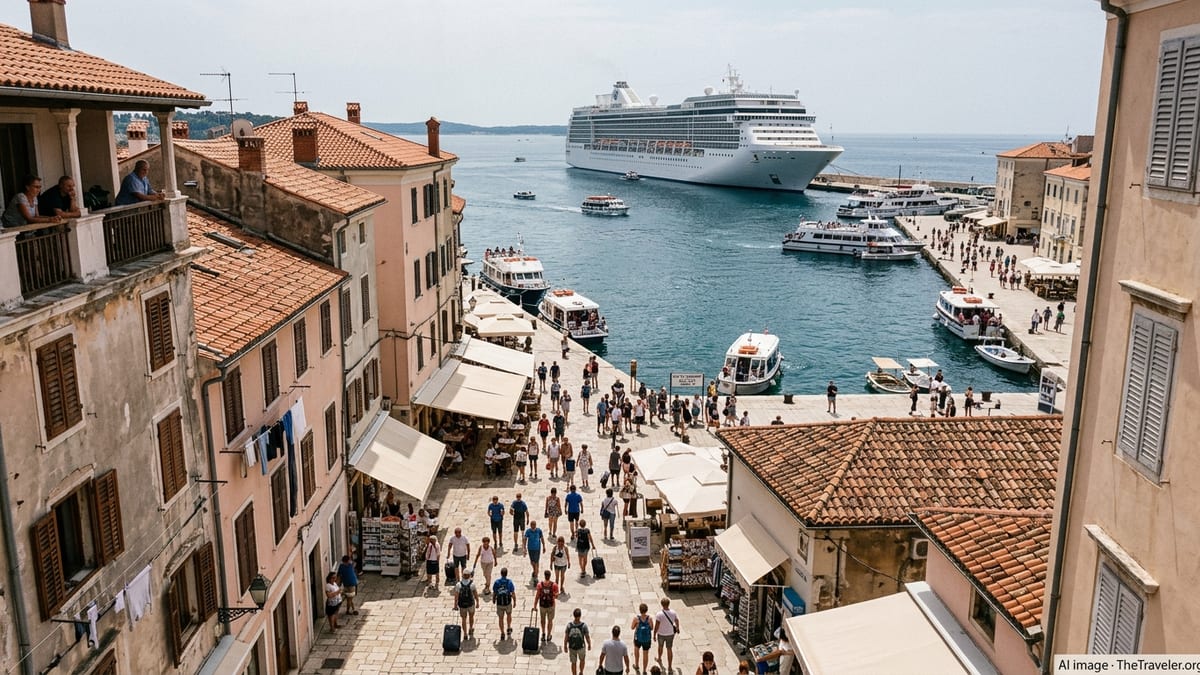
A National Cruise Levy Emerges From Norway’s Visitor-Funding Debate
Norway’s Storting adopted a new framework for visitor financing through the Besøksbidragsloven, or Visitor Contribution Act, in June 2025. The law gives central authorities the power to introduce a cruise-specific charge and allows municipalities to use visitor revenues to support public goods affected by tourism. Subsequent policy papers and consultation documents from 2026 outline how a per-passenger cruise fee could be implemented from the second half of this decade.
Government briefings describe the upcoming charge as a moderate cruise levy designed to balance local budget needs with the competitiveness of Norway’s cruise sector. The planned fee would apply to international cruise calls and, under current proposals, to ships on the coastal Bergen–Kirkenes route when they operate as part of the wider cruise offering. Publicly available information indicates that municipalities will have a central role in collecting the levy and determining how proceeds are used for tourism-related infrastructure and services.
The cruise component of the Visitor Contribution Act follows years of discussion over crowding, environmental pressure and uneven local benefits from rapid growth in cruise arrivals. National tourism strategies now place more emphasis on managing visitor numbers and funding local infrastructure than on simply expanding traffic volumes. The cruise levy is emerging as one of the main tools for turning high passenger counts into predictable income for port cities such as Bergen.
Bergen’s Position as Norway’s Leading Cruise Gateway
Bergen’s status in the debate reflects the scale of its cruise activity. Data from Bergen Havn and national transport agencies indicate that the city handled more than 700,000 cruise guests across roughly 340 to 350 ship calls in 2025, an increase of around 90,000 passengers compared with the previous year. Separate national port statistics for 2025 point to Bergen as the single most visited Norwegian cruise destination by passenger numbers.
The Port of Bergen has invested heavily in facilities to handle this traffic, including expanded quays, terminal infrastructure and shore power connections. Port publications state that the goal is for about 70 percent of cruise calls to connect to shore power by 2025, part of a broader push to cut local air emissions and respond to concerns about pollution in Norwegian harbor cities. Meeting this target requires significant upfront investment and ongoing operating expenditure for energy infrastructure, grid capacity and technical maintenance.
These investments have taken place within an existing regime of harbor dues, fairway fees and municipal charges. Cruise operators currently pay port calls, quay dues and navigation fees set by port authorities and the Norwegian Coastal Administration. While these instruments cover core operational costs, local policy discussions in Bergen suggest that they are not designed to finance the full range of tourism-related services affected by cruise traffic, such as crowd management in the historic Bryggen district, public transport capacity and maintenance of heavily visited public spaces.
How a Cruise Levy Could Reshape Port Funding
The proposed cruise levy is intended to complement, rather than replace, existing port and fairway fees. Policy documents associated with the Visitor Contribution Act describe the levy as a tool for funding “reiselivsrelaterte fellesgoder,” or tourism-related public goods, which can range from waterfront amenities and public toilets to digital visitor information and signage. For Bergen, this framework opens the possibility of earmarking a portion of each cruise passenger’s contribution for specific harbor and city-center projects.
Consultation material circulated in 2026 indicates that municipalities will be responsible for administering the levy and may delegate collection to their port organizations when these are part of the municipal structure. This arrangement is particularly relevant for Bergen, where an inter-municipal port company manages fairway infrastructure across several neighboring communities. Integrating the cruise levy into this structure could allow Bergen Havn to align financial planning for quay upgrades, safety measures and environmental initiatives with a more stable stream of passenger-based revenue.
Public commentary from local political leaders in Bergen suggests broad support for using cruise income to offset what are described as negative side effects of high visitor volumes, including congestion and environmental strain. At the same time, industry representatives for coastal shipping have expressed concern that additional per-passenger charges could erode margins on Norwegian voyages if not calibrated carefully. This tension puts the spotlight on how the levy’s level and exemptions are set, and on whether revenue is visibly reinvested in port and city infrastructure that benefits both visitors and residents.
Balancing Competitiveness, Sustainability and Local Acceptance
The cruise levy debate in Bergen is closely linked to wider questions about sustainable tourism on Norway’s western coast. In online forums, research reports and municipal planning documents, a recurring theme is the need to avoid overtourism while still preserving cruise itineraries that underpin local jobs and business revenues. Environmental concerns are particularly acute in and around UNESCO-listed fjords and in historic city quarters where narrow streets can become crowded when multiple ships call on the same day.
National policy initiatives have already signaled a shift toward stricter environmental standards, including future zero-emission requirements for certain fjord areas. While these measures have been delayed relative to earlier timetables, port cities such as Bergen continue to prepare for a regulatory landscape where emissions, noise and waste from cruise ships are more tightly managed. Shore power expansion, berth allocation strategies and coordination of arrival schedules all require predictable funding, which supporters of the levy argue could be provided by a dedicated passenger-based charge.
For cruise lines, the central question is how the Norwegian levy fits into overall operating costs on Northern Europe itineraries. Industry analyses circulating in spring 2026 suggest that the proposed per-passenger amount is modest compared with total cruise fares but could become significant when combined with existing port charges and environmental compliance costs. Operators are expected to evaluate whether higher overall costs in Norwegian ports affect deployment decisions and pricing, particularly in shoulder-season months when yields are lower.
What Comes Next for Bergen’s Port Strategy
In Bergen, municipal discussions point toward applying for both the cruise levy and a separate overnight visitor charge within the next few years, with some local leaders expressing hope that both tools could be in place around 2027. The exact timing will depend on national regulations, local council decisions and the pace at which collection systems can be integrated with port and municipal finance structures.
For the port authority, the emerging framework presents an opportunity to link cruise revenue more directly to identified investment needs. Priority areas include further expansion of shore power capacity, upgraded terminal facilities, traffic management solutions and measures to protect the visual and cultural character of the historic harborfront. Publicly available port planning documents emphasize that such projects are increasingly judged not only on financial viability but also on their contribution to climate goals and resident quality of life.
Travel companies, cruise planners and prospective passengers will be watching how Bergen and other Norwegian ports translate the levy into practice. The way funds are communicated, allocated and reported is likely to shape public acceptance of the new charge. For now, Bergen’s role as the country’s leading cruise gateway makes it a key test case for whether Norway’s national cruise levy can deliver more sustainable, locally supported cruise tourism without undermining the appeal of its signature fjord itineraries.