

Spending one week in Hawaii is just enough time to fall under the spell of its beaches, volcanoes and deeply rooted island culture. With thoughtful planning, you can swim over coral reefs, drive through lush valleys, stand safely at the edge of an active volcano, and still slow down to honor the rhythms of local life. This guide lays out a practical, up to date framework for designing a seven day trip that balances classic sights with quieter moments, while keeping new visitor rules, fees and safety guidance in mind for 2026.
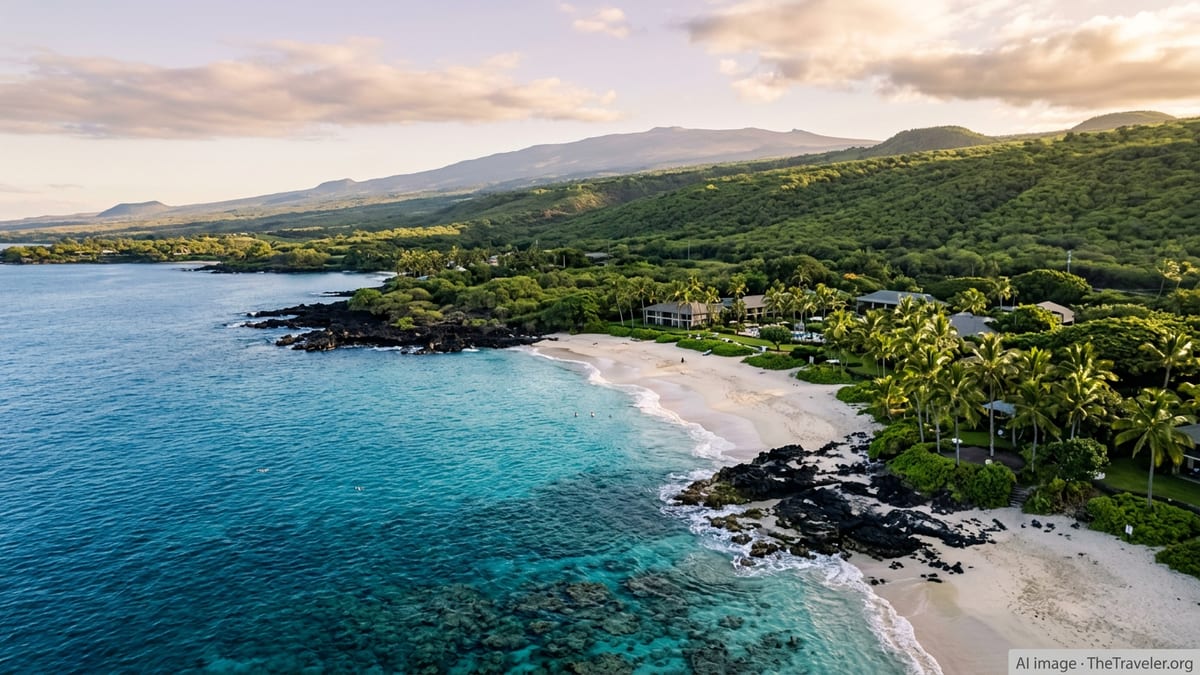
Planning Your 7 Day Hawaii Itinerary in 2026
Designing a one week Hawaii trip in 2026 starts with choosing no more than two islands. Travel times between islands can eat into precious days, and recent shifts in visitor numbers mean that popular spots still get crowded at peak hours even if total arrivals have softened slightly. For most first time visitors, combining Oahu with either Maui or the Island of Hawaii offers a satisfying blend of scenery, culture and accessible adventures without too many flights or long drives.
It is also important to budget for higher daily costs than in previous years. Hawaii has introduced climate related lodging taxes and a small “green fee” on many hotel and vacation rental stays starting in 2026, with revenue earmarked for shoreline protection, wildfire prevention and other climate resilience projects. Visitors will still see price differences between islands and seasons, but it is wise to allow a buffer in your budget for taxes, parking fees at state parks and timed entry reservations where required.
Shoulder seasons remain appealing for a one week visit. Spring and fall typically bring slightly lower room rates and fewer crowds than school holiday peaks, though weather patterns can shift from year to year. When comparing flights, note that some U.S. mainland gateways offer nonstop service to more than one island, which can simplify an open jaw itinerary such as flying into Honolulu and out of Kona or Kahului.
Finally, build flexibility into your plan. Kilauea on the Island of Hawaii continues to cycle through eruption episodes at its summit, which may prompt temporary trail or viewpoint closures in Hawaii Volcanoes National Park, aviation advisories, or, in rare cases, ashfall alerts affecting flights. Check official park and volcano observatory updates as your trip nears and be ready with a backup beach or hiking day if conditions change.
Choosing Your Islands: Oahu, Maui and the Island of Hawaii
Oahu works well as the starting point for a weeklong itinerary. Honolulu’s airport offers the widest range of flights, and Waikiki remains a convenient base for first nights in the islands, with easy access to beginner friendly beaches, dining and public transit. Just beyond the high rises, you can explore the windward coast, hike ridgelines with sweeping views, or spend time in historic neighborhoods that show a different side of the city.
Maui, still recovering and rebuilding after the devastating 2023 Lahaina wildfire, is welcoming visitors back with a strong emphasis on respectful, mindful travel. Many parts of the island, including Kihei, Wailea, the Road to Hana and Upcountry, are open and eager for visitor spending that directly supports local jobs and small businesses. At the same time, travelers are asked to stay informed about which areas remain closed, avoid intrusive disaster tourism, and follow local guidance about how best to support ongoing recovery efforts.
The Island of Hawaii, often called the Big Island, is ideal if seeing volcanoes is a priority. Hawaii Volcanoes National Park offers the chance, conditions permitting, to safely view lava activity from designated overlooks when Kilauea is in an eruptive phase, along with stark lava fields, steam vents and high elevation forests. On the west side, around Kona and Kohala, you will find some of the state’s most reliable snorkeling and sunset beaches, along with historic heiau (temples) and petroglyph fields.
Other islands, such as Kauai and Lanai, are wonderful for longer trips but can be harder to fit into a single week without sacrificing too much time to transit. If your heart is set on a third island, accept that your visit will become more of a snapshot than a deep dive, and trim your activity wish list accordingly so you are not racing from one viewpoint to the next.
Beaches, Snorkeling and Ocean Safety
Hawaii’s beaches are the centerpiece of many one week itineraries, but conditions vary widely by island, season and even time of day. Lifeguard protected beaches are the best choice for most visitors, especially families or less confident swimmers. On Oahu, popular beaches near Honolulu are heavily monitored, while the Island of Hawaii’s west coast offers a mix of developed resort front beaches and more rugged coves where you may need to walk over old lava to reach the sand.
Snorkeling is a highlight of a Hawaii trip, whether from shore or by joining a regulated boat tour. Recent studies commissioned by local tourism and lifeguard organizations have put renewed emphasis on snorkel safety, noting that even calm looking water can present risks to inexperienced swimmers or those with certain medical conditions. It is essential to use well fitted gear, avoid alcohol before entering the water, snorkel with a buddy, and heed posted warnings about currents, waves or jellyfish. If you are new to snorkeling, consider starting with a guided trip where instructors can advise on technique and comfort.
Ocean safety campaigns in Hawaii now stress a simple message during any marine alert or unexpected event: stay put and seek guidance rather than rushing to drive across unfamiliar roads. Visitors are encouraged to monitor local news, hotel messages and official alert systems, particularly during the June to November hurricane season or when high surf and king tides are forecast. In practice, that may mean shifting your beach day to a more sheltered spot or enjoying pool time and cultural activities if conditions look rough.
Conservation is another key theme at the shoreline. Many reef areas are under pressure from warming seas and heavy use. Travelers are asked to choose genuinely reef safe sunscreen, avoid stepping on coral, and keep a respectful distance from turtles, monk seals and dolphins. Some bays and state parks require advance reservations, parking fees and daily visitor caps to limit impact. Build these into your planning so that your one week in Hawaii leaves the islands a little better off rather than more stressed.
Volcano Encounters on the Island of Hawaii
Experiencing Hawaii’s volcanoes is often the emotional high point of a one week itinerary. At Hawaii Volcanoes National Park, visitors can explore landscapes shaped by centuries of eruptions, from fresh black lava fields to older forests reclaiming cooled flows. Depending on current activity at Kilauea, you may see a glowing lava lake or active vents from a distance, or you may find the volcano in a quieter phase, with steam and sulfur vents hinting at the forces beneath your feet.
In early 2026, Kilauea continues to show intermittent summit eruption episodes, with scientists closely monitoring gas emissions, seismic activity and lava levels. Aviation advisories and ashfall notices may be issued during more vigorous events, and certain overlooks or trails may close on short notice for safety. Travelers should expect that night viewing opportunities and specific lava vantage points can change from week to week. Rather than banking your whole trip on seeing red lava, treat any active display as a bonus and focus on the broader experience of the park.
Driving the Crater Rim and Chain of Craters corridors reveals layers of volcanic history. Short walks take you through native rainforest, across solidified lava lakes and into old craters. Rangers and interpretive signs explain how eruptions have shaped not only the geology but also the cultural landscape, including sacred sites and traditional stories. Bring layers, as weather can shift quickly with elevation, and carry water, sun protection and sturdy footwear even for modest hikes.
Elsewhere on the island, the long, gentle slopes of Mauna Loa and the summit area of Mauna Kea demonstrate the sheer scale of Hawaii’s shield volcanoes. While Mauna Loa’s last eruption in late 2022 is now in the recent past, scientists maintain a close watch on its behavior. Some roads and trails affected by earlier lava flows have been repaired or rerouted, but visitors should always check for updated guidance, respect any closures, and remember that high elevation trips can pose additional risks related to altitude, weather and road conditions.
Sample One Week Itinerary: City, Coast and Crater
One practical way to organize seven days in Hawaii is to spend three nights on Oahu followed by four nights on the Island of Hawaii. Fly into Honolulu, give yourself a full day to recover from jet lag and adjust to the time difference, then weave in both city exploration and quieter coastal escapes before continuing on to the Big Island for volcanoes and west side beaches.
On Oahu, a first full day might balance a sunrise or early morning walk near Waikiki with an afternoon exploring historic or cultural sites. A second day could focus on the island’s windward or North Shore beaches, chosen with an eye on surf forecasts and lifeguard advice. Keep your schedule flexible enough to shift activities between days if weather or ocean conditions change. Leave room for unhurried meals and sunset watching so that your time does not dissolve into a checklist of must see stops.
After a short interisland flight to the Island of Hawaii, many travelers base themselves either in the Kona area or split nights between Kona and a stay near Hawaii Volcanoes National Park. A first Big Island day could be devoted to exploring the park, with an early start for scenic overlooks, short hikes and ranger talks. If lava is visible and conditions are safe, you may return in the evening to designated viewing areas, taking care to dress warmly and bring a flashlight or headlamp where allowed.
Subsequent days on the Island of Hawaii might revolve around snorkeling, coffee farm visits, and time along the Kohala Coast, where some of the state’s best known beaches sit beside ancient lava flows and historic trails. As always, plan your driving routes conservatively; distances on the Big Island are longer than they look on a map. End your week with a quieter final day, perhaps a morning swim and relaxed lunch, before your flight home, giving yourself emotional and logistical space to transition out of island time.
Respectful Travel, Local Culture and New Visitor Expectations
Recent years have brought intense conversations in Hawaii about the balance between tourism and community well being. Wildfires, coastal erosion and infrastructure strains have all prompted state and county leaders to reassess how many visitors the islands can comfortably host and how to align tourism with climate resilience. The new climate related lodging taxes and visitor “green fee” are part of this broader shift, directing funds toward shoreline restoration, wildfire mitigation and similar projects.
For travelers, this means that responsible behavior is no longer optional. Visitors are asked to stay on marked trails, avoid trespassing onto private property for photo opportunities, and respect kapu (sacred or restricted) areas even when they are not physically gated. Many cultural practitioners and local guides now frame their tours around the concept of malama, or caring for place, emphasizing that visitors share responsibility for the health of reefs, forests and communities.
Simple actions can make a genuine difference over the course of a one week trip. Choosing locally owned businesses, from food trucks and cafes to tour operators and shops, helps keep money circulating in the community. Packing a reusable water bottle and small shopping bag reduces single use plastics. Learning a few respectful Hawaiian phrases, such as mahalo for thank you and aloha used with sincerity rather than as a slogan, signals that you see Hawaii as more than a backdrop.
Visitors should also stay alert to evolving guidance on specific areas, such as parts of Maui directly affected by the 2023 wildfire. Local authorities periodically update which neighborhoods are open to tourism, which are accessible only to residents and workers, and which remain sensitive spaces. When in doubt, ask your host, hotel or visitor information center for the latest recommendations and observe any posted requests from residents, especially regarding photography and traffic.
Practical Tips for Safe and Smooth Island Adventures
Safety and preparedness underpin every good Hawaii itinerary. Ocean related incidents, hiking rescues and car accidents remain among the most common visitor emergencies, and in many cases they are preventable with a bit of caution. Before entering the water, observe conditions for at least 10 to 15 minutes, watch where locals are swimming, and talk to lifeguards when they are present. If no lifeguard is on duty and conditions look uncertain, choose a different activity rather than pressing ahead to match a mental picture of your vacation.
On the road, remember that island driving can involve narrow, winding routes, sudden rain showers and unfamiliar one lane bridges. Build extra time into your schedule so you are not tempted to speed to make a dinner reservation or sunset viewpoint. If there is an emergency, such as a tsunami warning or wildfire alert, tourism and public safety officials increasingly stress the importance of staying where you are unless instructed otherwise, rather than jumping into a car and contributing to congestion on limited evacuation routes.
For hikes and volcano visits, check official park or trail updates each morning, especially when eruptions, heavy rains or high winds are in the forecast. Pack a small day bag with water, snacks, a light jacket, sunscreen, a hat and basic first aid items, even for relatively short walks. Cell coverage can be patchy in remote or high elevation areas, so it is wise to download offline maps and let someone know your general plans for the day.
Medical care in Hawaii is generally good, but facilities on smaller islands and in rural areas may be limited. Travel insurance that covers medical evacuation, trip interruption and rental car damage can be a sound investment, given the distance from the U.S. mainland and the possibility of disruption from weather or volcanic events. Visitor assistance programs supported by tourism authorities also exist to help travelers who experience crime, accidents or sudden illness; keep the contact information provided by your accommodation handy just in case.
The Takeaway
One week in Hawaii can be both exhilarating and restorative, weaving together iconic beaches, close up views of active volcano landscapes, and meaningful encounters with local culture. The key is to pare down your ambitions, choose one or two islands that align with your interests, and accept that you will not see everything on a single trip. What you do experience will resonate more deeply if you move at a thoughtful pace.
Travel conditions in 2026 reflect broader changes in the islands, from climate related lodging taxes to tighter management of popular beaches and parks. These shifts aim to protect the very places visitors come to enjoy, and they ask travelers to participate in caring for Hawaii’s future. Approached with humility and curiosity, your week can support local livelihoods, honor cultural traditions and leave a lighter footprint on fragile ecosystems.
Above all, Hawaii rewards presence. Whether you are watching lava glow against a dark sky, hearing the hiss of waves on a remote beach, or sharing plate lunches under a roadside canopy of trees, the most memorable moments often occur between the big sights. Plan well, stay flexible and respectful, and your one week adventure in Hawaii will likely become an invitation to return.
FAQ
Q1. Is one week enough time to visit more than one Hawaiian island?
For most travelers, one week is enough for two islands at most. Adding a third usually leads to rushed connections, shorter stays in each place and less time to relax.
Q2. Which two islands are best for a first time visitor who wants both beaches and volcanoes?
A popular pairing is Oahu for its city energy and accessible beaches, combined with the Island of Hawaii for Hawaii Volcanoes National Park and west coast snorkeling.
Q3. Is it safe to visit Hawaii when Kilauea is erupting?
Yes, visits are generally safe when you follow official guidance. Authorities may close certain areas during active episodes, but the wider island remains open to travelers.
Q4. How have taxes and fees changed for Hawaii visitors in 2026?
Hawaii has increased lodging taxes and added a modest “green fee” on many hotel and vacation rental stays, with revenue directed to climate and conservation projects.
Q5. Do I need a car for a one week Hawaii itinerary?
On Oahu you can rely partly on buses and tours, but renting a car offers more freedom. On Maui and the Island of Hawaii, a car is strongly recommended for most itineraries.
Q6. How can I visit Maui respectfully after the 2023 wildfire?
Stay informed about which areas are open, support local businesses, avoid disaster sites unless access is clearly welcomed, and follow any requests from residents and local authorities.
Q7. What is the best time of year for a one week Hawaii trip?
Weather is generally pleasant year round, but spring and fall shoulder seasons often offer a balance of manageable crowds, relatively stable conditions and competitive airfares.
Q8. Do I need to reserve in advance for popular beaches and parks?
Some state parks and bays now require advance reservations, parking fees or timed entry. Check requirements before your trip and book key sites as soon as your dates are set.
Q9. What should I know about ocean safety as a first time visitor?
Always heed lifeguards and warning signs, watch the ocean before entering, avoid swimming alone, and skip the water entirely if conditions look rough or you feel unsure.
Q10. How can I make my Hawaii trip more sustainable in just one week?
Choose locally owned businesses, use reef safe sunscreen, reduce single use plastics, stay on marked trails and treat cultural and natural sites with care and humility.