


More news on this day
Saudi Arabia and Turkey are emerging at the center of a widening diplomatic effort involving Egypt, China, Russia, Qatar, Oman, the United Kingdom and other states, as parallel peace talks seek to halt multiple conflicts in the Middle East and restore confidence in regional travel corridors.
Get the latest news straight to your inbox!
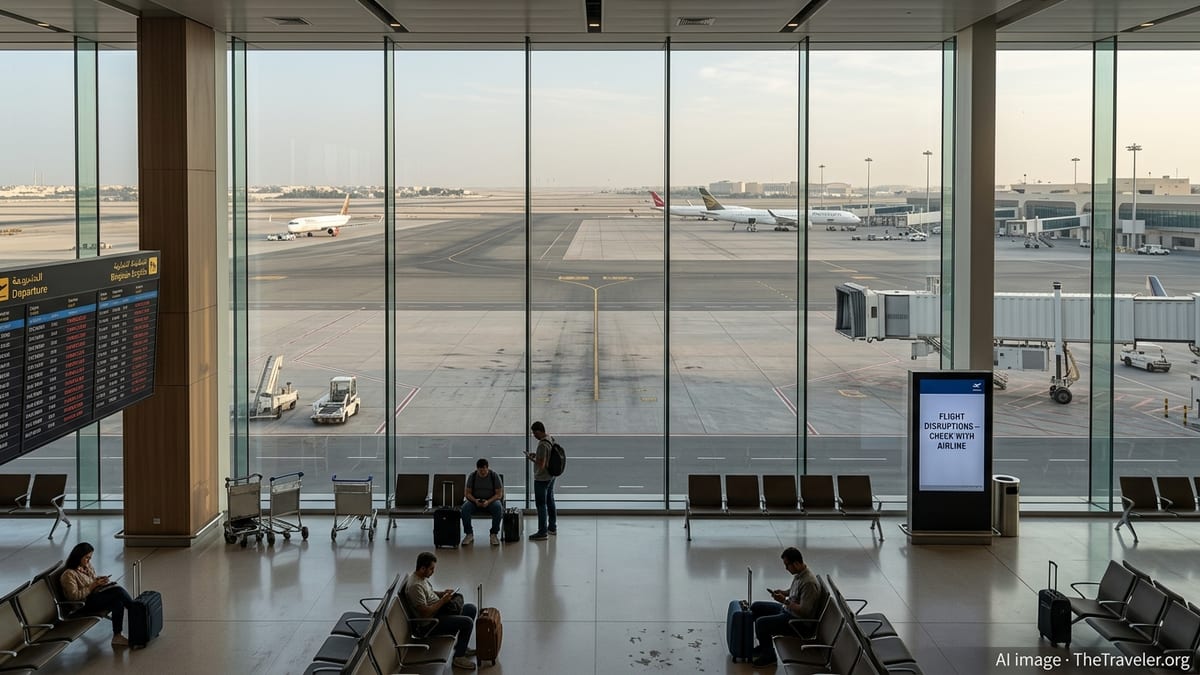
New Momentum Around Ceasefires and De-escalation
Recent weeks have seen a flurry of summits, phone calls and technical meetings focused on consolidating fragile ceasefires and preventing new flashpoints from spreading across the Middle East. Publicly available information shows that Saudi Arabia, Turkey, Egypt, Qatar and Pakistan have been engaged in overlapping tracks related to the Gaza ceasefire, the Iran conflict and maritime security in the Strait of Hormuz.
Reports indicate that gatherings hosted in capitals such as Cairo, Islamabad and Doha have brought together foreign ministers and senior envoys from Saudi Arabia, Turkey, Egypt, Qatar, China, Russia and several European states to coordinate positions on ceasefire frameworks and humanitarian access. These efforts build on earlier regional coordination over the Gaza ceasefire, which saw Qatar, Egypt and Turkey play visible roles in brokering pauses in fighting and prisoner exchanges.
China and Russia have positioned themselves as supporters of de-escalation, backing calls for an immediate end to hostilities and fresh negotiations. At the same time, Gulf states including Oman and Qatar have continued their niche role as discreet facilitators, hosting technical talks aimed at keeping communication channels open between rival capitals.
The convergence of so many actors around ceasefire diplomacy has raised expectations that at least some of the region’s most disruptive flashpoints could move from open conflict into managed negotiation, a shift closely watched by airlines, tour operators and travelers.
Gulf and European Capitals Coordinate on Regional Stability
Saudi Arabia has used its diplomatic clout to convene and participate in high-level discussions on the future of Gaza and broader regional security, often in tandem with Egypt, Qatar and the United Arab Emirates. Previous ministerial meetings hosted by Egypt with participation from Saudi Arabia, Qatar and other Arab states have endorsed Gaza ceasefire mediation and called for a wider political process, signaling a shared interest in a more predictable regional environment.
European governments have increasingly aligned themselves with these initiatives. The United Kingdom, in particular, has framed Middle East stability as central to both energy security and safe navigation in key waterways. Recent visits and statements from London have underlined support for long-term peace arrangements in Gaza and backing for Gulf partners that are actively mediating between warring parties.
For Oman, quietly hosting negotiations has reinforced its long-standing role as a bridge between rival blocs. The country’s track record as a venue for talks between Iran and Western powers has made Muscat an important stop on the current diplomatic circuit. This kind of steady behind-the-scenes engagement is viewed within the travel industry as a sign that key shipping and aviation chokepoints, notably around the Strait of Hormuz, may gradually become less vulnerable to sudden disruption.
As these regional and European efforts converge, travel stakeholders are beginning to factor in a scenario where risk premia on certain routes could ease over time, even if political solutions remain incomplete.
Travel Corridors, Airspace and Tourism Flows in the Balance
Middle East conflicts have had an immediate impact on global mobility, with overflight restrictions, rerouted long-haul services and heightened insurance costs reshaping aviation maps. Transit hubs in Qatar, the United Arab Emirates, Saudi Arabia and Turkey have faced operational pressures as airlines adjust schedules around no-fly zones and maritime security advisories.
According to regional media coverage, carriers have introduced longer routings to avoid higher-risk airspace, affecting journeys between Europe, Asia and Africa. Cruise ships and cargo lines have also adjusted itineraries to bypass contested waters, contributing to congestion on alternative routes and introducing new uncertainties into travel planning.
Tourism flows to Egypt, Jordan, Lebanon and parts of the Gulf have softened at various points since the latest escalation, as travelers weigh safety concerns and changing advisories. In online travel communities, would-be visitors have reported hesitations over transiting key hubs or booking itineraries that rely on unstable land borders, even where local tourism infrastructure remains fully operational.
Against this backdrop, every incremental sign of progress in peace talks is closely tracked by airlines, insurers and tour operators. A durable ceasefire in Gaza, clearer rules of engagement at sea and reduced risk of sudden cross-border escalation would collectively support a gradual recovery in demand and a normalization of flight paths.
Saudi Arabia and Turkey Position for Post-Conflict Tourism
Saudi Arabia and Turkey have their own strong incentives to see regional tensions ease, given ambitious tourism and investment strategies that depend on perceptions of safety and connectivity. Saudi Arabia’s long-term plans to attract tens of millions of visitors to new destinations such as the Red Sea coast and heritage sites along the kingdom’s western corridor hinge on stable air routes and reduced insurance costs for carriers and cruise operators.
Turkey, a traditional tourism powerhouse bridging Europe and Asia, has already experienced the economic impact of previous regional crises. Its Mediterranean, Aegean and cultural tourism centers remain highly competitive on price and product, but they are sensitive to conflict headlines. Active Turkish involvement in ceasefire discussions and multilateral peace summits is widely interpreted as an attempt to anchor the country in a more predictable security environment and reassure source markets in Europe and beyond.
Both countries are also central to north-south and east-west aviation networks, serving as key connectors between Europe, the Gulf, South Asia and Africa. Any improvement in regional risk assessments would directly bolster their status as preferred transfer hubs and short-break destinations, with potential spillover benefits for hotel pipelines, events and conference tourism.
Industry analysts note that if current ceasefire talks consolidate into longer-term arrangements, Saudi Arabia and Turkey are well placed to capture a larger share of pent-up demand from travelers who postponed Middle East trips during the height of the crisis.
What Travelers Should Watch in the Months Ahead
While the diplomatic pace has accelerated, conditions on the ground remain fluid, and security assessments can change quickly. Travelers eyeing itineraries that include Egypt, Jordan, Lebanon, Israel, the Palestinian territories, the Gulf or transit through Saudi Arabia, Qatar, Oman and Turkey are being advised by travel professionals to monitor official advisories from their home governments alongside reputable regional news outlets.
Key indicators to watch include the durability of ceasefire agreements in Gaza and along other regional front lines, the status of maritime security operations around the Red Sea and Strait of Hormuz, and any adjustments to international aviation safety notices. A sustained reduction in incidents affecting shipping lanes and airspace would likely be among the earliest tangible signs of improvement for the travel sector.
For now, industry expectations lean toward a patchwork recovery, with some destinations bouncing back faster than others as peace talks advance. Cities such as Doha, Riyadh, Jeddah, Istanbul and Cairo are positioning themselves as dialogue hubs as well as travel gateways, betting that diplomacy will eventually deliver the stability needed to revive tourism and restore traveler confidence across the wider region.