


More news on this day
Indian outbound tourists are increasingly trading fixed-group itineraries for flexible, self-drive holidays, with destinations such as Australia, New Zealand, Europe and the United States emerging as key playgrounds for independent road trips.
Get the latest news straight to your inbox!
Self-Drive Road Trips Move Into the Mainstream
Recent industry research on Indian holiday behaviour points to a decisive shift toward more immersive and independent travel styles. A 2025 holiday trends report by a leading Indian tour operator highlights that unique formats such as self-drive road trips now account for more than one third of preferred holiday types, alongside cruise and scenic rail journeys. This reflects a broader move away from whistle-stop sightseeing packages toward slower, experience-led travel.
Market analyses and travel trade coverage indicate that Indian travellers are also allocating larger budgets to international trips, often prioritising experiences such as road journeys, outdoor activities and regional food over shopping or traditional excursions. According to data from global payments and tourism bodies, Indian spending on foreign holidays has surged in recent years, supporting longer itineraries that lend themselves naturally to driving holidays.
Travel media in India report that self-drive car rentals are now widely promoted for outbound itineraries to Europe, Australia, New Zealand, the United States and South Africa. The format appeals to both families and groups of friends who want more control over where they stop, how long they stay and how much ground they cover, without being bound to a fixed coach route.
Why Indian Travellers Are Choosing the Driver’s Seat
Several converging factors are encouraging Indian tourists to take the wheel overseas. Published coverage of the India outbound market notes rising disposable incomes in urban centres, a young demographic comfortable with technology and an appetite for cinematic landscapes that are easily explored by road. Popular culture and social media, including road-trip themed films and influencer content from Europe, Australia and North America, have normalised the idea of hiring a car abroad and navigating independently.
Travel trade reports suggest that digital tools are lowering barriers to self-drive holidays. Online maps, navigation apps and real-time translation and booking platforms allow travellers to plot routes, find accommodations and locate fuel, food and attractions along the way. This digital confidence makes it easier for first-time self-drive tourists from India to consider road journeys in unfamiliar terrain, from alpine passes in Switzerland to coastal drives in California.
Cost considerations are also part of the equation. While international airfares and hotel rates have risen, car rental and fuel costs can be shared among family members or friends, making a multi-stop road trip competitive with guided tours. Analysts tracking the global car rental and campervan market note that middle-class interest in self-driven holidays in Asia is growing alongside flexible work patterns, encouraging longer stays abroad that blend leisure, remote work and travel.
Australia and New Zealand Showcase the Open Road
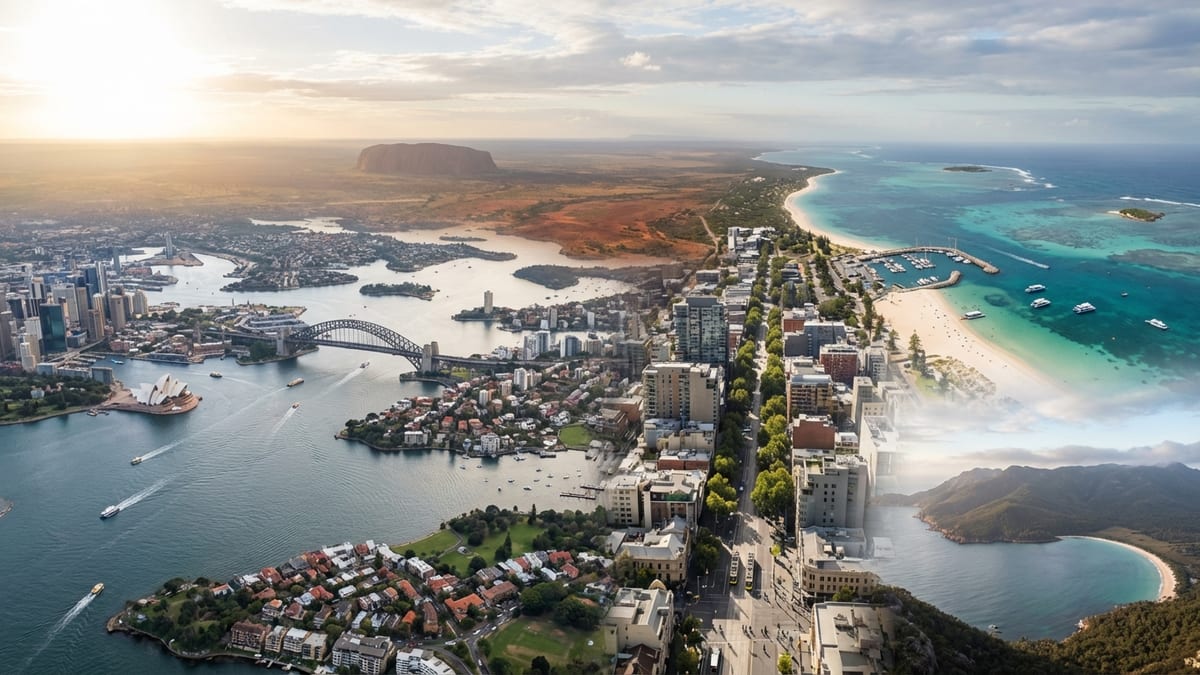
Australia and New Zealand have become flagship destinations for Indian self-drive enthusiasts, combining good road infrastructure with dramatic scenery. Travel features and tourism market snapshots from these countries describe a rise in Indian arrivals who choose to rent cars, SUVs and campervans to explore coastal routes, wine regions and national parks at their own pace.
Indian travel industry commentary highlights several practical advantages in these markets. In large parts of Australia and New Zealand, visitors drive on the left side of the road, which reduces the adjustment required for drivers from India. Reports also point to straightforward car rental processes, extensive availability of vehicles and clear signage, all of which help build confidence among first-time overseas drivers.
In New Zealand, policy changes around vehicle-based camping and the certification of self-contained motorhomes are reshaping how visitors plan campervan journeys. Official tourism and policy documents outline new standards for onboard facilities and freedom camping, prompting rental companies and travellers to adapt itineraries to meet local regulations while still tapping into the country’s strong road-trip culture.
Tourism insights from both countries show that Indian visitors increasingly view road trips as a way to reach lesser-known regions beyond gateway cities. From New South Wales coastal towns to South Island lakes and alpine passes, self-drive holidays are enabling itineraries that combine high-profile attractions with quieter local experiences.
Europe and the US Attract Experience-Focused Road Trippers
Europe and the United States are also seeing stronger interest from Indian travellers who want to explore by car. European tourism research notes that driving holidays have grown in popularity among regional travellers since the pandemic, reinforcing a well-established self-drive infrastructure of highways, scenic byways and roadside accommodations that international visitors can tap into.
Coverage of the European market shows that classic road-trip regions such as Switzerland, France, Germany and Italy remain popular, while Eastern European countries are emerging on Indian itineraries. Car rental market briefings describe robust demand in these destinations, supported by extensive leasing networks, campervan hire options and clear route information for visitors who want to split time between major cities and countryside drives.
In the United States, Indian tourists are increasingly structuring itineraries around iconic road journeys, from the Pacific Coast and national parks of the West to themed drives linking major cities. American travel and mobility studies signal that car rentals remain a central part of the US leisure travel ecosystem, offering Indian visitors a familiar way to cover large distances while tailoring their stops to interests such as nature, gastronomy, shopping or theme parks.
Analysts tracking outbound flows from India to Europe and North America note that longer stays and higher per-trip spending create room in budgets for car hire and fuel. This, in turn, encourages travellers to consider flexible multi-state or multi-country routes instead of one-city stays or tightly packed coach tours.
Flexibility, Safety and Planning Shape the Next Phase
Across these long-haul destinations, the appeal of self-drive holidays for Indian travellers is closely tied to flexibility and perceived safety. Post-pandemic surveys of global tourists indicate a preference for controlling one’s own transport and choosing travel companions, which aligns naturally with renting a private vehicle rather than relying exclusively on shared buses or group excursions.
Indian and international travel publications emphasise that planning remains crucial, especially around insurance, driving rules, seasonal weather and local regulations on parking and camping. Detailed pre-trip research on licence requirements, one-way rental fees, toll systems and vehicle types is increasingly handled through online forums, comparison platforms and destination guides.
Industry observers expect the self-drive trend to deepen as more Indian travellers gain overseas driving experience and share it via social media and review platforms. With car rental and campervan companies tailoring products to first-time international drivers and tourism offices promoting themed driving routes, Australia, New Zealand, Europe and the United States are likely to see a steady rise in Indian visitors who choose to experience their landscapes from behind the wheel.