

More news on this day
A pedestrian was struck and killed by a freight train near Vero Beach, Florida, leading to the shutdown of multiple railroad crossings and causing significant travel disruptions across the surrounding area as investigators reviewed the circumstances of the fatal incident.
Get the latest news straight to your inbox!
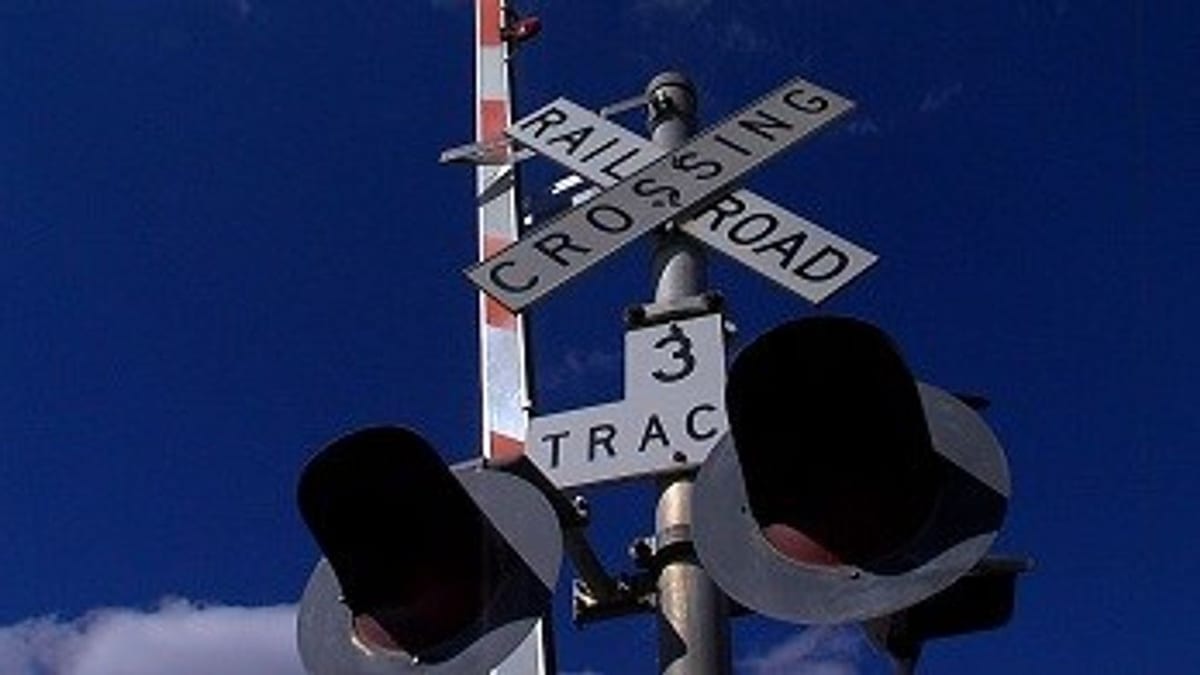
Image by WPEC
Fatal collision halts rail and road traffic
Initial reports indicate that the collision occurred at a grade crossing on the Florida East Coast Railway corridor in the Vero Beach area, where a southbound freight train struck a person on or near the tracks. Information posted in federal rail safety data and early local coverage describes the incident as involving a pedestrian who was fatally injured at the scene.
Following the impact, train traffic was temporarily held while responders secured the location and documented the crash. Multiple nearby crossings were closed to vehicles and pedestrians, affecting local movement across the busy north–south rail line that parallels Old Dixie Highway and U.S. 1 through Indian River County.
The closures left motorists facing extended detours as traffic was rerouted to open overpasses and alternative crossings. Drivers reported long queues near major east–west routes, where congestion intensified as vehicles funneled toward a limited number of open intersections across the tracks.
Rail operations on the freight corridor were gradually restored after on-site work was completed, but residual delays continued while trains moved through the area under additional restrictions.
Multiple crossings closed during investigation
Publicly available incident summaries show that several crossings in the Vero Beach area were blocked for an extended period while the crash scene was documented and debris was cleared. Railroads typically halt movements through a defined stretch of track after a fatal collision, which in turn forces the shutdown of any roadways that intersect that section of line.
In this case, drivers reported seeing crossing gates lowered and signals active at multiple intersections near the crash point. Detour patterns shifted traffic toward crossings that remained open, including locations where Old Dixie Highway, U.S. 1 and neighborhood streets pass over or across the tracks.
For residents and visitors, the disruption highlighted how closely tied local mobility is to the single main rail corridor along Florida’s Treasure Coast. When a train stops across an intersection or a section of track is held out of service, several neighborhoods can be temporarily cut off from their most direct east–west routes.
Travel delays also affected freight operations that share the route, with trains staged north and south of Vero Beach until the line fully reopened. That congestion can ripple along the corridor, slowing movements to and from other communities in Indian River and neighboring counties.
Context: recurring rail safety concerns on the Treasure Coast
The Vero Beach area has seen heightened attention to rail safety in recent years as both freight and higher-speed passenger services operate on the same coastal corridor. According to published data on pedestrian railroad safety in the United States, several hundred people on average are killed each year while walking on or near tracks, making such incidents a leading cause of rail-related deaths nationally.
Florida’s east coast line, which carries both freight trains and Brightline passenger services in different segments, passes through densely populated coastal communities with frequent grade crossings. Local coverage in recent years has documented a series of collisions involving pedestrians, cyclists and motor vehicles along the Treasure Coast, contributing to ongoing debates about fencing, signage and warning systems.
State and county documents describing previous and planned crossing projects in Vero Beach reference recurring challenges where neighborhood streets meet the tracks. As freight traffic has increased and passenger service expanded farther north, residents have raised concerns about blocked crossings, train speeds and driver behavior at busy intersections.
While the latest fatality near Vero Beach involved a freight train, it is part of a wider pattern of risk wherever people attempt to cross tracks outside designated areas or move around closed gates, as highlighted in national rail safety analyses.
Impact on local travel and visitor experience
The shutdown of multiple rail crossings near Vero Beach created immediate challenges for both residents and visitors, including travelers using coastal routes to reach beaches, hotels and vacation rentals. With several crossings blocked at once, drivers found themselves circling back to major arteries in search of open intersections, lengthening trips across town.
Vero Beach’s downtown grid and nearby residential areas rely on a mix of at-grade crossings and a few grade-separated options to connect the barrier island, U.S. 1 corridor and inland neighborhoods. When a critical section of the rail line is held for a crash investigation, those connections can quickly become congested, particularly during peak beachgoing hours and seasonal tourism periods.
For visitors unfamiliar with the area, the closures can be especially confusing, as GPS navigation may route traffic toward blocked crossings before updated road-closure information filters through. Local travel advisories typically encourage drivers to be prepared for sudden delays near the rail line if an incident occurs and to allow extra time when moving between the mainland and oceanfront areas.
Hospitality businesses near the corridor often monitor local traffic reports closely, since extended crossing closures can delay staff, disrupt deliveries and complicate guest arrival times when detours stretch across town.
Safety reminders for pedestrians and drivers near rail lines
National safety campaigns emphasize that pedestrians should never walk along tracks or attempt to cross at any point other than a marked public crossing. Trains may be quieter and faster than expected, and it can be difficult to accurately judge speed and distance, particularly on straight, open stretches of line such as those that run through the Vero Beach area.
For drivers, safety organizations recommend stopping well in advance of the tracks when warning signals activate, never attempting to go around lowered gates and avoiding stopping on the rails while waiting in traffic. If a vehicle becomes trapped between gates, standard guidance urges motorists to drive through the exit gate if necessary to clear the tracks, as the breakable arm is designed to yield.
Rail corridors along Florida’s east coast are projected to remain busy as freight volumes and passenger demand continue to grow. Transportation planners have identified upgrades such as improved signal timing, additional signage, raised medians and, in some locations, quiet zones and enhanced barriers as tools that can help reduce risky behavior near crossings.
The fatal collision near Vero Beach underscores how quickly a momentary misjudgment around tracks can turn into a life-ending event, and why public agencies and rail operators continue to pair infrastructure improvements with repeated safety messaging for both pedestrians and drivers.