


More news on this day
Thousands of New York area commuters are still facing severe disruption after an electrical fire near Penn Station damaged key infrastructure, leaving Long Island Rail Road and Amtrak services reduced and heavily delayed into the new work week.
Get the latest news straight to your inbox!
Electrical fault in East River tunnel triggers cascading delays
According to publicly available information from regional broadcasters and rail operators, an electrical fire in one of the East River tunnels leading into New York’s Penn Station broke out during a busy weekday period last month. Initial reports indicate that a trackside component and associated cabling were damaged, forcing trains using the affected tunnel out of service while inspections and emergency repairs were carried out.
Coverage of the incident describes how smoke in the tunnel and around the platforms led to a rapid suspension of several Long Island Rail Road services into Penn Station. Amtrak movements through the complex were also curtailed, with priority given to safely moving any trains already in the tunnel system before shutting down the damaged route.
The fire itself was contained within a relatively small section of infrastructure, but the knock-on effect on operations has been far more extensive. With one of the primary approach routes to Penn Station constrained, dispatchers have had to thread remaining services through fewer tracks, creating bottlenecks that quickly ripple through already crowded peak-hour timetables.
Published accounts from New York media show that while emergency crews cleared the immediate hazard within hours, the resulting inspection regime, signal testing and power-system checks have continued to limit capacity days after the flames were extinguished.
Long Island Rail Road services cut as repairs drag on
For Long Island Rail Road passengers, the tunnel fire has translated into a prolonged period of cancellations, diversions and short-notice timetable changes. Service updates indicate that several key branches into Manhattan have been running at reduced frequencies, with some peak services either combined, rerouted to alternative terminals or terminated short of Penn Station.
Reports suggest that trains which would ordinarily run direct into Penn have been diverted to Atlantic Terminal in Brooklyn or to Jamaica for onward subway connections. While these alternatives keep some passengers moving, they add additional transfers and crowding at already busy interchange points, extending journey times for many riders by 30 minutes or more.
Rail operators have signalled that the constrained pattern is likely to continue until engineers are satisfied that the damaged equipment in the East River tunnel can reliably handle full traffic. Publicly available statements reference ongoing testing of power feeds, signal circuits and ventilation systems in the affected bore, a process that must meet strict safety thresholds before pre-incident levels of service can resume.
Many trains that do reach Penn Station are also operating with adjusted stopping patterns, skipping some intermediate stations to preserve overall throughput. This has left outer-suburban riders particularly affected, with fewer boarding options and busier trains once they do arrive.
Amtrak and regional links squeezed through limited capacity
The fire has not only affected local commuters. Amtrak’s intercity services along the Northeast Corridor, which also rely on access through the Penn Station tunnels, have been operating under constraints as dispatchers juggle scarce track space between different operators. Timetables published after the incident show select Amtrak departures retimed, combined or subject to extended journey times into and out of New York.
Regional coverage notes that Amtrak has attempted to maintain core long-distance links while trimming some off-peak or secondary services where alternative options exist. Even so, passengers have been advised to expect residual delays and platform changes at short notice, particularly at times when freight or maintenance movements also need to transit the complex.
With fewer available slots through the damaged tunnel, rail planners have leaned heavily on the remaining approach routes, increasing the density of movements through parallel bores and approach tracks. This has reduced operational flexibility and left little spare capacity to recover from minor incidents or late-running trains elsewhere on the corridor.
Travel reports also highlight the impact on connecting services, as late arrivals into Penn Station cause passengers to miss onward regional or subway connections, further amplifying the sense of disruption across the wider network.
Commuters face crowding, longer journeys and uncertain timetables
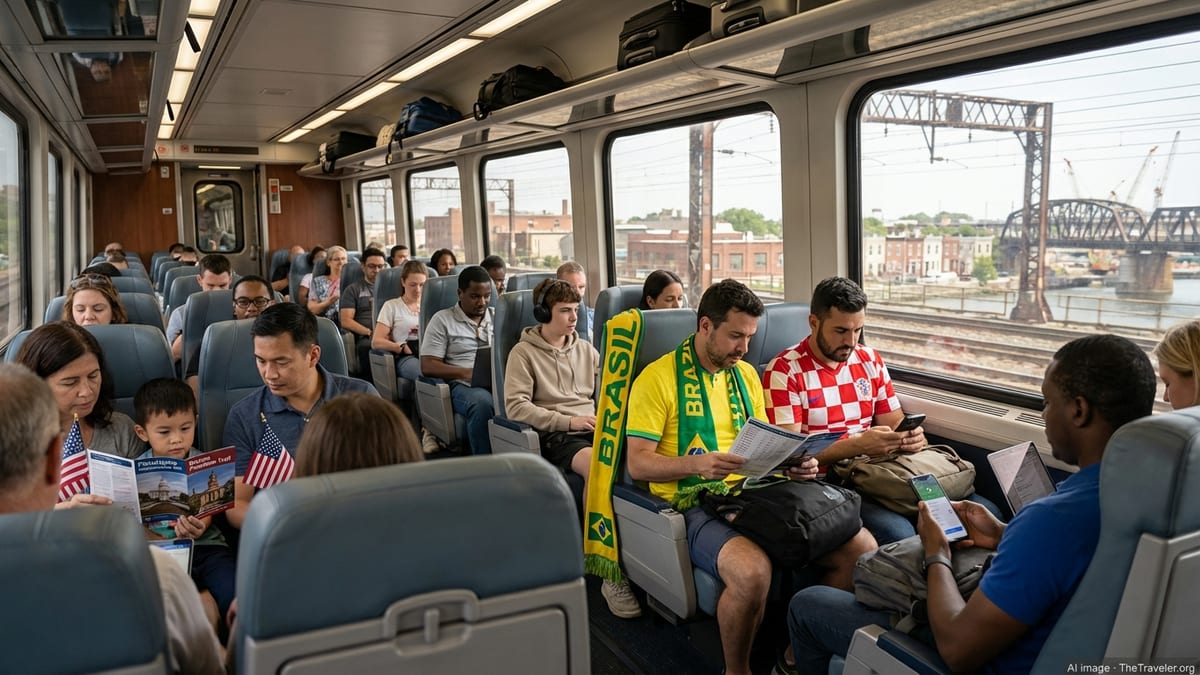
For everyday riders, the operational complexities translate into a much more tangible experience of packed platforms, crowded trains and heightened uncertainty. Photographs and on-the-ground accounts published by local outlets show long queues forming at station entrances, with some passengers temporarily held back from platforms to manage crowding while delayed trains arrive.
Many commuters have turned to alternative routes, including subway lines, express buses and ferries, in an effort to avoid the worst of the disruption at Penn Station. However, these options also appear to be feeling the strain, with bus and subway ridership spiking on affected days and travel times lengthening on key corridors into Midtown Manhattan.
Travel advice shared by rail operators and city agencies has encouraged passengers who can adjust their schedules to travel outside the busiest peaks, work remotely where possible, or consider using Grand Central Madison and other alternative hubs where appropriate. Despite these efforts, the sheer volume of daily riders into Penn Station means that many journeys still involve delays, missed connections and standing-room-only conditions.
Reports from passenger advocacy groups suggest growing frustration as the disruption continues beyond the initial incident window, particularly among shift workers and lower-income riders who have less flexibility to change travel times or work remotely.
Ongoing safety checks and infrastructure resilience in focus
Publicly available information from rail operators indicates that a significant portion of the continued disruption is linked to mandatory safety and inspection procedures following the tunnel fire. Engineers must verify not only that the damaged components are repaired, but also that nearby wiring, signal relays and ventilation equipment have not suffered hidden heat or smoke damage.
The incident has renewed attention on the vulnerability of aging rail infrastructure that carries enormous daily passenger volumes through a limited number of tunnels and platforms. Commentary in regional and national coverage notes that even a relatively contained fire can remove a key route from service, with little redundancy available to absorb the shock.
Transit analysts cited in recent reporting point to ongoing capital programs intended to add capacity and modernise signaling on the approaches to Penn Station. However, these projects are complex and long term, leaving commuters to cope with immediate disruptions while broader upgrades remain years away from completion.
As repair crews continue their work, operators are expected to issue rolling updates on service availability, with riders urged to check the latest information before travelling. Until full tunnel capacity is restored, Penn Station is likely to remain a pinch point for the region’s rail network, keeping the risk of renewed delays high even after the visible signs of the fire have faded.