

More news on this day
A new wave of incentives on airport charges in the Philippines is helping unlock a surge in travel from Japan and South Korea, bolstering demand for Philippine Airlines and Cebu Pacific routes even as carriers grapple with higher fuel and operating costs.
Get the latest news straight to your inbox!
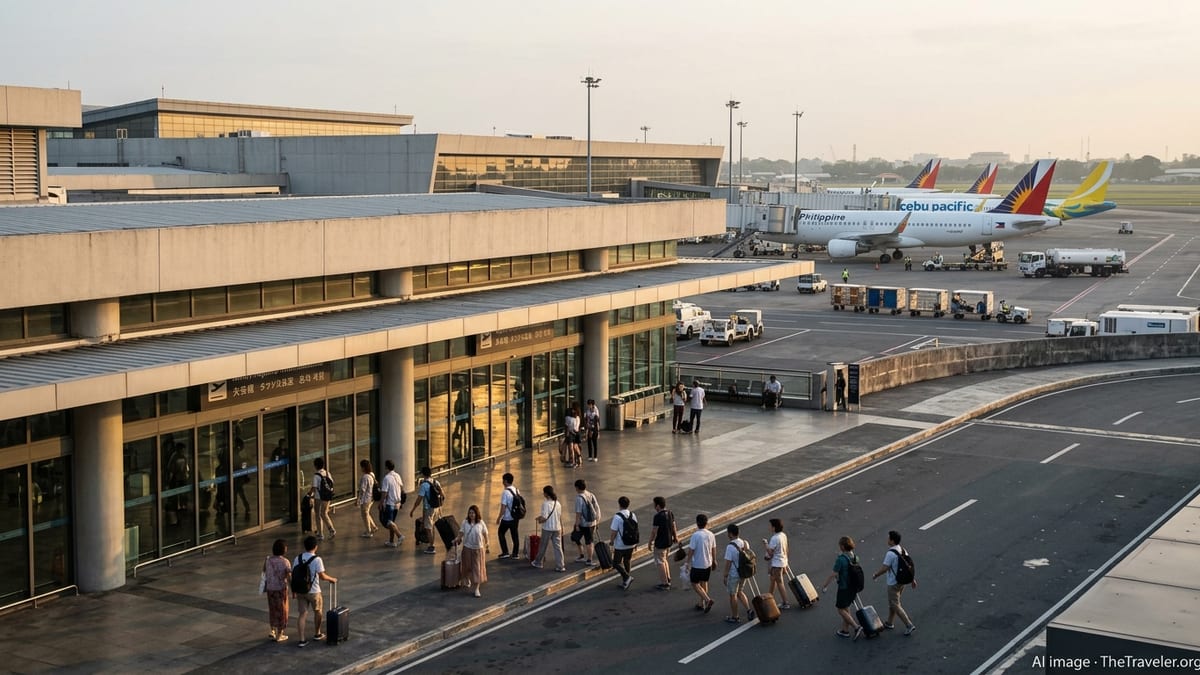
Airport Charge Relief Targets New Links and Higher Traffic
Publicly available information from aviation and tourism authorities indicates that the Philippine government has been rolling out targeted reductions and incentives on airport and navigational fees at key gateways, particularly for new and underserved international routes. The measures are designed to attract more flights, encourage airlines to add capacity, and deepen connectivity with priority markets such as Japan and South Korea.
Airport charge cuts typically take the form of discounts on landing and takeoff fees, passenger service charges, and other airport-related costs for a limited period when airlines open or expand routes. By easing these fixed expenses at the airport level, policymakers aim to offset some of the pressures created by elevated fuel prices and higher financing costs across the aviation sector.
Industry commentary suggests that these incentives are closely aligned with broader national tourism goals, including the push to lift total foreign arrivals and tourism receipts beyond pre-pandemic peaks. In practice, lower airport charges improve route profitability thresholds, making it more viable for airlines to mount additional flights to secondary cities in Japan and South Korea or increase frequencies on already popular trunk routes.
The policy moves position the Philippines alongside other Asia Pacific governments that are using airport fee discounts and tourism-linked incentives to compete for limited aircraft capacity. For travelers, the result is slowly materializing as more seat options, seasonal routes, and promotional fares linking Philippine destinations with Japanese and South Korean cities.
Japan and South Korea Emerge as Star Tourism Markets
Japan and South Korea have emerged as standout growth markets for Philippine tourism, according to tourism board and industry reports tracking visitor arrivals. South Korea remained the country’s largest inbound source market in 2024, contributing around 1.76 million visitors, while Japan delivered double-digit growth and hundreds of thousands of arrivals on the back of intensified marketing campaigns and new flight options.
Analysts note that currency dynamics have played a role in shaping demand. A weaker yen has helped fuel outbound travel from Japan across Asia, while South Korean demand, though sensitive to economic conditions at home, remains structurally strong thanks to short flight times, visa-friendly policies, and the Philippines’ appeal for beach, diving, and language study travel.
Philippine tourism promotion agencies have been particularly active in Osaka, Tokyo, Busan, Daejeon, and Seoul, where recent business missions have generated hundreds of millions of pesos in sales leads for resorts, tour operators, and airlines. These commercial gains are now feeding into concrete route developments and capacity additions by carriers such as Philippine Airlines and Cebu Pacific, which are racing to secure a larger share of the Japan and South Korea leisure and visiting-friends-and-relatives segments.
The surge in visitors from these two Northeast Asian markets is also spreading benefits beyond Manila and Cebu. Secondary destinations including Bohol, Palawan, Boracay, and emerging cultural hubs in the north of Luzon are reporting stronger bookings from Japan- and Korea-based travel agencies, underlining how air connectivity and airport fee strategies can influence regional tourism dispersion.
Philippine Airlines Bets Big on Japan and Korea Capacity
Philippine Airlines is leaning into the Japan and South Korea boom with a mix of seasonal routes, added flights, and larger aircraft. Recent schedules and corporate updates show expanded services from Manila and Cebu to major Japanese cities such as Osaka, Nagoya, Fukuoka, Tokyo Haneda, and Narita, along with a seasonal Sapporo route aimed at capturing winter and spring holiday traffic.
During peak travel periods, the flag carrier has been boosting frequencies on Cebu–Osaka and Cebu–Narita services, while resuming or enhancing links to Sapporo and other high-yield Japanese gateways. For South Korea, PAL has been increasing Manila–Busan frequencies to tap rising outbound leisure demand and to position the Philippines more firmly as a winter-sun alternative to other regional destinations.
Airline planning data indicates that airport charge discounts at Philippine gateways are factored into route economics, particularly when assessing seasonal or marginal routes in Japan and Korea. Lower airport fees can justify higher seat capacity during peak weeks or support the reactivation of routes that might otherwise struggle under current fuel and leasing costs.
For local hotels and resorts, PAL’s expanded Japan and Korea footprint means a more dependable flow of higher-spending visitors. This, in turn, encourages investment in new hospitality projects near key airports and in resort corridors, creating a positive feedback loop between aviation incentives, route growth, and tourism infrastructure.
Cebu Pacific Rides Budget Demand Despite Higher Fuel Costs
Cebu Pacific, the country’s largest low-cost carrier by passengers carried, is also capitalizing on renewed interest from Japanese and Korean travelers while confronting a challenging cost environment. Company disclosures show that total fuel expenses in 2024 rose by around 10 percent year-on-year, contributing to a moderation in net income even as passenger numbers climbed to roughly 24.5 million and load factors stayed robust.
To sustain growth, the airline has kept a sharp focus on volume, leveraging aggressive seat sales, anniversary promotions, and network expansion to Japan and South Korea. Recent campaigns have included peso-level base fares on selected international routes, with travel windows extending into late 2026 and early 2027, encouraging early bookings from value-conscious travelers in both outbound Filipino and inbound foreign markets.
Increased airport charges at some facilities worldwide have been partly offset in the Philippines by incentive schemes tied to new routes and added capacity. Publicly available investor materials highlight that, apart from fuel, rising airport and crew costs are key drivers of overall operating expenses. Against this backdrop, targeted airport fee reductions create breathing room that allows Cebu Pacific to maintain its low-fare proposition while adding flights to high-potential Japan and Korea city pairs.
The combination of lower airport charges and sustained promotional activity is proving particularly powerful in attracting first-time international travelers and repeat visitors alike. Budget-conscious Japanese and Korean tourists are finding more direct, low-frills options into Philippine resort gateways, feeding occupancy in midscale hotels and smaller independent properties that might previously have struggled to tap these markets.
Hospitality Sector Rides the Connectivity Wave
The effects of the airport fee incentives and airline capacity build-up are filtering across the Philippine hospitality landscape. Hotel and resort operators report stronger forward bookings from Japanese and South Korean markets, while meetings, incentives, conferences, and exhibitions planners are increasingly considering Philippine locations for regional events, citing improved air links and competitive travel costs.
In major gateway cities such as Manila and Cebu, higher passenger volumes have supported new hotel openings and refurbishments, particularly in midscale and upper-midscale segments that appeal to group tours and free independent travelers from Northeast Asia. Coastal destinations are similarly benefiting, with beachfront developments and dive resorts noting larger shares of guests arriving on Japan and Korea-originating flights.
Analysts caution that rising fuel prices and broader macroeconomic uncertainty still pose risks to the current upswing. However, the interplay of airport charge reductions, proactive tourism promotion in Japan and South Korea, and airlines’ willingness to deploy capacity continues to underpin a broadly optimistic outlook. As long as travel demand from these key markets holds, the Philippines appears set to maintain its momentum as one of Asia Pacific’s most dynamic tourism growth stories.