

More news on this day
Luxury expedition cruise line Ponant is set to redefine polar travel in 2027 with a new Antarctic sailing that embeds ocean scientists and veteran explorers on board, giving travelers an unusually intimate window into cutting-edge research at the bottom of the world.
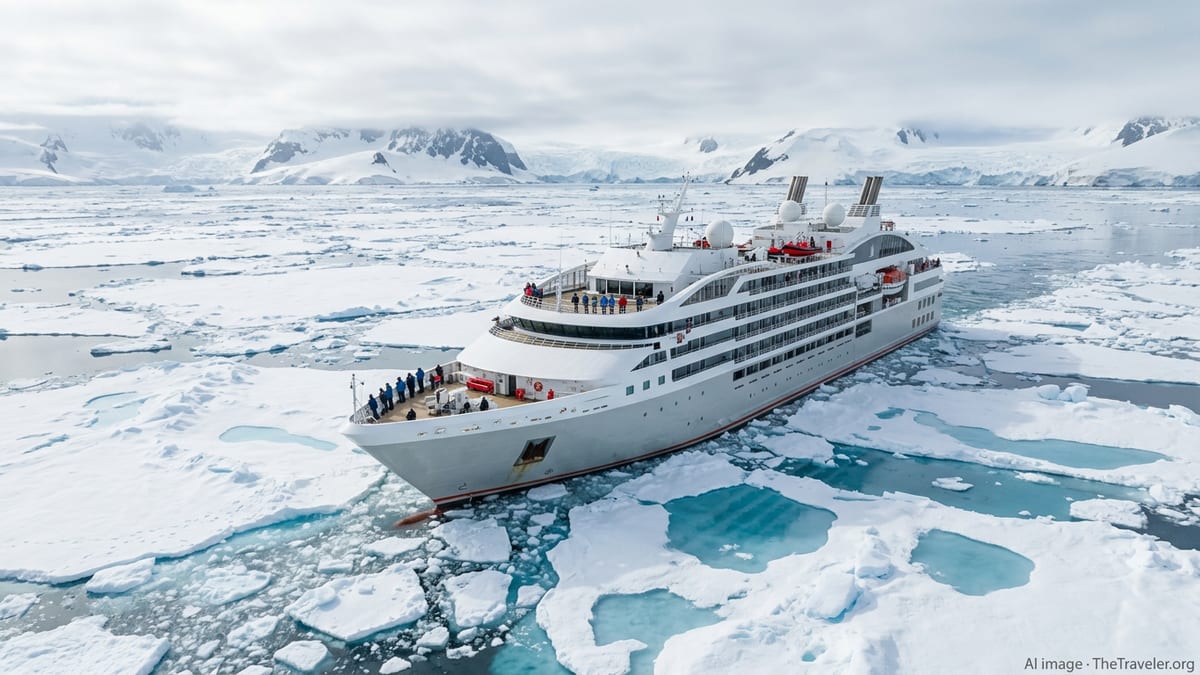
A New Kind of Antarctic Voyage for 2027
Ponant Explorations has confirmed plans for an immersive science-focused itinerary, “Antarctica: Ocean (Re)Imagined,” departing December 7, 2027 aboard the small expedition ship Le Lyrial. The 10-day voyage from Ushuaia will traverse the Drake Passage to the Antarctic Peninsula, blending classic ice and wildlife landings with a structured program of onboard research, talks, and field demonstrations.
The sailing is being designed with scientists from Woods Hole Oceanographic Institution, the independent ocean science powerhouse best known for its polar and deep-ocean research. The collaboration aims to reframe the typical Antarctic cruise as a live classroom, where guests can see, and in some cases assist with, real-time ocean observations in one of the most climate-critical regions on Earth.
The 2027 departure builds on Ponant’s broader push to embed science teams on its fleet, including its hybrid-electric icebreaker Le Commandant Charcot and several classic expedition vessels sailing in both polar regions. The company has been gradually opening its ships and laboratories to external researchers, allowing expeditions to double as floating field stations without sacrificing guest comfort.
For travelers, the result is a rare opportunity to experience Antarctica not only as an otherworldly landscape of ice and wildlife, but as a living laboratory where the future of the planet’s oceans and climate is being studied in real time.
Ocean Science at Sea: Partnering with WHOI and Explorers
The 2027 Antarctic sailing extends a three-year partnership between Ponant and Woods Hole Oceanographic Institution that formally launched with a 2025 emperor penguin voyage in the Weddell Sea. On those earlier cruises, WHOI glaciologists and early-career researchers joined to study ice–ocean interactions and coastal change while engaging passengers through lectures and deck-side demonstrations.
For “Antarctica: Ocean (Re)Imagined,” WHOI scientists plan to bring elements of their Southern Ocean work directly onto the ship. That is expected to include deploying simple oceanographic instruments from the vessel, sharing satellite and model data that guide modern polar expeditions, and explaining how measurements of temperature, salinity, currents, and sea ice feed into global climate models.
The science presence will be complemented by Ponant’s separate alliance with The Explorers Club, whose members have been joining select polar voyages to share stories from historic and modern expeditions. While specific 2027 speakers have yet to be finalized, Ponant has signaled that upcoming seasons will continue to feature Explorers Club fellows and grantees across its polar program, giving guests first-hand insight into field logistics, survival, and exploration history in extreme environments.
Together, the dual focus on contemporary science and classic exploration is designed to give travelers a richer context for what they are seeing on shore landings and Zodiac cruises, from retreating glacier fronts to the behavior of penguin colonies along a rapidly changing coastline.
What Guests Can Expect On Board and Ashore
Le Lyrial, carrying around 200 guests on Antarctic departures, is among Ponant’s smaller ice-strengthened ships, built to balance maneuverability with comfort. The 2027 itinerary is scheduled at the height of the austral summer, when conditions typically allow for a mix of landings and Zodiac outings among icebergs, rocky headlands, and wildlife-rich bays of the Antarctic Peninsula and nearby islands.
On board, the company is planning an expanded lecture program that moves beyond standard natural history talks. WHOI oceanographers and polar specialists are expected to lead sessions on Southern Ocean circulation, sea ice formation, and the role of the Antarctic in regulating global sea level and carbon uptake. Evening recaps may include updates on any data collected that day, from water column profiles to observations of ice conditions.
Ashore, the expedition team will continue Ponant’s low-impact landing protocols, likely limiting the number of guests per site in accordance with Antarctic tourism guidelines. Scientists may join some shore excursions to point out signs of long-term environmental change, from shifting penguin species distributions to the condition of snow and ice around breeding areas and research stations.
While the voyage maintains the hallmarks of a luxury expedition cruise, including French-inspired hospitality and refined dining, the emphasis for 2027 will be on participation and curiosity. Guests could be invited to log wildlife sightings for citizen science projects, sit in on informal Q&A sessions with researchers, or simply spend more time on deck, watching for whales and seabirds with scientists who know the region’s dynamics in fine detail.
Antarctica Tourism Evolves Toward Purposeful Travel
Ponant’s 2027 plans arrive as Antarctica travel continues to rebound and diversify, with more operators adding science components, citizen science projects, and expert-led itineraries. Industry observers say Ponant has been among the more active in formalizing research partnerships and dedicating shipboard space, time, and funding to scientific work alongside tourism.
The company’s icebreaker Le Commandant Charcot has already hosted multi-institution teams studying topics ranging from sea ice physics to ocean biogeochemistry, while smaller expedition ships have quietly supported projects on seabirds, marine mammals, and plastic pollution. A dedicated grant program with The Explorers Club is now funding scientists to join select voyages across the fleet through 2027 and beyond.
For the Antarctic Peninsula, these initiatives reflect a broader shift toward “purposeful voyages” in a region that is simultaneously fragile, highly regulated, and increasingly popular. By making ocean and climate science visible to paying guests, Ponant and its partners hope to strengthen support for protective measures while offering a deeper, more reflective experience than a simple checklist of landings and photo stops.
With the 2027 “Antarctica: Ocean (Re)Imagined” departure, Ponant is signaling that the future of high-end polar cruising lies not just in comfort and access, but in meaningful engagement with the scientists and explorers working at the frontiers of change in the world’s most remote seas.