

More news on this day
Port Tampa Bay is moving ahead with plans for a new cruise terminal after a record 2025 season that saw more than one and a half million passengers move through the Florida Gulf Coast gateway, while parallel investments in warehouses and container facilities aim to keep pace with surging cargo demand.
Get the latest news straight to your inbox!
Record Cruise Volumes Underscore Need for Added Capacity
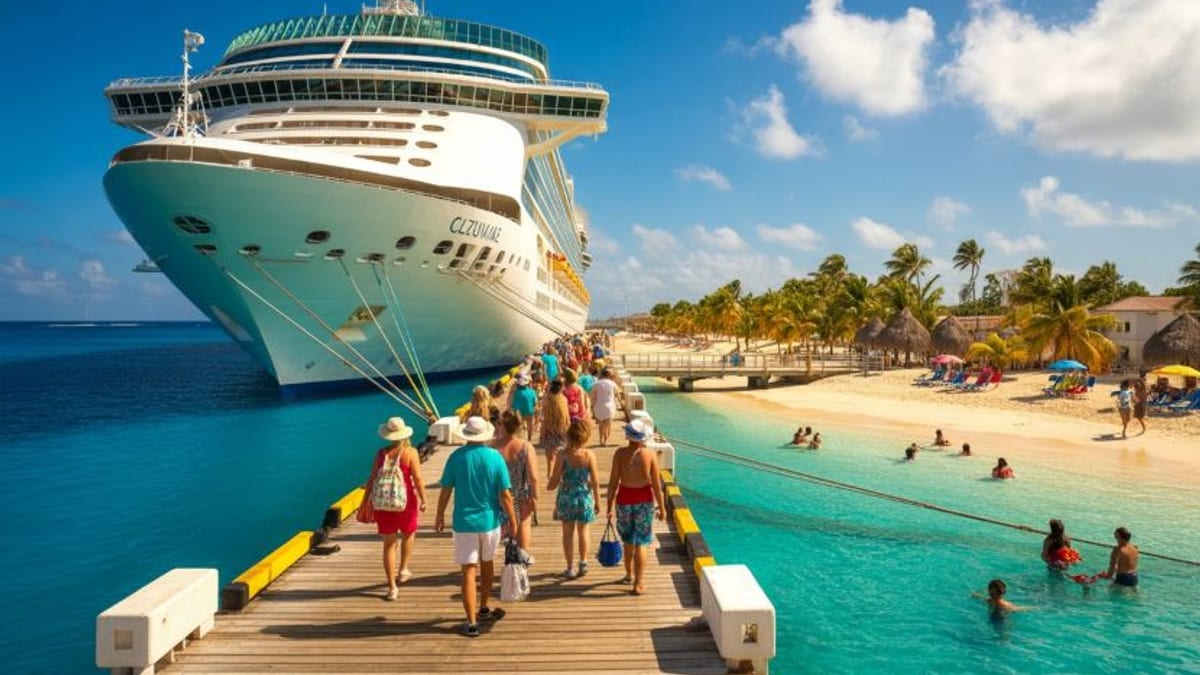
Publicly available figures for calendar year 2025 show Port Tampa Bay handling in excess of 1.6 million cruise guests, a new high that cements the port’s position as one of Florida’s fastest-growing cruise homeports. Reports from industry outlets describe around 368 cruise ship sailings during the year, with passenger totals surpassing the 1.5 million threshold and climbing toward 1.66 million as new ships and itineraries were added.
This rapid growth follows several consecutive years of recovery and expansion in the cruise sector. Coverage of the port’s performance indicates that Tampa has benefited from a strong mix of mainstream, premium and seasonal deployment, with major cruise brands homeporting vessels that sail to the Caribbean and Mexico. The rising passenger counts have begun to stretch the capacity of the existing three cruise terminals located along Channelside Drive near downtown.
Industry reports note that the port has already made operational changes to accommodate higher volumes, including schedule coordination and improved traffic management around the terminal district. Even so, continued growth into 2026 and beyond is expected to require additional berth space, passenger processing areas and embarkation infrastructure to avoid congestion during peak turnaround days.
Fourth Cruise Terminal Planned to Support Future Growth
According to recent cruise trade coverage, Port Tampa Bay is advancing plans for a fourth cruise terminal designed to handle the next wave of fleet deployments and larger ships calling on the Gulf Coast. The project is described as part of a broader long-range master plan that envisions Tampa handling well over its current passenger volumes as cruise lines introduce new capacity to the region.
Reports indicate that the new terminal would add another dedicated berth and modernized passenger facilities, with the potential to support as many as 200 additional ship calls per year once fully integrated into the schedule. Industry analyses suggest that this could translate into more than 1 million incremental passengers annually over time, depending on ship size, itinerary length and seasonal demand patterns.
Planning discussions referenced in public documents highlight a focus on improved passenger flow, upgraded boarding bridges and better integration with adjacent urban development. Observers note that Tampa’s evolving downtown waterfront, including nearby attractions and hospitality options, is an important factor in how the new terminal will be positioned and designed.
While detailed construction timelines and final design renderings have not yet been widely published, available information points to a multi-year project intended to align with both cruise line deployment plans and local infrastructure improvements across the central business district.
Expanding Warehouses and Container Terminals Alongside Cruise Growth
The surge in cruise activity at Port Tampa Bay is taking place alongside continued expansion in cargo operations, particularly in the container and logistics sectors. Trade publications and business media report that the port handled more than 260,000 shipping containers in 2025, a significant increase that reflects Tampa’s rising role as a regional distribution hub for central and west-central Florida.
To support that growth, the port is moving forward with enlarging its container terminal footprint and associated warehouse capacity. Coverage from regional business outlets notes investments aimed at expanding the terminal area toward roughly 100 acres, supported by the purchase of additional container cranes and the development of new on-dock or near-dock warehouse facilities.
State-level freight planning documents and maritime industry analyses further outline a pipeline of projects that include rail-served transload warehouses, additional yard space and upgraded gate facilities. These improvements are intended to make it easier for shippers and logistics providers to move goods through Tampa, reducing congestion on nearby highways and creating more options for importers and exporters using Gulf Coast routings.
Observers point out that cruise and cargo investments are closely linked in Tampa’s long-term strategy. As the port adds a new cruise terminal to accommodate more guests, concurrent upgrades in its container and warehouse complex are expected to bolster overall revenue diversity and economic resilience.
Economic Impact for Tampa Bay’s Tourism and Logistics Sectors
Economic impact reports summarized in local coverage attribute billions of dollars in annual activity to Port Tampa Bay’s combined cruise and cargo businesses, along with tens of thousands of direct and indirect jobs across the region. The record-setting 2025 cruise season, together with growing container volumes, is viewed by analysts as a key driver of hotel stays, restaurant spending, attraction visits and supply chain employment in Hillsborough County and beyond.
Tourism observers note that cruise guests passing through Tampa often extend their stay to visit destinations such as Ybor City, the Florida Aquarium and nearby Gulf Coast beaches. With passenger volumes rising, the planned fourth cruise terminal is expected to channel additional visitor spending into the local economy, reinforcing Tampa Bay’s position as a gateway for both domestic and international travelers.
On the cargo side, expanded warehouses and container yards are anticipated to support the growing population and consumer base in central Florida. Logistics and distribution companies that establish or enlarge operations at Port Tampa Bay can tap into a large regional marketplace, while manufacturers and agricultural exporters gain another option for reaching overseas customers through Gulf shipping routes.
Regional planners frequently describe the port as a critical connector between Tampa’s urban core, its industrial zones and the broader statewide freight network. New cruise and cargo investments are therefore seen as having multiplier effects that extend into real estate, transportation and workforce development.
Competitive Landscape Among Florida Ports
Port Tampa Bay’s expansion plans unfold within a highly competitive Florida port system in which PortMiami, Port Everglades, Port Canaveral and others are also investing heavily in cruise terminals and container infrastructure. Industry comparisons published in trade media suggest that Tampa’s strategy focuses on leveraging its location on the Gulf of Mexico, its proximity to a large drive-to market and its integrated cargo and logistics platform.
Analysts note that while some other Florida ports currently handle more cruise passengers overall, Tampa’s recent growth curve in 2025 and the planned fourth terminal position the port to capture additional itineraries, particularly for Western Caribbean and short-cruise offerings. At the same time, its scaled-up container and warehouse operations provide a cargo base that helps stabilize revenues across economic cycles.
Publicly available planning documents emphasize modernization of harbor channels, terminal equipment and intermodal connections as priorities to keep Tampa competitive. The combination of a new cruise terminal, larger container yards and added warehouse capacity is expected by observers to strengthen the port’s role in Florida’s tourism and freight networks over the coming decade.
As cruise lines finalize deployment decisions for late 2020s seasons and cargo operators look for reliable Gulf Coast gateways, Port Tampa Bay’s record 2025 performance and ongoing infrastructure projects are likely to remain central themes in the region’s transportation and tourism outlook.