


More news on this day
Rail passengers planning to travel in and out of London over the last weekend of November are being urged to reconsider their journeys, as engineering work and route closures are expected to cause severe disruption at one of the capital’s busiest mainline stations.
Get the latest news straight to your inbox!
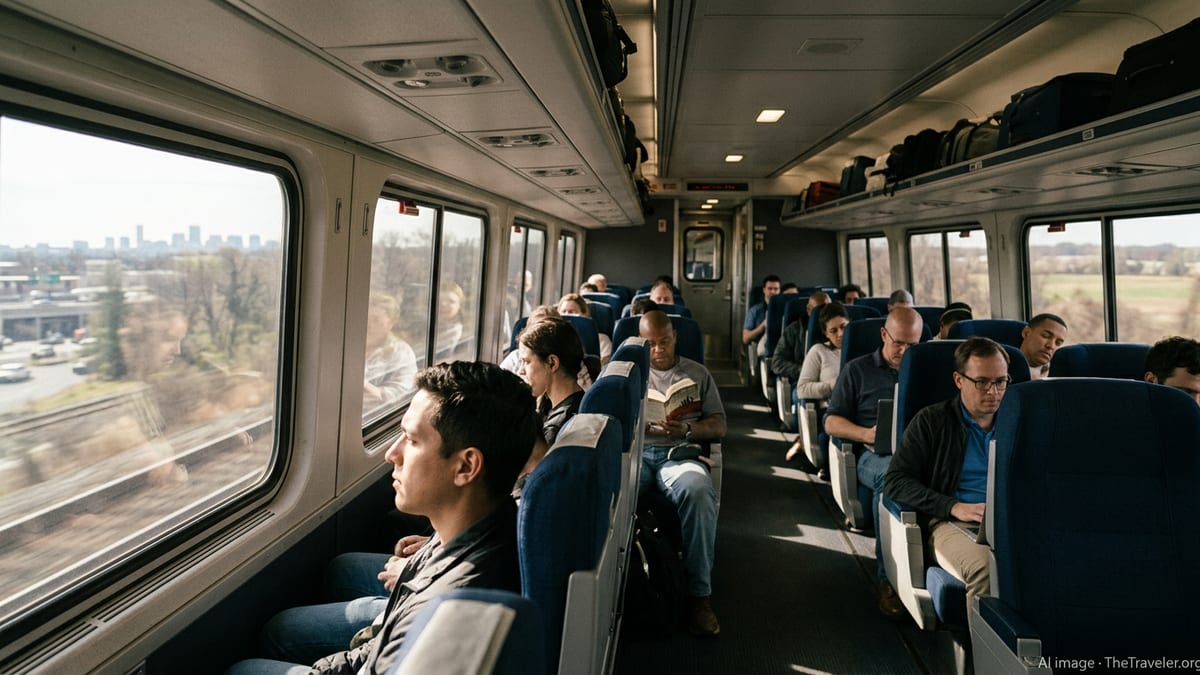
Warning issued for late November peak travel weekend
Publicly available information from train operators and industry sources indicates that long planned engineering work will significantly reduce services at a major London terminal over the weekend of Saturday 28 and Sunday 29 November 2026. The disruption coincides with one of the busiest pre‑Christmas shopping and leisure periods, raising concerns about crowding and extended journey times for domestic and international travellers.
The affected hub is a key gateway for long distance routes connecting London with cities across England, Wales and Scotland, as well as providing links to airports and key business centres. Rail planners expect demand to remain high despite the reduced timetable, with some operators advising customers that trains could be extremely busy throughout the weekend.
Timetables published in advance show that a combination of track renewals, signalling work and capacity upgrades on approaching main lines will limit the number of trains able to run to and from the station. In some cases, services that usually start or terminate there are being diverted to alternative London termini, while others will not operate for part or all of the weekend.
Several operators have updated journey planners to reflect the changes, but rail industry sources continue to stress that passengers should re‑check schedules closer to the time, as late adjustments remain possible when complex engineering projects are underway.
Major cuts to intercity and airport links
According to current planning data, long distance routes linking London with important regional centres will see the most substantial changes. Intercity services on normally frequent corridors are being thinned out or diverted, with some express operators advising that only a limited number of trains will run on key stretches of line over the two days.
Connections to a major London airport are also being affected. Industry bulletins for the weekend of 28 and 29 November indicate that no trains will operate between the station and certain western suburbs or airport terminals while infrastructure work takes place on that section of route. Replacement travel options are expected to rely heavily on the Underground and local rail or coach services, adding extra changes and journey time for those catching flights.
Regional and commuter services are not immune. On some routes, trains that typically run directly into central London will instead terminate short of the city, requiring passengers to change to substitute services or different operators. In addition, some late evening and early morning trains have been withdrawn from timetables to create space for engineering possession of the tracks.
While some operators are publicising additional staff on concourses to help manage passenger flows, there is no indication that capacity will fully match usual weekend levels. Travellers heading to sporting events, concerts or festive markets in London and the wider region may therefore face longer, more crowded journeys than they are used to at that time of year.
Travel advice: book early, travel earlier, expect queues
Rail companies serving the affected station are advising customers to plan ahead, with some urging passengers to book reserved seats where available and to avoid non‑essential journeys on the most heavily impacted routes. Several operators have highlighted that they cannot guarantee space for all travellers on specific trains once capacity limits are reached.
Journey planners currently show that earlier departures on the Saturday and Sunday are likely to offer slightly more flexibility than services around the middle of the day and early evening, when demand from leisure travellers usually peaks. Passengers with time‑sensitive plans are being encouraged to choose departures earlier than they might normally take, to allow for extended travel times and possible queues at stations.
For those who cannot change their plans, standard industry guidance continues to apply. Passengers are urged to check departure boards frequently, listen to station announcements and allow extra time to move between concourse, platforms and replacement transport where needed. Travellers connecting between different operators or between rail and air are being reminded to factor in generous transfer margins in case of delays.
Refund and compensation policies remain governed by the National Rail Conditions of Travel. Where tickets have been sold for trains that are later cancelled, or where journeys cannot reasonably be completed because of the planned work, passengers may be entitled to a refund or to re‑routing at no extra cost. Operators are directing customers to their own websites and National Rail Enquiries for the latest information on rights and options.
Impact on tourists and international visitors
The final weekend of November is traditionally a busy period for inbound visitors, with Christmas light displays, shopping districts and major cultural attractions drawing large numbers of people into central London. With rail capacity restricted at a principal gateway station, tourism and hospitality businesses are bracing for some disruption to normal travel patterns.
Hotels and tour operators using rail-inclusive packages are monitoring the situation and advising guests to check their arrival and departure arrangements. Some itineraries that normally rely on direct high speed services into central London are being revised to include alternative routes, such as travelling via different terminals or using connecting services from outer stations.
International passengers transferring between airports and long distance rail at the affected London hub may face extra complexity. With direct airport links curtailed on the 28 and 29 November, journeys that would usually involve a single train may require combinations of Underground, local rail and coach connections, particularly for those heading to or from terminals on the western side of the capital.
Travel industry observers suggest that visitors who are unfamiliar with London’s transport network should consider building in extra rest time on arrival days, or using through‑ticketed services where these are available, to reduce the stress of navigating diversions and replacement services in an unfamiliar city.
Alternative routes and options for affected passengers
Despite the planned disruption, London’s wider rail network will continue to offer multiple options for reaching the capital or travelling across the country. National journey planners for the weekend already show routings that divert passengers via other major London hubs, including those served by operators on the East Coast and Midland main lines.
Some travellers heading to destinations in the Midlands, South West or Wales may be able to avoid the worst of the disruption by using routes that start or end at other London termini, with cross‑city connections provided by the Underground and other local services. However, these alternatives may be busier than usual, as passengers displaced from the affected station seek different ways to complete their journeys.
Coach operators are expected to play a larger role over the weekend, particularly on intercity corridors where rail timetables are most heavily reduced. Early indications from online booking platforms suggest that fares and journey times vary considerably across operators and departure times, reinforcing advice to compare options in advance rather than relying on last‑minute walk‑up travel.
Rail industry notices emphasise that while the dates and broad scope of the engineering work are fixed, some details of replacement services and train times may still be refined in the weeks leading up to 28 and 29 November. Passengers are being encouraged to recheck their journeys shortly before travelling and to sign up for alerts from operators or journey planning apps covering their specific routes.