


More news on this day
A simmering dispute over steep marine fees in the British Virgin Islands is spilling into wider geopolitics, with reports indicating that Washington is weighing unusually tough options, including treating the UK territory as a “hostile state,” if the standoff over charter-boat access is not resolved before the Caribbean high season.
Get the latest news straight to your inbox!
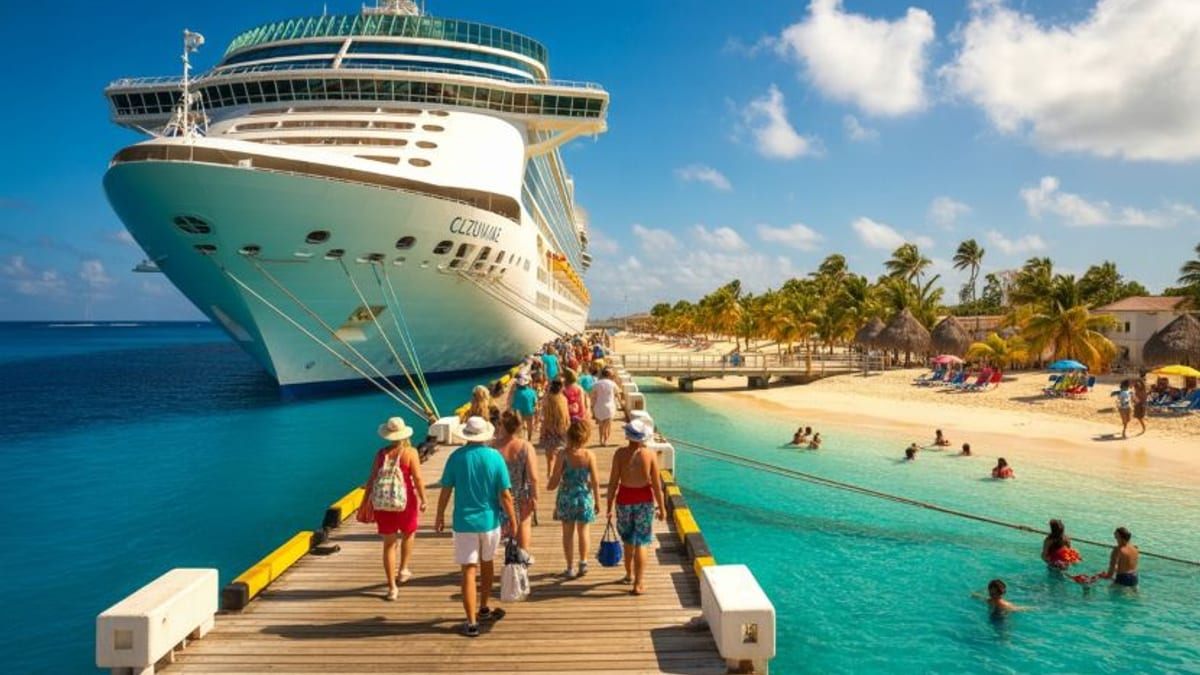
Charter fee hikes collide with cross-border tourism
The current impasse centers on higher fees and regulatory requirements imposed by the British Virgin Islands government on foreign-based charter yachts, including vessels homeported in the neighboring US Virgin Islands. Publicly available notices from marine industry groups describe sharply increased licensing and per-passenger charges for foreign operators entering BVI waters, alongside more complex clearance procedures that add both cost and time for mixed-itinerary cruises.
Travel and yachting operators say these measures have disrupted long-standing patterns in which visitors flew into St. Thomas or St. Croix, boarded US-flagged charter boats, and then spent much of their trip cruising and spending money in the BVI. Industry commentary indicates that some operators have begun trimming or canceling BVI calls altogether, focusing instead on US Virgin Islands anchorages that do not trigger the new BVI fee structure.
Marine businesses on both sides of the border warn that the dispute risks undercutting a core selling point of the Virgin Islands region: the ability for visitors to experience multiple island groups in a single voyage. Travel planners note that higher costs in one jurisdiction can quickly alter route-planning software, marketing materials, and consumer expectations for upcoming winter seasons.
Washington pressure grows as trade concerns mount
The situation escalated after published reports on November 9, 2026, detailed comments by US Virgin Islands Governor Albert Bryan Jr., who described growing concern in Washington over the BVI’s charter policies. Coverage from regional outlets indicates that federal agencies view the fee hikes as an impediment to cross-border trade and passenger movement, with some policymakers reportedly exploring whether to classify the territory as a “hostile state” if talks fail to deliver relief.
In US legal and national security debates, the term “hostile state” is usually reserved for governments viewed as engaging in actions harmful to American security or foreign policy interests. Congressional records and recent national security analyses show the label often appearing alongside sanctions policy, export controls, and restrictions on financial transactions. Applying similar language to a British overseas territory better known for sailing and financial services would mark a striking departure from normal US-Caribbean relations.
Analysts following state-threat designations caution that such language can have practical effects well beyond the original dispute. Financial institutions, insurers, and global travel brands frequently screen for references to “hostile” or “foreign country of concern” classifications when assessing risk. Even exploratory discussion of these concepts can make lenders and underwriters more cautious about underwriting projects tied to the jurisdiction in question.
Talks between island governments seek an off-ramp
According to recent regional coverage, Governor Bryan and BVI Premier Natalio Wheatley have held direct discussions in Tortola aimed at defusing the dispute before the winter charter season. Public comments from both sides emphasize a preference for cooperative solutions, with proposals reportedly including a tiered fee regime in which US Virgin Islands operators would pay a defined premium over rates charged to locally based BVI vessels, rather than the current jump that operators describe as prohibitive.
Marine trade associations and charter companies are closely watching whether the BVI will adjust its fee schedule or streamline paperwork in time to influence bookings already in progress. Many crewed yacht charters for December through April are sold months in advance, so any revised rates or procedures would need to be publicized clearly and quickly to alter itineraries without penalties for travelers.
Observers note that both governments face political constraints. In the BVI, leaders have promoted higher maritime charges as part of a broader push to increase locally captured value from visiting vessels and to fund environmental management in heavily trafficked anchorages. In the US Virgin Islands, rising frustration among charter operators and hospitality businesses is sharpening demands for a firm stance, particularly as inflation and higher fuel costs cut into margins.
Risks for travelers, charter brands and the wider region
For travelers planning multi-island sailing holidays, the immediate impact is likely to be felt in itinerary flexibility rather than outright cancellations. Charter brokers report that some operators now quote supplemental costs and additional customs time when clients request BVI legs, while others steer customers toward routes that remain wholly within US jurisdiction to avoid uncertainty over new fees.
Yacht-management firms warn that a prolonged standoff could redirect investment to competing Caribbean hubs such as St. Martin or Antigua, where cross-border cruising rules are currently perceived as more predictable. Vessel owners considering where to base new or refitted yachts for the 2027 and 2028 seasons are watching whether the Virgin Islands can stabilize their regulatory environment before committing to long leases, marina contracts, and crew hiring.
There is also concern that high-profile references to “hostile state” options, even if never formally adopted, could tarnish the BVI’s image as a neutral, tourism-driven jurisdiction. Travel analysts point out that reputational damage can linger well after specific disputes are resolved, especially when risk-screening algorithms used by banks and insurers continue to flag historical media coverage.
Regional tourism boards across the eastern Caribbean are quietly assessing whether the dispute presents an opportunity or a warning. Some see potential to attract displaced charter traffic, while others focus on the lesson that abrupt changes in marine fees or access rules can draw scrutiny from far beyond the yachting world, with consequences that may reach into finance, transport, and long-term destination branding.
What travelers should watch ahead of the winter season
With the main Caribbean sailing season approaching, travelers considering USVI-BVI itineraries are being advised by industry publications to monitor official fee notices and entry requirements issued by both governments. Because marine charges and clearance procedures are subject to change on short notice, publicly available guidance stresses the importance of confirming the exact costs and paperwork for each leg of a trip before final payment.
Charter brokers highlight several practical steps: verifying whether quotes include all BVI and USVI government fees, checking whether planned anchorages remain accessible under current rules, and ensuring that travel insurance covers itinerary changes arising from regulatory disputes. Some operators now include specific clauses addressing potential shifts in cross-border marine regulations, reflecting the heightened sensitivity around the Virgin Islands corridor.
For the moment, flights, ferries, and hotels in both territories continue to operate normally, and there are no broad travel advisories in effect related to the fee standoff. However, policy specialists note that if Washington were to move beyond rhetoric and adopt any formal hostile-state or foreign-country-of-concern designation for the BVI, secondary impacts could emerge in banking, compliance, and longer-term investment, with knock-on effects for the visitor economy.
As negotiations continue, tourism stakeholders across the Virgin Islands are pushing for a compromise that preserves government revenues and environmental protections while restoring the seamless cross-border cruising experience that has long been central to the region’s appeal.