

More news on this day
Travelers across the United States faced cascading disruptions after a wave of operational issues at Washington’s Reagan National Airport led to 40 cancelled flights and 236 delays, stranding passengers and snarling airline schedules from Chicago and Minneapolis to Atlanta and Miami.
Get the latest news straight to your inbox!
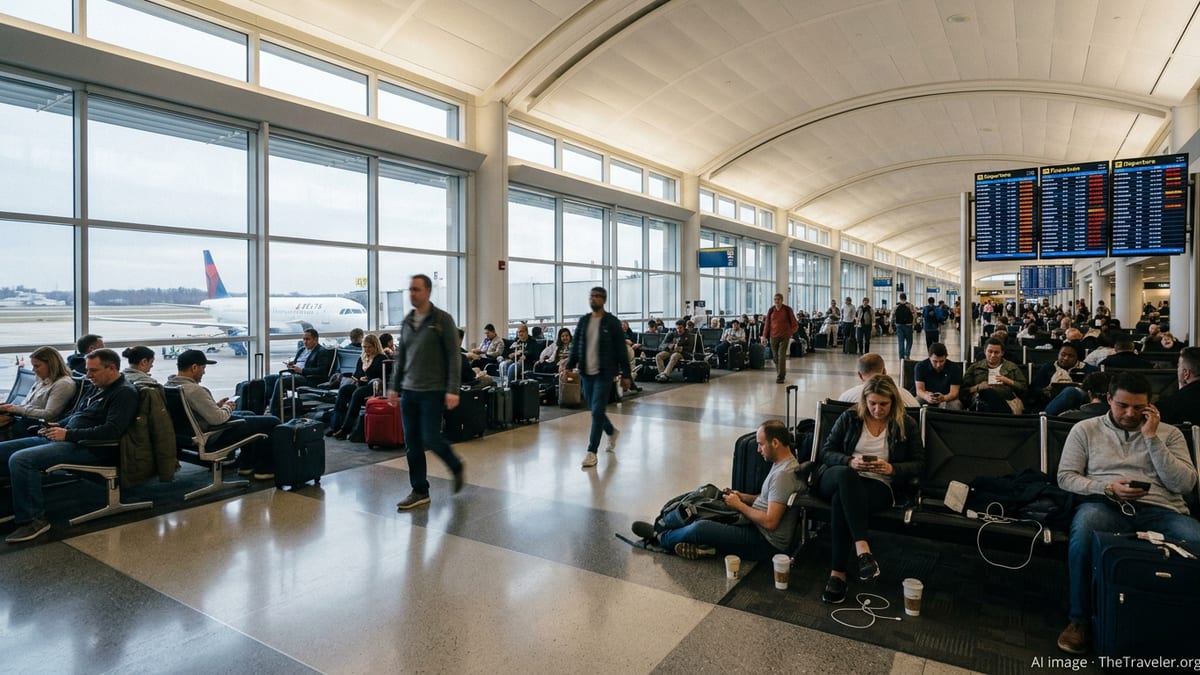
Reagan National Snarls Operations Nationwide
Publicly available flight tracking data for Sunday, March 15 indicates that Ronald Reagan Washington National Airport experienced an acute period of disruption, with 40 flights cancelled and 236 delayed over the course of the day. The imbalance between scheduled traffic and available capacity created bottlenecks both on the ground and in surrounding airspace.
The disruptions affected a broad mix of mainline and regional operators, including PSA Airlines, Republic Airways, Southwest Airlines and Envoy Air, many of which feed larger network carriers through code-share agreements. Because Reagan National is a tightly slot-controlled airport with limited runway capacity, relatively small schedule shocks can quickly cascade into widespread operational challenges.
Reagan National serves as a critical connectivity point for the U.S. East Coast, linking Washington, D.C. with major hubs in the Midwest and the South. When departures from the capital are delayed or cancelled, aircraft and crews that would normally continue on to other cities are left out of position, making it more difficult for airlines to recover as the day progresses.
By late afternoon, departure boards at Reagan National showed rolling delays stretching from under an hour to several hours, with numerous flights repeatedly pushed back as airlines attempted to secure aircraft, crews and new slots in the constrained airport environment.
Regional Carriers Hit Hard by Knock-on Effects
Regional operators PSA Airlines, Republic Airways and Envoy Air, which operate flights for major U.S. network carriers under branded agreements, appeared particularly exposed to the disruption. These carriers typically operate high-frequency schedules with short turn times, leaving little margin if any single flight is delayed or cancelled.
When early departures from Reagan National failed to leave on time, aircraft assigned to subsequent segments could not reach their next departure points, including cities such as Chicago, Minneapolis and Atlanta. Aviation operations data and historical performance reports indicate that regional networks are especially sensitive to aircraft and crew misalignment, amplifying the impact of any chokepoint at a hub or focus city.
Republic Airways and Envoy Air both serve multiple large and mid-sized markets from Washington, meaning each grounded aircraft potentially disrupted several onward flights. The complexity of their schedules, often involving tight connections for passengers heading to smaller communities, increased the risk of missed onward travel and forced rebookings.
For PSA Airlines, which is heavily integrated into larger carrier networks, delays at Reagan National also threatened to ripple into evening bank structures at other airports. As aircraft failed to return to base on time, airlines had to weigh whether to cancel late-night segments or risk further delays creeping into the next day’s schedule.
Southwest and Network Hubs Feel the Strain
Southwest Airlines, which maintains an important presence in Washington and at several other affected airports, also encountered significant schedule challenges as the day wore on. According to live tracking boards, multiple Southwest departures into and out of Reagan National accrued lengthy delays, while some segments were ultimately cancelled.
The resulting knock-on effects were felt at key Southwest and network carrier stations, including Chicago, Minneapolis, Atlanta and Miami. Flights bound for Washington from these cities departed late or were withdrawn from the schedule altogether when it became clear that aircraft or slots at Reagan National would not be available within acceptable windows.
At Chicago and Minneapolis, delays were compounded by the need to manage aircraft rotations across already busy mid-March traffic. Flight-status boards showed a mixture of late departures, gate changes and rolling updates, as airlines attempted to reassign equipment to protect the most time-sensitive routes and minimize overnight stranding of passengers and crews.
In Atlanta and Miami, airports that function as major connection points for domestic and international traffic, prolonged delays on flights linked to Washington complicated passenger connections. Travelers with tight layovers found themselves forced to rebook onto later departures or reroute entirely, adding pressure to customer service desks and digital rebooking channels.
Travelers Face Long Waits and Uncertain Timelines
For passengers, the operational challenges translated into long waits at departure gates, crowded terminals and uncertain arrival times. Reports from social media and public forums described travelers stuck in Washington after evening flights to destinations such as Atlanta and Miami were cancelled, as well as passengers unable to depart those cities for the capital.
At Reagan National, some passengers reported spending much of the day near their gates as departure times were repeatedly adjusted. Others described difficulty securing prompt rebooking options, especially for routes with limited remaining capacity on a busy spring travel weekend. As cancellations accumulated, same-day alternatives grew scarce, increasing the likelihood of involuntary overnight stays.
Across affected airports, customer-service agents and digital channels bore the brunt of the disruption, with travelers seeking hotel accommodations, meal vouchers and updated itineraries. Publicly accessible airline policies indicate that specific assistance varies depending on the cause of a delay or cancellation, leaving some passengers uncertain about their entitlements as they navigated the disruption.
Families traveling with children, as well as travelers connecting to cruises or international departures, appeared particularly vulnerable to schedule changes. Even when airlines were able to offer rebooked flights, new itineraries sometimes involved lengthy layovers or detours through additional hubs, stretching journeys well beyond their originally planned duration.
Ongoing Recovery Efforts and Advice for Upcoming Travelers
By Sunday evening, airlines were working to reset their operations ahead of Monday’s schedule, moving aircraft and crews where possible to reduce the risk of additional cancellations. However, industry experience and prior disruption patterns suggest that the effects of a single day of heavy delays can linger into the following morning, especially on tightly timed regional networks.
Travel analysts note that slot-controlled airports such as Reagan National are particularly challenging to recover once operations fall behind, because there are few spare takeoff and landing opportunities to absorb backlogged flights. As a result, some carriers appeared to consolidate lightly booked departures or preemptively cancel late-evening segments in order to stabilize the following day’s plan.
For travelers scheduled to fly into or out of Reagan National and connected hubs like Chicago, Minneapolis, Atlanta and Miami in the next 24 hours, publicly available guidance from airlines and airports consistently emphasizes the importance of monitoring flight status frequently and enabling mobile notifications. Same-day schedule changes, equipment swaps and gate moves are common during recovery periods.
Travelers are also encouraged, based on published consumer and aviation advice, to arrive early at the airport, carry essential items in hand luggage and consider routing with longer connection windows when possible. While Sunday’s disruption at Reagan National illustrates the fragility of tightly run airline schedules, informed planning and real-time monitoring can help reduce the impact on individual journeys when similar operational shocks occur.