


More news on this day
Royal Caribbean has oversold a holiday cruise from Miami over the July 4, 2026 weekend, prompting compensation offers to booked guests and renewed scrutiny of how cruise lines manage capacity on high-demand sailings.
Get the latest news straight to your inbox!
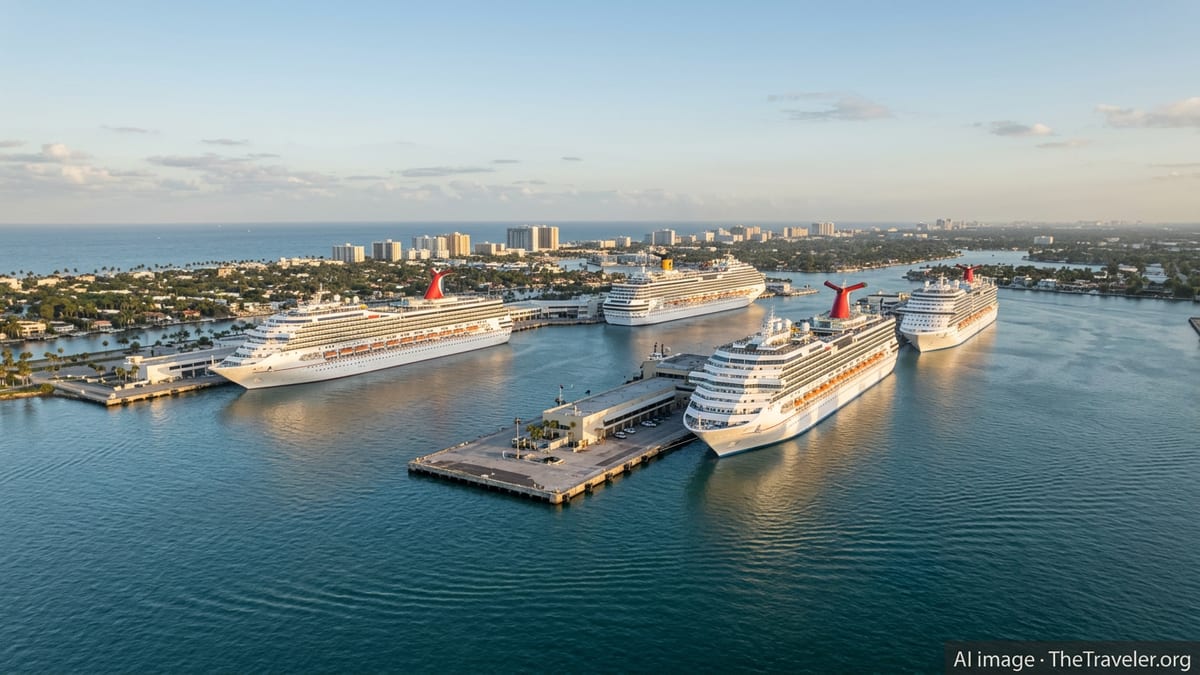
Holiday Sailing on Freedom of the Seas Impacted
Reports indicate that the affected voyage is a four-night Bahamas and Perfect Day itinerary on Freedom of the Seas, scheduled to depart Miami on July 2, 2026. The cruise is due to visit Royal Caribbean’s private island Perfect Day at CocoCay before sailing to Nassau, where the ship is scheduled to be in port on July 4, 2026. The sailing is marketed as a short getaway from PortMiami during one of the busiest travel weeks of the year.
According to published coverage, some guests booked on this departure have been notified that the cruise has been oversold. Travelers with flexible plans were invited to consider alternative options in exchange for compensation. The outreach appears targeted at guests who may be willing to adjust or postpone their vacations so that previously oversold cabin inventory can be brought back in line with the ship’s capacity.
Freedom of the Seas, a large resort-style ship in Royal Caribbean’s fleet, typically carries several thousand passengers on these short Bahamas and private island itineraries. Independence Day cruises from Miami are often positioned as celebration-focused vacations, combining fireworks and special programming onboard with calls at popular warm-weather ports.
PortMiami, one of the world’s busiest cruise hubs, routinely handles multiple ship departures over the Independence Day period. Publicly available port schedules show a dense lineup of summer sailings in 2026, underscoring the intense demand cruise lines face when planning holiday voyages.
Compensation Offers Aim to Free Up Cabins
Publicly available information shows that Royal Caribbean has responded to the oversell by offering incentives to guests who agree to change their plans. Reports from affected travelers describe offers that include full refunds of the cruise fare and additional future cruise credit if they move to another sailing, as well as options to rebook on different dates or ships.
These types of compensation packages are designed to encourage voluntary changes rather than last-minute cancellations or denied boarding at the pier. By securing enough volunteers ahead of embarkation day, the cruise line can reduce the risk of having more guests than available staterooms once check-in begins in Miami.
Royal Caribbean has used similar strategies on other oversold cruises in 2026, including sailings on different ships and itineraries, according to trade and enthusiast coverage. In those cases, guests were offered alternative voyages along with refunds or future cruise credits, reflecting a pattern of using financial incentives to manage unexpected demand.
For travelers holding reservations on the July 2 Freedom of the Seas departure, the decision often comes down to weighing the appeal of a July 4 holiday at sea against the value of the compensation being offered. Those with fixed vacation dates, group plans, or milestone celebrations may be less inclined to move, while more flexible cruisers could see an opportunity to secure both a refund and a discounted future trip.
Why Cruise Lines Oversell Popular Sailings
Industry analysis indicates that cruise lines, like airlines and hotels, sometimes oversell capacity based on historical data about last-minute cancellations and no-shows. Short, high-demand itineraries out of major ports such as Miami are particularly susceptible, because they are marketed aggressively and often attract repeat cruisers, families, and groups looking for holiday getaways.
Published commentary from cruise analysts suggests that overselling a small percentage of cabins can be a deliberate business strategy. If a predictable number of guests typically cancel or fail to appear at the terminal, selling slightly more cabins than the ship can physically accommodate may help maximize revenue while keeping most sailings at or near full capacity.
However, when actual demand exceeds expectations or when fewer guests cancel than forecast, an oversold situation can emerge. At that point, cruise lines may begin reaching out to selected guests well before departure to seek volunteers to rebook. Holiday periods such as Independence Day, when many travelers plan far in advance and are less likely to cancel, can increase the likelihood that oversell models underestimate final turnout.
Observers note that the current Freedom of the Seas situation fits into a broader conversation about how cruise lines balance capacity management with guest satisfaction, especially around marquee dates on the calendar when expectations for a seamless experience are high.
Impact on Passengers and Travel Planning
For passengers, learning that a long-booked July 4 cruise has been oversold can add stress to pre-trip planning. Travelers may have already arranged flights to Miami, booked pre-cruise hotels, and requested time off work around the July 2 to July 6, 2026 window. Changes to the cruise itself may affect these additional reservations and schedules.
Consumer advocates often recommend that guests in such situations carefully review the terms of any compensation offer, including whether it covers only the cruise fare or also addresses related costs such as airfare and lodging. In many cases, offers focus on the cruise component, leaving travelers to work directly with airlines and hotels for any changes or cancellations.
Reports from past oversell events at various cruise lines suggest that reaction among guests can be mixed. Some view the offers as an unexpected windfall that allows them to combine a refund with a future discounted voyage. Others, particularly those with rigid schedules or special-occasion trips, may feel that no amount of credit fully compensates for the disruption to their plans.
Travel advisors and online cruise communities are encouraging affected Freedom of the Seas guests to monitor their reservation details closely and to respond promptly if they receive any communication about potential changes. Early decisions can improve the chances of securing preferred alternative dates, ships, or cabin categories if a rebooking becomes necessary.
Scrutiny on Overbooking Ahead of Summer 2026
The overselling of a prominent July 4 sailing from Miami comes at a time when the cruise sector is preparing for a particularly busy summer season in 2026. Newly introduced ships, expanded Caribbean deployment, and continued demand for short Bahamas and private island itineraries have all contributed to strong booking trends across major lines.
Industry watchers note that high-profile oversell episodes may prompt closer attention from travelers when choosing and booking cruises during peak periods. Some may opt to reserve flexible airfare or refundable hotels, while others may prioritize early communication with their travel agent or the cruise line if they are planning milestone events onboard.
While overselling remains a relatively small part of the broader cruise booking picture, incidents involving major brands and holiday departures are likely to energize debate about transparency in capacity management. Holiday sailings from ports such as Miami are closely watched by both the industry and consumers, making any disruption especially visible.
For now, guests booked on the July 2, 2026 Freedom of the Seas cruise are weighing their options in light of the compensation offers. The outcome will be closely followed across the cruise community as an example of how lines handle oversold ships during some of the most sought-after dates on the cruising calendar.