

More news on this day
As American students and families lock in spring break plans for March and April 2026, Mexico remains a top choice, even as recent cartel-related unrest and evolving health guidance push travelers to scrutinize safety and destination decisions more closely.
Get the latest news straight to your inbox!
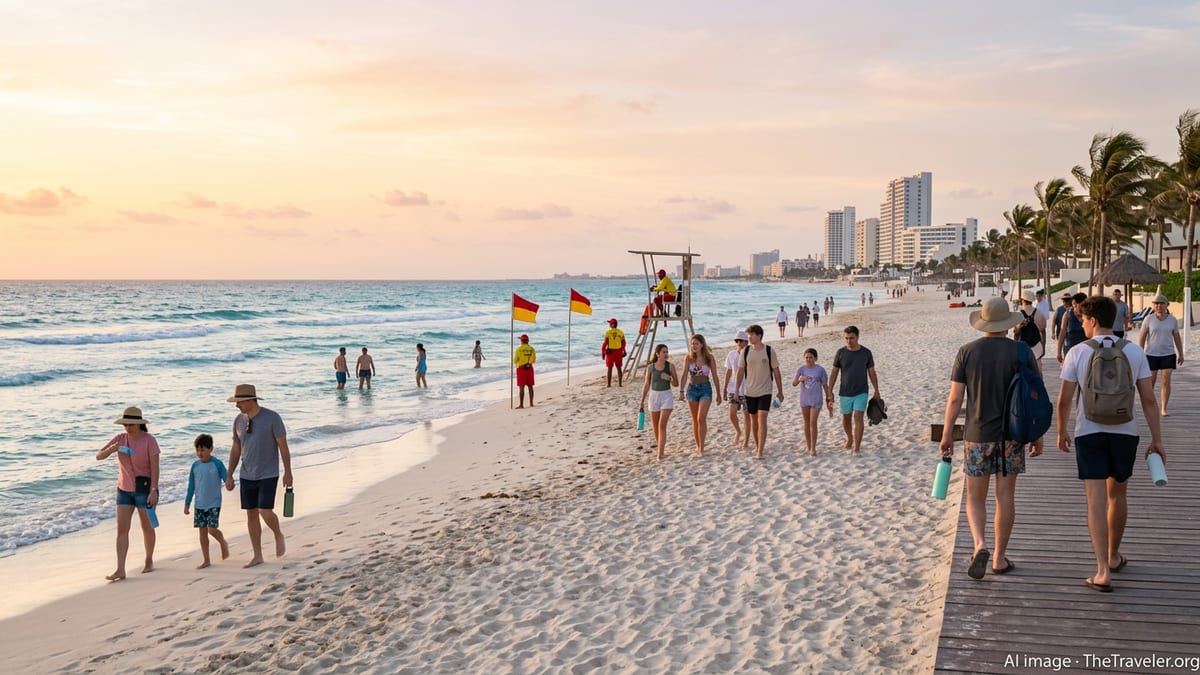
Understanding the 2026 Risk Landscape
Mexico continues to attract millions of U.S. visitors each year, and resort hubs along the Caribbean and Pacific coasts are once again preparing for a busy spring break season. At the same time, February 2026 saw highly publicized cartel-related violence tied to a major security operation in Jalisco and other states, prompting temporary shelter-in-place messages and crisis hotlines for foreign nationals. Those alerts have since been scaled back, but they have heightened awareness that risks vary sharply by region and can shift quickly.
Publicly available travel advisories distinguish carefully between Mexico’s 32 states, assigning some higher caution levels because of crime and kidnapping, while allowing more routine travel to others. Popular tourism states such as Quintana Roo, Baja California Sur and parts of Nayarit and Jalisco are typically described as heavily policed zones where crime affecting visitors is relatively rare but not absent. Travelers are being urged in seasonal safety messages for 2026 to study state-by-state guidance, enroll in alert programs before departure and track local developments in the days leading up to their trip.
Security analysts and travel-risk specialists cited in recent coverage emphasize that headline events rarely reflect conditions on a countrywide scale. Instead, they point to specific corridors, border regions and inland highways as higher-risk environments, while noting that controlled resort areas, hotel zones and cruise ports operate under distinct security arrangements. For spring break travelers, that means tailoring plans to minimize overland night driving, avoiding unofficial taxis and staying inside well-established tourist districts, particularly after dark.
Mexico’s federal and state governments, along with local tourism boards, continue to highlight visible security measures in coastal enclaves, including reinforced patrols, surveillance networks and seasonal deployments near beaches and nightlife districts. Reports indicate that these efforts are designed not only to deter crime but also to reassure visitors who may be unsettled by images of unrelated violence elsewhere in the country.
Health and Safety: From Vaccines to the Beach
Health agencies are also updating their guidance ahead of the 2026 travel season, with a focus on routine vaccinations, food and water safety and protection against mosquito-borne illnesses. The latest country-specific health information for Mexico underscores the importance of being current on routine shots, including measles, in light of recent outbreaks in parts of North America. Travel medicine references for 2026 recommend a pre-trip consultation, ideally four to six weeks before departure, particularly for travelers with underlying conditions or complex itineraries.
CDC travel resources for Mexico highlight that while malaria risk has decreased and is limited to certain areas, other hazards remain more common for beach-focused visitors. These include sunburn, heat-related illness, alcohol-related incidents and marine exposures such as jellyfish, stingrays and sea urchins, which are described as abundant along Mexican coasts in warmer months. Simple steps such as using reef-safe sunscreen, wearing water shoes in rocky areas and shuffling feet in shallow surf can reduce the likelihood of injury.
Food and water precautions remain a key pillar of health advice. Travelers are urged to stick to bottled or treated water where indicated, be cautious with ice from unknown sources and favor freshly cooked, hot meals over items that may have been sitting at room temperature. Even within upscale resorts, health officials advise basic hand hygiene, alcohol moderation and prompt attention to symptoms such as severe diarrhea, persistent fever or breathing difficulties.
Nightlife is another focus of seasonal messaging for 2026. Safety recommendations appearing in recent travel and security coverage include staying in groups, only consuming drinks opened or poured in front of you, avoiding substances offered by strangers and using vetted transportation arranged through hotels or reputable providers. These measures are framed as common-sense precautions that can significantly lower risk in busy bar and club districts.
Top Spring Break Hubs: Where Demand Is Heading
On the Caribbean side, Cancun, Playa del Carmen, Cozumel and Tulum in Quintana Roo continue to anchor Mexico’s spring break economy. Recent tourism data and industry reports describe Cancun’s hotel zone as one of the country’s busiest international gateways, with record visitor volumes in 2025 and strong bookings heading into 2026. These destinations market themselves as self-contained corridors, with major resorts, private transfers and organized excursions designed around controlled access and round-the-clock services.
Along the Pacific, Los Cabos in Baja California Sur, Puerto Vallarta and the surrounding Riviera Nayarit, and parts of the Oaxacan coast such as Huatulco remain in high demand. Coverage in Mexican and international media has highlighted these regions’ mix of beaches, whale watching, surf breaks and eco-focused tours. In Puerto Vallarta, for example, the Bay of Banderas and nearby coastal reserves are frequently cited as draws for both families and college groups seeking outdoor activities alongside nightlife.
Domestic tourism reporting has also spotlighted rising interest in lesser-known beach and nature destinations, from mangrove-rich estuaries in Veracruz to dune landscapes and national parks along the Pacific. While these areas may offer a quieter alternative to classic party hubs, travelers are encouraged to verify local infrastructure, medical access and security conditions, especially if venturing beyond well-established resort clusters.
Experts note that cost and flexibility are shaping 2026 booking patterns. Some travelers are opting for refundable rates, travel insurance that covers disruption from unrest or severe weather, and modular itineraries that can be shifted between destinations within Mexico if conditions change. For those set on a specific spot, monitoring airline and cruise line advisories in the weeks before departure can help avoid surprises such as last-minute schedule changes.
Planning a Safer Trip: Practical Steps for 2026
Universities, travel offices and campus safety departments across the United States are issuing 2026 spring break bulletins that echo many of the themes found in federal and health guidance: research your destination, register your trip where possible, and share a detailed itinerary with family or trusted contacts. For Mexico, that planning typically includes confirming passport validity, understanding entry requirements, and checking both security and health notices close to your departure date.
Travel planning resources advise that groups build contingency into their schedules. That might mean arriving with extra time before cruises or domestic connections, budgeting for an additional hotel night if a highway is closed or a flight delayed, and identifying alternative routes in case of localized disruptions. Recent airspace and border-security measures in the broader region, along with episodes of highway blockades in Mexico tied to cartel operations, are cited as reasons to avoid cutting connections too close.
Transportation choices are another recurring theme. Guidance for visitors suggests arranging airport transfers through hotels or established providers whenever possible, especially late at night, rather than relying on informal taxis flagged on the street. Within resort areas, using authorized taxi stands, ride services vetted by accommodations and clearly marked shuttles is recommended over unregistered vehicles, particularly after drinking.
For many travelers, travel insurance that covers medical care, evacuation and trip interruption is increasingly viewed as part of a standard spring break budget rather than an optional extra. Policy fine print matters: observers advise checking whether plans include disruptions stemming from civil unrest, severe weather or health emergencies, and ensuring that contact details for insurers and assistance providers are stored offline as well as on smartphones.
Balancing Enjoyment With Awareness
Despite concerns stirred by recent violence and a complex security picture, tourism indicators show that demand for Mexican beach destinations remains robust heading into spring 2026. Industry trackers point to record-breaking visitor numbers in several resort hubs last year, alongside continued hotel and infrastructure investment targeting U.S. and Canadian markets. For travelers, this translates into a wide range of accommodation tiers, from all-inclusive resorts and vacation rentals to boutique hotels focused on wellness and sustainability.
Travel and public-health commentators stress that a safer spring break in Mexico does not mean an anxious one. Instead, they frame preparation as a way to clear mental space for relaxation once on the ground: knowing emergency contacts, understanding which neighborhoods are recommended for visitors and having agreed-upon group rules around alcohol and curfews can reduce the likelihood of last-minute disputes or risky decisions.
The 2026 season is also unfolding against a backdrop of growing interest in more responsible tourism. Environmental campaigns along Mexico’s coasts highlight the impact of plastic waste, coral damage and wildlife disturbance, encouraging visitors to choose certified operators, respect protected areas and follow posted guidance on reef-safe products. Observers note that these choices can contribute to the long-term appeal and resilience of the very beaches and bays that draw spring breakers each year.
For travelers heading south in March and April, the overarching message from recent advisories, health updates and industry analysis is consistent: Mexico’s leading resort destinations remain open and busy, but informed planning, situational awareness and a few carefully chosen safeguards are essential ingredients for a safe and memorable spring break in 2026.