

Endicott Arm, a narrow fjord southeast of Juneau that culminates at Dawes Glacier, delivers some of Alaska’s most dramatic scenery. It is also a dynamic, at times unpredictable, environment shaped by shifting ice, steep rock walls, powerful tides and fast-changing weather. For travelers, understanding the safety considerations and glacier conditions here is essential not only for peace of mind but for making informed decisions before and during a visit.
Understanding Endicott Arm and Dawes Glacier
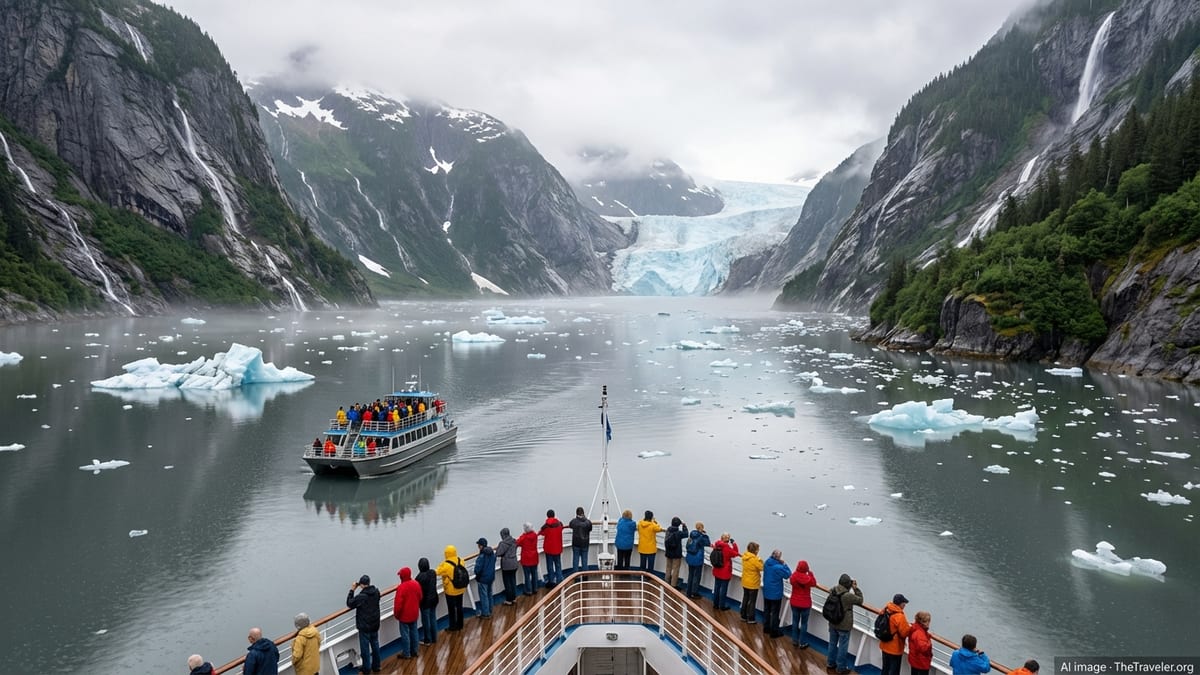
Endicott Arm is part of the Tracy Arm–Fords Terror Wilderness, a protected area within the Tongass National Forest in Southeast Alaska. The fjord stretches roughly 30 miles from Holkham Bay toward the face of Dawes Glacier, with sheer granite walls, waterfalls and hanging valleys along the way. Its narrowness and bends create both an intimate viewing experience and a set of navigational challenges, especially when ice is present.
Dawes Glacier at the head of Endicott Arm is a tidewater glacier, meaning it flows directly into the sea. As it calves, chunks of ice fall from the face into the water, generating icebergs and smaller brash ice that can spread down-fjord. Captains, pilots and local expedition guides constantly assess these ice conditions because safe access depends on how much ice is in the channel, how it is drifting and how the tides and winds are moving it.
In recent years, visitors and cruise operators have noted that Dawes Glacier has continued to retreat and that the active face is increasingly positioned within a narrower slot at the head of the fjord. Larger ships can typically approach only to a point that still allows enough room to turn safely, which often leaves them a couple of miles from the glacier face. In some seasons, repeated heavy calving or unfavorable winds push dense ice fields further down-fjord, limiting how close big vessels can reasonably go.
Against this backdrop, safety decisions around Endicott Arm are conservative by design. Large cruise ships, small-ship expedition vessels and day boats all operate under strict guidelines that prioritize avoiding hull damage, protecting wildlife, and respecting wilderness regulations. For guests, this can mean accepting that glacier viewing is always “conditions permitting” and that itineraries can and do change at short notice.
Ice, Glacier Conditions and Why Ships Turn Around
The most important safety factor in Endicott Arm is ice. Dawes Glacier calves at varying rates depending on season, temperature and internal glacier dynamics. When large sections of ice break away, they can form sizable icebergs surrounded by dense fields of smaller pieces. These ice masses drift with tides and currents, sometimes lodging in tighter bends of the fjord and creating temporary barriers.
Cruise lines and captains repeatedly emphasize that there is no guarantee of getting close to Dawes Glacier on any given day. Reports from recent seasons describe sailings that had to stop well short of the normal turnaround point, and in some cases, ships have reversed course before the glacier came into view at all because of dense ice or a particularly large iceberg blocking a narrow section. From the passenger perspective, this can be disappointing, but from a safety standpoint it reflects professional risk management in a confined waterway.
Because Endicott Arm includes sharp bends and very limited room to maneuver near the head of the fjord, captains need sufficient open water not only to approach but to turn the vessel. Ice fields that cover the width of the channel or any single large iceberg lodged in a critical corner can remove that margin, triggering a decision to hold position farther back or turn around entirely. Even small-ship expeditions, which are better suited to threading through ice, may find their path constrained on days of heavy calving or strong onshore winds.
Travelers should understand that a ship turning around or stopping at a distance is, in effect, a visible safety protocol in action. Radar, spotters, and often local pilots are used to evaluate the path ahead, but if there is doubt about safe clearance or the ability to turn or stop in time, the only responsible choice is to maintain extra distance, even if conditions might appear navigable from a guest’s vantage point on deck.
Seasonality, Weather and Visibility
Most tourism in Endicott Arm takes place from early May through late September, aligning with Alaska’s primary cruise season. Within that window, conditions can vary significantly. In May and early June, colder air temperatures and lingering snow at higher elevations set a wintry tone, but days can be clearer with sharper contrast on the mountains. Later in the season, July and August typically bring slightly warmer temperatures, more rain and a greater likelihood of fog and low cloud.
Weather has a direct bearing on safety because it affects visibility and wind. Thick fog or low ceilings can obscure the walls of the fjord and the ice ahead, slowing progress or halting an approach to Dawes Glacier entirely. Captains must balance the desire to get closer with the requirement to maintain sufficient visual and radar awareness of rock, ice and other vessels. In poor visibility, even if ice levels are manageable, ships may hold further down-fjord to avoid close-quarters navigation with limited sightlines.
Wind is another critical variable. Strong onshore winds can push ice into tighter sections of the fjord, rapidly increasing ice density and making navigation more hazardous. Gusty conditions can also make it uncomfortable for passengers to remain outdoors on viewing decks, especially near the cold microclimate around the glacier. There have been instances where scheduled scenic cruising in Endicott Arm or Dawes Glacier viewing was canceled or replaced with extended time in Juneau or other ports because the combination of weather and wind was judged unsuitable for a safe, enjoyable experience.
Seasonality also influences the degree of glacier retreat and calving patterns, though these are longer-term processes rather than day-to-day variables. Over the last decade, observers have described Dawes Glacier’s face as steadily pulling back, with larger ships now stopping farther from the ice than they once did. While this does not remove the overall scenic value of Endicott Arm, it does mean that close-up glacier viewing is more dependent on favorable ice conditions and is increasingly the specialty of small boats that can safely navigate tighter approaches.
Vessel Types, Excursions and Safety Protocols
Visitors encounter Endicott Arm in several main ways: large cruise ships transiting the fjord, smaller expedition ships that can edge closer to ice, and dedicated small-boat excursions that depart from a cruise ship or from Juneau. Each type of vessel operates with different capabilities and safety margins, and understanding those can help set realistic expectations.
Large ocean-going cruise ships prioritize stability and passenger comfort, but they require ample room to maneuver and stop. Their bridge teams use radar, depth sounders, visual ice spotters and often local pilots with extensive fjord experience. Safety protocols call for significant stand-off distances from dense ice, especially in narrow channels. As a result, even on days when the glacier is visible, big ships may keep well back and avoid navigating through heavy brash ice. If conditions tighten, they may cut the approach short, sometimes long before the glacier comes into direct view.
Smaller expedition vessels and local tour boats have more agility and shallower drafts, allowing them to weave among smaller ice pieces and approach closer, conditions permitting. Shore excursion descriptions from major cruise brands highlight that proximity to the glacier depends entirely on prevailing ice and that routes may be altered spontaneously. It is common for operators to note that if ice prevents safe entry into Tracy Arm, for example, the itinerary may switch to Endicott Arm instead, or vice versa, based purely on where safer access is available that day.
Across all vessel types, international and U.S. maritime regulations reinforce a conservative approach around ice and in narrow, remote waterways. Companies conduct regular safety drills, maintain emergency equipment, and follow strict protocols for speed, distance from icebergs and wildlife, and passenger access to exterior decks in rough conditions. For guests, this translates into clear instructions from the crew about where it is safe to stand, when railings and stairways may be slick, and what to expect if the captain reduces speed, stops, or announces a course change based on conditions ahead.
Passenger Safety On Board and On Deck
For most travelers, the greatest safety considerations in Endicott Arm involve their own behavior on board rather than the operation of the ship itself. Cold, wind, rain and occasional sea motion can turn open decks into slippery, uncomfortable spaces. Even when seas are calm, spray and condensation can create slick metal and wooden surfaces, so handrails and non-slip footwear become practical necessities.
Passengers who wish to spend extended time on deck near the glacier should dress in multiple warm layers, including a windproof and waterproof outer shell, insulated mid-layer, hat, gloves and, ideally, a scarf or neck gaiter. The ambient temperature near Dawes Glacier often feels dramatically colder than in open sea because of the combined influence of ice, wind and shade from high fjord walls. Hypothermia is unlikely in typical cruise scenarios, but discomfort and numb extremities can lead to poor footing or hasty movements that increase the risk of slips and falls.
Mobility is another factor. Steep, narrow stairways and exposed forward viewing platforms can be demanding for travelers with limited mobility. Cruise lines sometimes restrict access to the most exposed decks when wind and motion increase, both to protect guests from sudden gusts and to prevent falls. Those using canes or who have balance issues may want to focus on lower promenade decks with more shelter and easier exits to interior lounges, or to remain inside near large windows where they can step outside briefly, then retreat to warmth.
Photography habits also intersect with safety. Guests frequently lean or step into awkward positions to capture shots of icebergs, wildlife or the glacier face, sometimes without noticing wet patches underfoot or fellow passengers moving behind them. Maintaining awareness of surroundings, keeping camera straps secured, and avoiding standing on raised edges or furniture are simple but effective ways to stay safe while still getting memorable images.
Small-Boat and Kayak Experiences: Extra Safety Layers
Some travelers choose to experience Endicott Arm and Dawes Glacier via smaller vessels such as high-speed catamarans, local charter boats or, in more specialized itineraries, guided kayak trips. These outings can bring guests far closer to floating ice and rock walls, but they also require additional personal attention to safety instructions and conditions.
Commercial operators in Southeast Alaska typically provide life jackets and briefings on emergency procedures before departure. Passengers are asked to remain seated when the boat is underway, to avoid leaning beyond railings, and to follow crew guidance about where and when to move for viewing or photos. Because smaller boats are more exposed to spray and windchill, proper clothing and gloves are even more important than on a large cruise ship. Waterproof outer layers, hats, and closed-toe shoes with good traction are generally recommended.
Where guided kayaking is offered in the broader region, it is usually conducted in more sheltered bays rather than directly among dense ice near a calving face. In environments influenced by tidewater glaciers, operators take particular care to maintain safe distances from both the glacier face and larger icebergs, which can unexpectedly roll or break apart. For paddlers, staying with the group, keeping a respectful buffer from all large pieces of ice, and listening closely to guides’ route choices are core elements of managing risk.
Travelers should also factor their own physical capacity into decisions about small-boat or paddle excursions. Cold, wind and the need to maintain balance or paddle for extended periods can be demanding. Those with joint issues, heart or breathing conditions, or limited stamina may wish to consult a doctor before booking more active outings, and to inform guides of any concerns so that routes and support can be adjusted accordingly where possible.
Environmental Change, Stability and What It Means for Safety
Endicott Arm and Dawes Glacier exist within a rapidly changing environmental context. Long-term observers, local mariners and repeat visitors have reported a visible retreat of the glacier face over the past decade. As Dawes Glacier pulls back, it exposes new underwater topography, alters calving behavior and can change how and where ice accumulates in the fjord. These shifts are gradual but meaningful for navigation, and hydrographic charts and local knowledge are updated over time to reflect evolving conditions.
Warmer air and water temperatures can influence melt rates, potentially leading to periods of more frequent calving and greater ice production in certain seasons. That, in turn, can increase the number of days when ice density in the fjord is high enough to limit safe access for larger ships. At the same time, there may be stretches when calving is less intense and ice disperses more quickly, allowing closer approaches. This variability means that two sailings a week apart can have very different experiences of the same place.
For visitors, the main implication of environmental change is the need for flexibility. As the glacier recedes into narrower channels and ice patterns evolve, cruise lines and small-ship operators may revise their approach points, adjust how much time is allocated to scenic cruising, or alter which fjords are favored in a given season. Some travelers increasingly opt for specialized small-ship or expedition-style itineraries that are designed to work around shifting conditions and that can pivot between Endicott Arm, Tracy Arm, Glacier Bay or other destinations as weather and ice dictate.
Importantly, environmental change does not mean Endicott Arm has become unsafe for tourism. Rather, it requires careful, ongoing assessment by captains, pilots, scientists and managers of the Tracy Arm–Fords Terror Wilderness. Their goal is to balance public access with conservation and navigational safety, ensuring that as conditions evolve, operating practices evolve with them.
How Travelers Can Prepare and Make Informed Choices
While visitors cannot control ice or weather, they can make choices that align with their risk tolerance and expectations. Before booking, it can be helpful to read the fine print on cruise itineraries and excursion descriptions, noting any references to “glacier viewing subject to ice and weather conditions” or “alternate fjords may be substituted.” Understanding that such language reflects genuine uncertainty, rather than marketing caution, can make any last-minute changes easier to accept.
Travelers particularly intent on close-up glacier viewing may wish to consider smaller-ship itineraries or dedicated glacier excursions that use nimble local vessels. These do not guarantee success, but they offer more flexibility in threading through ice than large cruise ships. On the other hand, those who prefer maximum shipboard comfort and stability might prioritize larger vessels and treat a distant glacier view, rather than a close approach, as an acceptable outcome given the dramatic scenery along the fjord itself.
Packing with Endicott Arm in mind is another practical step. Layered clothing suitable for wind, rain and cold, sturdy non-slip footwear, and simple items like hand warmers and waterproof pouches for electronics can all improve safety and comfort on deck. Binoculars are valuable not only for spotting wildlife but for appreciating the glacier and ice from a safe stand-off distance if the ship cannot get closer.
Finally, maintaining realistic expectations may be the single most effective way to safeguard both safety and satisfaction. Viewing Dawes Glacier should be seen as a privilege that conditions may or may not grant on a given day, rather than a guaranteed attraction. Approaching the experience with curiosity about the fjord itself, its waterfalls, rock formations, wildlife and shifting ice, ensures that even if the glacier remains distant or hidden, the journey into Endicott Arm still feels worthwhile.
The Takeaway
Endicott Arm and Dawes Glacier offer a powerful encounter with a living, changing landscape. Their narrow channels, calving ice and dramatic weather are precisely what make them so memorable, but those same characteristics demand an uncompromising commitment to safety from everyone who operates and visits there. Ice density, visibility, wind and the evolving position of the glacier can all combine to modify or curtail approaches without warning, and responsible captains will always err on the side of caution.
For travelers, the safest and most rewarding visit to Endicott Arm comes from understanding these constraints in advance, preparing with appropriate clothing and footwear, listening carefully to crew instructions, and accepting that conditions, not schedules, are in charge. Whether your ship reaches a clear view of Dawes Glacier or stops miles away, the fjord’s towering walls, waterfalls and drifting ice offer a compelling window into the forces reshaping Southeast Alaska.
Approached with flexibility and respect for this dynamic environment, Endicott Arm remains one of the region’s great scenic experiences. Safety in this context is not an obstacle to adventure; it is the framework that allows people and ships to return, season after season, to witness a landscape that is never quite the same twice.
FAQ
Q1. Is it safe to visit Endicott Arm and Dawes Glacier on a large cruise ship?
Yes, mainstream cruise lines operate under strict safety standards, using experienced bridge teams and local pilots. When ice or weather makes conditions questionable, captains reduce speed, hold position or turn around rather than risk close-quarters navigation, which keeps passengers safe.
Q2. How often do ships have to turn back before reaching Dawes Glacier?
There is no fixed percentage, and it varies by season and even week to week. Some years see mostly successful approaches, while others feature more frequent early turnarounds when dense ice or poor visibility blocks the narrow upper section of the fjord.
Q3. What time of year offers the best chance of good glacier visibility?
Conditions can be favorable at any point in the May to September cruise season, but early and mid-summer often bring longer daylight and slightly more stable weather. However, fog, rain and ice patterns remain unpredictable, so no month can guarantee a clear, close-up view of Dawes Glacier.
Q4. Are small-boat glacier excursions safer or riskier than staying on the main ship?
Properly operated small-boat excursions are designed with safety in mind and can maneuver around smaller ice more easily. They involve more exposure to the elements and motion, so passengers must follow crew instructions closely and be prepared for cold, wind and spray, but they do not inherently carry greater risk when run by reputable operators.
Q5. How close do ships usually get to the face of Dawes Glacier?
On a good day, small boats may come relatively close, within a safe buffer of the calving face and larger bergs, while large cruise ships typically stop several miles back where there is enough room to turn. The exact distance changes with ice density and the current position of the glacier within its narrowing channel.
Q6. Can passengers get off the ship and walk on the glacier during an Endicott Arm visit?
Standard cruise itineraries treat Endicott Arm as a scenic cruising experience only, without landings at the glacier itself. Specialized expeditions that include helicopter or floatplane-supported glacier landings usually depart from hubs such as Juneau rather than directly from Endicott Arm.
Q7. What should I wear to stay safe and comfortable on deck near the glacier?
Multiple warm layers, a waterproof and windproof outer jacket, insulated hat, gloves and sturdy non-slip shoes are recommended. Conditions near the glacier often feel much colder than in nearby ports, so dressing for winter-like temperatures helps prevent chills and reduces the risk of slips on wet decks.
Q8. Are there risks from calving events or “rogue waves” near Dawes Glacier?
Calving can generate waves and cause ice to shift suddenly, which is why vessels maintain conservative stand-off distances. Captains and guides factor this into how close they approach, so passengers on regulated tours are not typically exposed to dangerous wave action as long as they remain where crew directs.
Q9. Is seasickness a concern inside Endicott Arm?
Endicott Arm is usually calmer than open ocean because it is a sheltered fjord, but some motion from swells, wind or maneuvering around ice is still possible. Those prone to motion sickness may benefit from preventive medication, but many travelers find conditions relatively gentle compared with exposed coastal waters.
Q10. How can I improve my chances of seeing Dawes Glacier up close?
You can never guarantee a close approach, but choosing an itinerary that allows enough time in the fjord, considering a reputable small-boat excursion, and traveling during the core of the summer season can all help. Above all, remain flexible and remember that even when ice or weather keeps ships at a distance, the fjord itself offers outstanding scenery.