


More news on this day
Passengers flying out of San Diego International Airport on June 16 faced a fresh round of disruption, with publicly available tracking data showing 49 delayed departures and three cancellations affecting services operated by Horizon Air, Alaska Airlines, SkyWest and other carriers on routes to Tampa, Las Vegas, Chicago, Tokyo Narita and several additional destinations.
Get the latest news straight to your inbox!
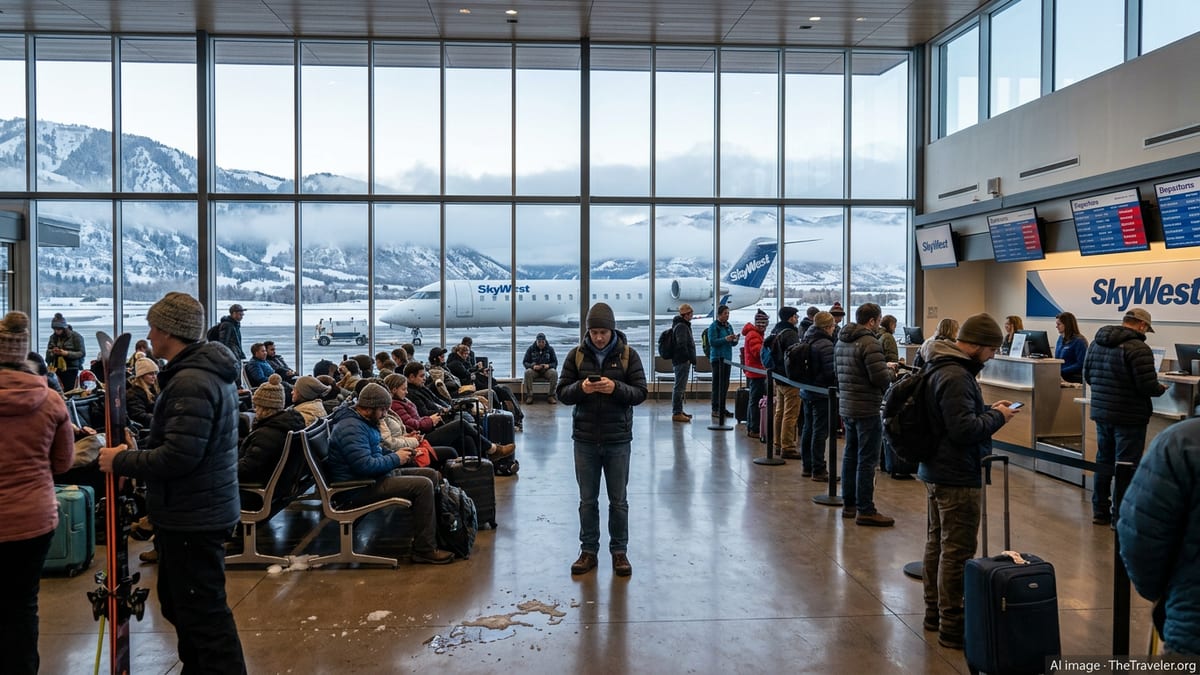
Operations Disrupted Across Key Domestic and International Routes
Flight-tracking dashboards for major U.S. airports indicate that San Diego International saw dozens of departures pushed back on Monday evening and into Tuesday, touching key domestic hubs and long-haul gateways. Routes to leisure and business markets such as Tampa, Las Vegas and Chicago were among those most affected, while select transpacific services connecting through Tokyo Narita also reported longer-than-normal ground times.
Alaska Airlines and its regional affiliate Horizon Air showed multiple San Diego services operating behind schedule, including flights linking Southern California with Las Vegas and other West Coast cities, according to same-day status pages. Several departures carried advisories asking travelers to monitor airport screens for updates, reflecting shifting estimated pushback times as aircraft and crews repositioned.
Regional operator SkyWest, which flies under the brands of larger network carriers, also appeared in disruption tallies for San Diego-linked services. Publicly available performance summaries for SkyWest show that while the airline typically maintains a relatively high on-time record, its operations can be sensitive to congestion across the national airspace system, magnifying the impact of bottlenecks at busy hubs.
Data from Chicago’s airport delay tracker suggests that Midwest weather and air-traffic flow constraints contributed to knock-on effects across several routes, adding pressure on flights connecting San Diego with Chicago and onward domestic destinations. These ripple effects are consistent with broader U.S. patterns, where even local disturbances can quickly cascade into nationwide schedule challenges.
Alaska and Horizon Face Cluster of San Diego Delays
On June 15 and 16, Alaska Airlines’ online status tools showed a cluster of late operations involving San Diego departures and arrivals, including flights operated by Horizon Air under the Alaska brand. Several services between San Diego and cities such as Las Vegas, Phoenix and San Francisco were flagged with delay messages and apology notices, underscoring operational strain heading into the peak summer period.
In some cases, aircraft assigned to San Diego routes arrived late from other airports already experiencing congestion, resulting in late-evening departures that were pushed well beyond their scheduled times. Public information from Alaska’s recent corporate filings notes that the group has previously dealt with irregular operations driven by technological issues and wider network disruptions, leaving it focused on boosting resilience as it integrates newly acquired operations.
The latest San Diego irregularities come at a time when Alaska and Horizon continue to fine-tune their combined schedules with other West Coast bases. While the vast majority of the airlines’ flights still operate within scheduled windows, even a modest number of late turns at a key station such as San Diego can quickly translate into dozens of downstream delays and a handful of cancellations.
Travel industry analysts point out that regional partners like Horizon often operate tight turnarounds with smaller aircraft and mixed crews, which can leave little slack to absorb unexpected maintenance checks, air-traffic holds or ramp congestion. When those stress points coincide with high summer loads, disruptions can grow more visible to passengers across multiple destinations.
SkyWest and Other Regionals See Knock-On Effects
SkyWest Airlines, which flies for several major U.S. carriers, appears among the operators facing secondary impacts from the San Diego disruptions. Historical performance data from federal transportation reports shows SkyWest generally maintaining strong on-time statistics across tens of thousands of monthly flights, but also confirms that cancellations and delays can emerge rapidly when national aviation system pressures intensify.
On routes linking San Diego with Las Vegas and other regional hubs, schedule data indicates that even a small number of affected rotations can alter crew duty times and aircraft routings across the network. This can trigger precautionary cancellations or strategic delays to realign aircraft and preserve operational integrity on higher-demand segments.
Travel advisory platforms that track airport-specific performance have highlighted an uptick in delays and cancellations across several U.S. hubs in June, including Chicago O’Hare and major West Coast gateways. These conditions increase the likelihood that regional operators feeding those hubs from San Diego will experience irregular operations, particularly during afternoon and evening peaks.
While the aggregate number of disrupted flights remains a fraction of total daily departures, the concentration of delays at certain times of day can lead to crowded gate areas and longer lines at service counters as travelers seek rebooking options or confirm new estimated departure times.
Passenger Impact From San Diego to Tampa, Las Vegas, Chicago and Narita
The 49 delays and three cancellations recorded for San Diego departures translate into hundreds of passengers facing altered travel plans. For those heading to leisure destinations such as Las Vegas and Tampa, later departures may mean lost hotel time or missed evening events, while business travelers bound for Chicago or onward international connections through Tokyo Narita risk disrupted meeting schedules or missed transfers.
Long-haul itineraries that rely on San Diego as an origin point are particularly vulnerable. A delay on an early segment to a West Coast or Midwest hub can narrow or eliminate the connection window for transpacific services to Japan and beyond, forcing passengers to rebook on later flights or alternative routings through different U.S. gateways.
Consumer-rights platforms that monitor disruptions advise passengers to keep digital boarding passes and airline apps updated, as rebooking and meal or hotel vouchers are often delivered electronically during irregular operations. They also encourage travelers to remain aware of their rights under both carrier policies and federal regulations, especially when delays stretch into several hours or involve overnight stays.
With summer travel volumes rising, observers note that even modest disruptions at an airport like San Diego can have outsized visibility. Families traveling with children, large groups bound for events in Las Vegas or Tampa, and cruise passengers timing arrivals for sailings from other ports may feel the impact of schedule changes more acutely than frequent flyers accustomed to building slack into their itineraries.
What Travelers From San Diego Can Do Now
For passengers with upcoming departures from San Diego, travel experts recommend treating the current pattern of delays and cancellations as a signal to plan conservatively. Checking flight status repeatedly in the 24 hours before departure, arriving at the airport earlier than usual, and identifying back-up connections where possible can all help reduce stress if schedules shift.
Airline and airport dashboards suggest that disruption levels can fluctuate significantly from one day to the next, depending on weather, airspace constraints and aircraft availability. Travelers connecting to long-haul services, particularly those routed via hubs to Chicago or Tokyo Narita, may benefit from scheduling longer layovers or aiming for earlier flights in the day to build in additional buffer time.
Given the mix of mainline and regional operators involved, passengers are also encouraged to pay close attention to which company is actually operating their flight, as rights and available options may differ slightly between a major carrier and its regional affiliate. Understanding those distinctions in advance can speed up the rebooking process if a delay or cancellation is posted at short notice.
Industry observers expect that as airlines adjust crew rosters and aircraft rotations to reflect the latest disruption patterns, the situation at San Diego International is likely to evolve over the coming days. For now, however, travelers heading to Tampa, Las Vegas, Chicago, Narita and other destinations are being advised by public information sources to remain flexible and to monitor their flights closely.