


More news on this day
Saudi air strikes in Yemen and a new surge of Houthi missile, drone, and maritime attacks are tightening the link between Yemen’s long-running conflict and the broader Middle East war, amplifying risks for Red Sea shipping, regional air defenses, and global energy flows.
Get the latest news straight to your inbox!
From Yemen escalation to regional spillover
Published coverage indicates the latest escalation has unfolded rapidly along Yemen’s western coastline, where Houthi forces have pushed toward the Bab al-Mandab Strait, a narrow gateway between the Red Sea and the Gulf of Aden. Recent fighting has included shifting control around key coastal terrain and islands, developments that can expand the group’s ability to threaten vessels and monitor traffic moving through the chokepoint.
The widening conflict is not limited to front lines inside Yemen. Reports indicate the Houthis have increased missile and drone launches toward multiple locations in Saudi Arabia, with attacks described as hitting civilian and economic targets in recent days. Public UN reporting has also described injuries and property damage in several Saudi cities from cross-border strikes, underscoring how the current flare-up is pushing beyond Yemen’s borders.
At the diplomatic level, UN briefings in mid-September have framed the moment as a dangerous phase for Yemen and the region, with warning signals focused on escalation around the Bab al-Mandab and renewed threats to international navigation. This comes after a period of relative calm that followed the 2022 UN-mediated truce, now increasingly described in published coverage as having unraveled.
Bab al-Mandab and the new pressure point for global shipping
The Bab al-Mandab has become a focal point for travelers and businesses alike because disruptions there can reverberate across global trade routes. When attacks rise, ships may slow, reroute, or avoid the area altogether, potentially increasing transit times and costs for goods moving between Asia, the Middle East, and Europe.
Maritime-focused reporting has pointed to a renewed pattern of attacks in the Red Sea region and highlighted Security Council attention to risks facing commercial vessels. UN-linked reporting has also referenced a deadly attack on a merchant ship in August, part of a broader pattern of incidents that keep insurers, ship operators, and port planners on edge.
Recent coverage has emphasized that the Houthis’ advances along Yemen’s coast, including around strategic ports and islands, can increase tactical leverage over passing traffic. That matters because even the perception of a heightened threat can change how shipping companies plan routes, impacting everything from container schedules to fuel consumption and crew safety planning.
Energy infrastructure under strain as oil routes tighten
The escalation is also intersecting with energy infrastructure vulnerabilities. Published coverage has described damage to a major Saudi pipeline corridor used to move crude across the kingdom to the Red Sea, with repairs expected to take weeks. Disruptions on land, combined with risks at sea, can narrow the set of reliable export options at the worst possible time for market stability.
With shipping conditions strained near the Strait of Hormuz and now increasingly tense near Bab al-Mandab, the region’s main alternative pathways for moving crude face added pressure. Maritime industry reporting has described how increased tanker movements through the Red Sea and Suez routes can be affected by renewed threats further south, complicating the “detour” options some exporters have relied on during periods of Gulf disruption.
Market indicators cited in recent coverage have pointed to oil trading above the $100-per-barrel level amid intensifying attacks and shipping disruptions. Separate publicly available data from international energy agencies has also highlighted how disruptions and infrastructure incidents can weigh on supply and alter production patterns, including in major producer states.
Air defense, external support, and the risk of miscalculation
As strikes continue, Saudi Arabia’s air defense posture has emerged as a key variable. Recent reporting has described Saudi outreach to regional and Western partners for additional support as the tempo of missile and drone threats grows. The operational challenge is not only intercepting incoming threats, but sustaining defensive capacity over time during repeated barrages.
At the same time, published reporting has described renewed diplomatic engagement involving U.S. representatives and Houthi counterparts in Oman, reflecting parallel tracks of military pressure and attempts to prevent further escalation. This mix of conflict activity and diplomatic contact can reduce risk if it produces off-ramps, but it can also heighten uncertainty if battlefield momentum outpaces negotiations.
The broader Middle East war context adds a dangerous layer: as multiple fronts remain active, each new exchange across the Saudi-Yemen border carries a risk of miscalculation, especially when attacks target energy infrastructure or occur near dense civilian areas. The cumulative effect is a region where commercial aviation, maritime routing, and energy logistics can all face sudden changes driven by security developments.
What it means for travelers and transport networks
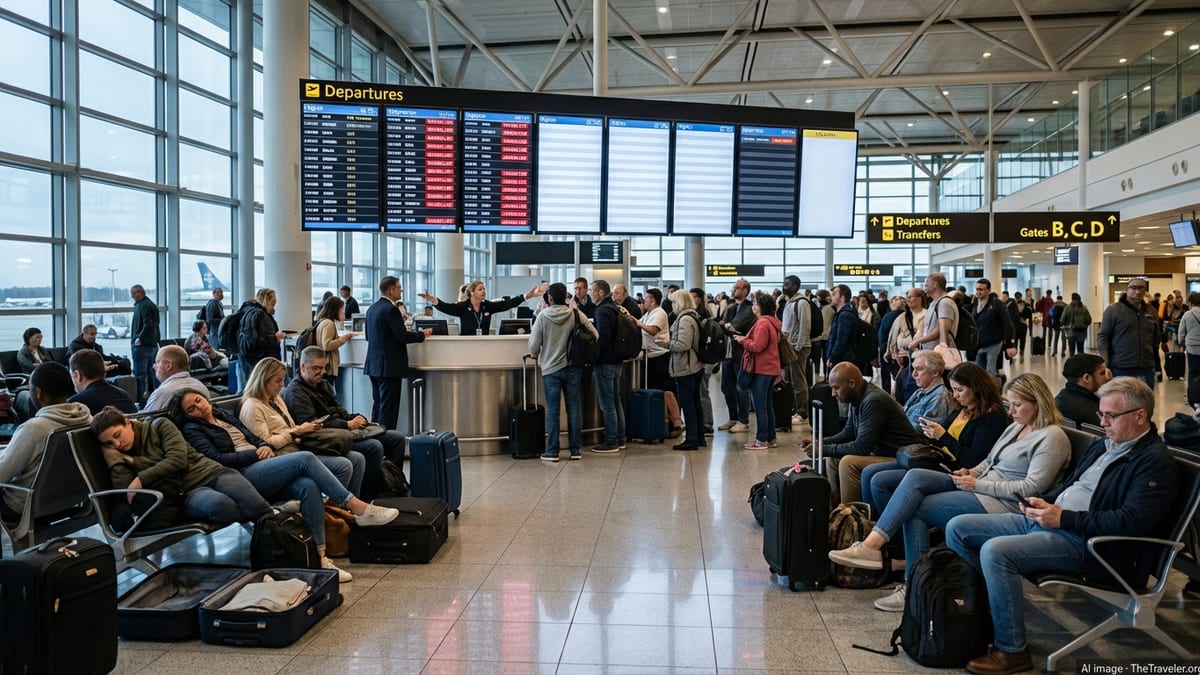
For travelers, the immediate impact is often indirect but real: higher fuel costs can filter into airfares, while disruptions in shipping can ripple into supply chains that affect everything from consumer goods availability to freight pricing. When conflict pressures push oil higher, airlines and cruise operators may adjust surcharges and pricing strategies, and cargo carriers may revisit route planning.
Transport risks also extend to scheduling volatility. When maritime threats rise in the Red Sea and Gulf of Aden corridor, vessels may reroute around longer paths, which can alter port arrival windows and tighten capacity in key canal and transshipment nodes. Industry reporting has also noted concerns about the sufficiency of naval resources as security threats evolve, a factor that can influence how quickly normal traffic patterns resume.
Beyond economics, the principal risk for travelers is uncertainty. When regional air defenses are on high alert and strikes intensify, airlines sometimes adjust flight paths to avoid certain airspaces, potentially adding time to long-haul routes. The situation remains fluid, and the practical travel impacts depend on whether the current spike in Saudi-Houthi clashes tapers, stabilizes, or expands further into the wider Middle East war.