


More news on this day
Storms moving through the Phoenix metro area are disrupting operations at Phoenix Sky Harbor International Airport, where flight-tracking data and federal aviation status updates show widespread delays as thunderstorm activity lingers into midweek.
Get the latest news straight to your inbox!
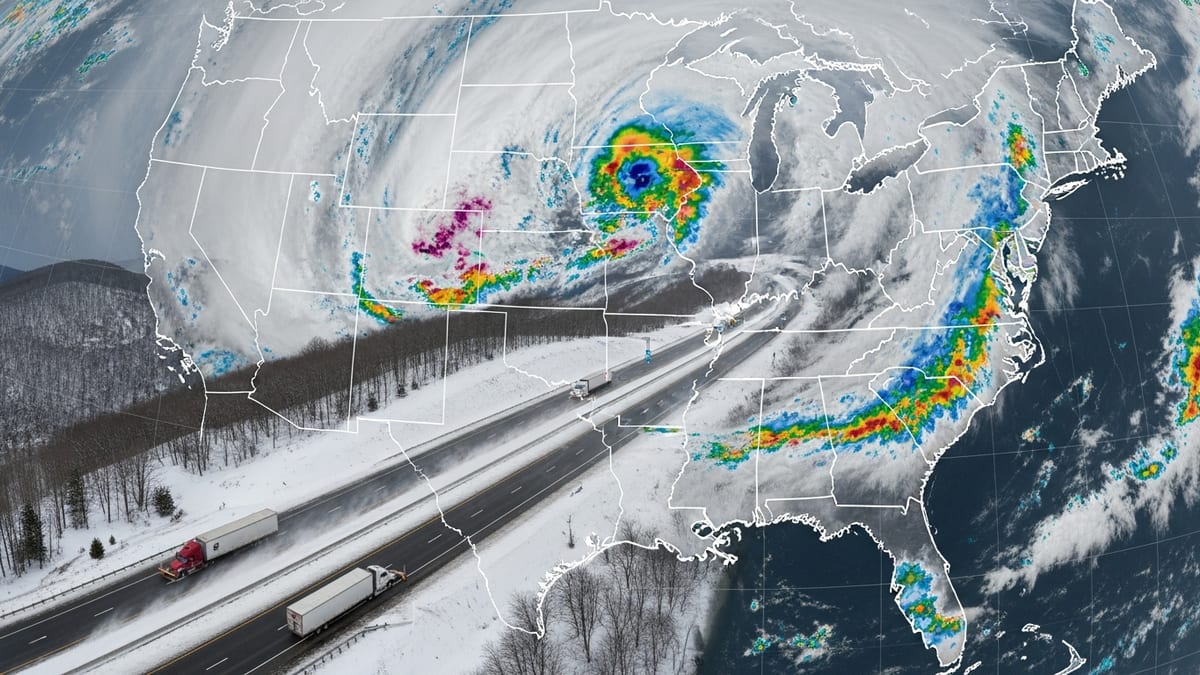
Delays build as weather impacts arrivals and departures
As of late Tuesday night in Phoenix, the FAA’s airport status page for Sky Harbor showed weather-related impacts, noting a traffic management program tied to thunderstorms for flights arriving into PHX and indicating that departure schedules could also be affected as a knock-on effect.
Separately, flight-tracking totals for Phoenix Sky Harbor showed hundreds of delays during the day along with a smaller number of cancellations, underscoring how quickly weather disruptions can ripple through a busy hub even when runway and terminal operations remain open.
Travelers often see the greatest disruption during the late afternoon and evening window in monsoon season, when thunderstorm outflows can produce sudden wind shifts, lightning risk on the ramp, and visibility reductions that slow aircraft movement or require spacing changes in arrival and departure flows.
What the forecast shows for Phoenix and central Arizona
National Weather Service forecasting for the Phoenix area has highlighted rounds of showers and thunderstorms across south-central and eastern Arizona through Wednesday, with heavy rainfall and localized flash-flooding potential among the primary concerns for the metro and surrounding terrain.
The Weather Service’s aviation-focused discussion has also pointed to an environment supportive of intense rainfall rates in stronger cells, conditions that can complicate airfield operations through lightning delays, reduced visibility, and the need for air traffic flow management when storm cores sit over common arrival and departure corridors.
Even when storms weaken, outflow boundaries and blowing dust can create abrupt changes near the airport. Those shifts can prompt arrival metering, airborne holding, or temporary reductions in airport acceptance rates as controllers and flight crews work within changing wind and visibility constraints.
Why a traffic management program can still mean long waits
When thunderstorms affect major airports, airlines and the FAA often use a set of tools to keep the system moving, including arrival metering, ground delay programs, reroutes, and, in some cases, short-term ground stops. Publicly available FAA guidance describes how these steps are used to manage congestion and safety constraints when weather reduces capacity.
For passengers, the impact can be uneven: one flight may depart close to schedule while another faces cascading delays due to aircraft and crew positioning, missed connection banks, or inbound aircraft arriving late from other disrupted airports.
Because Sky Harbor is a major connecting and origin airport for several carriers, delays can compound quickly as gates fill and aircraft wait for parking. That can lead to extended taxi-out times, gate holds, or late gate arrivals that affect subsequent departures.
What travelers can do right now if flying through PHX
Passengers traveling Wednesday should plan for changing conditions and check flight status frequently using airline tools and airport flight boards before leaving for the terminal. Sky Harbor’s own traveler information emphasizes verifying times directly with airlines, since broad airport status messages do not reflect the specifics of every flight.
It can also help to watch both the FAA’s airport delay status and local weather alerts for Phoenix, especially if a flash-flood warning or thunderstorm warning is issued near the airport. Lightning in the vicinity can slow or pause ramp activity, which may delay boarding, unloading, baggage handling, and aircraft servicing.
For travelers with tight connections or late-night arrivals, it may be worth proactively reviewing backup routing options, including earlier flights, alternate connections through nearby hubs, or rebooking to the first departure window after storms are expected to diminish. Weather patterns in the region can shift quickly, and a short disruption can still cause overnight aircraft and crew misalignment.
Looking ahead: when conditions may improve
Forecast messaging indicates thunderstorm chances should ease after midweek, with a transition toward drier air later in the week. That pattern change typically helps stabilize airport operations, though airlines may still be working through residual aircraft positioning and schedule recovery.
In the meantime, travelers should expect that delays at Sky Harbor may not be limited to flights bound for Phoenix. Aircraft delayed or canceled at PHX can affect subsequent legs across the network, particularly for routes that rely on the same planes cycling through multiple cities during the day.
For those departing during storm-prone periods, building extra time into airport arrival and connection plans remains the most practical hedge. Even modest FAA-reported average delays can mask longer individual delays when thunderstorms repeatedly move across key airspace or when ramp operations slow due to lightning risk.