


More news on this day
On the southern tip of Mexico’s Baja California Sur, where the desert drops into the Sea of Cortez, Los Cabos is leaning into a new identity as a sanctuary for travelers chasing self-care rather than late nights.
Get the latest news straight to your inbox!
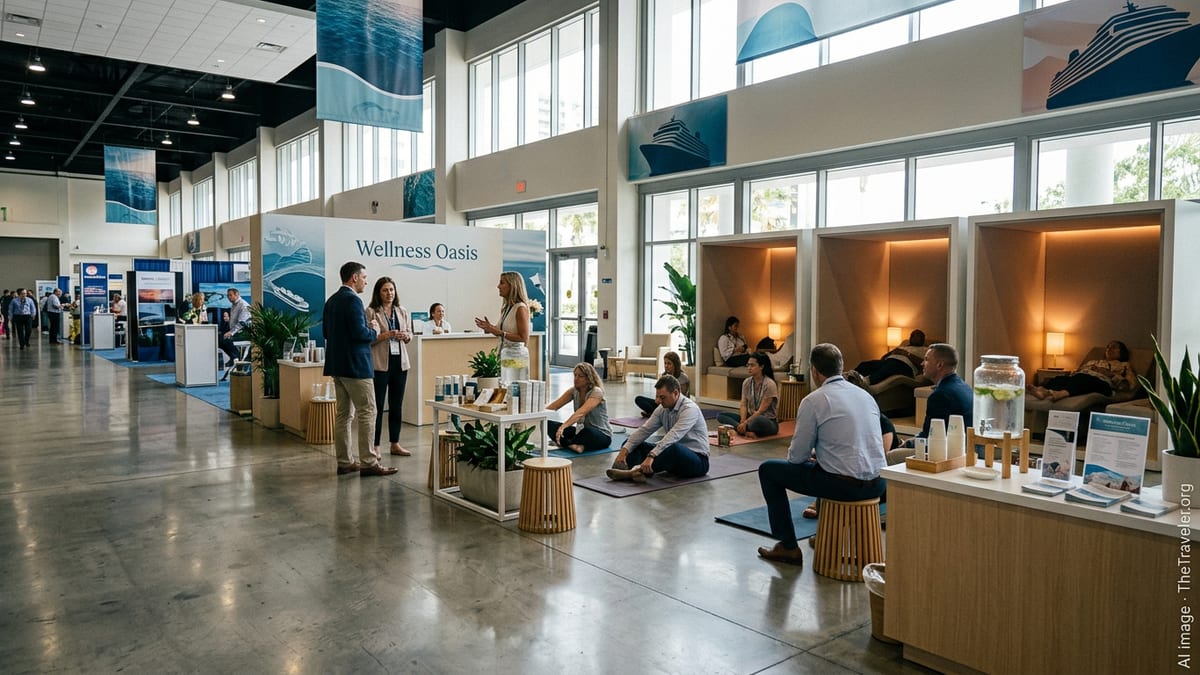
From Party Playground to Wellness Sanctuary
Recent tourism data and travel trade reporting indicate that Los Cabos has spent the last decade repositioning itself toward higher-spending visitors who prioritize space, privacy and wellbeing. Hotel performance reports for 2025 and early 2026 describe a destination that has shifted away from a mass-market party image toward a more curated, experience-led profile built around relaxation, design and service.
Travel industry coverage of Los Cabos highlights wellness as one of the central pillars of this repositioning. Reports describe properties adding open-air movement studios, meditation spaces, plant-forward menus and spa concepts that extend beyond traditional massages to include sound therapy, hydrotherapy circuits and recovery-focused bodywork. The result is a coastal region where self-care is increasingly built into the stay rather than sold as an optional add-on.
Market analyses of cross-border tourism trends note that travelers are now seeking “emotional value” and long-term lifestyle benefits from their trips, a pattern that aligns closely with the evolution of Los Cabos. Wellness is framed less as indulgence and more as maintenance, and resorts across the corridor between Cabo San Lucas and San José del Cabo are tuning their offerings accordingly.
Resort Spas Turn Stays Into Retreats
High-end properties in Los Cabos are using spa programs to anchor their identity in the wellness space. Industry announcements in early 2026 describe one flagship all-inclusive resort in Cabo San Lucas that now pairs a Michelin-recognized culinary program with a large spa and water ceremony circuit, positioning the property as a destination where guests can move between tasting menus and guided hydrotherapy with equal ease.
Another well-known luxury resort outside San José del Cabo has launched an expanded wellness collective for 2026, featuring visiting practitioners in aesthetics, integrative bodywork and longevity-focused skincare. The residency format means guests encounter masterclasses and specialized treatments during regular stays, blurring the line between a beach vacation and a structured retreat.
Elsewhere along the corridor, newer beach resorts are promoting dedicated wellness months, rolling out sunrise yoga on the sand, mobility and strength classes beside infinity pools, and spa menus that combine regional botanicals with contemporary techniques. Publicly available descriptions emphasize that programming is designed for a broad audience, with introductory sessions for curious first-timers alongside deeper work for guests who already view wellness as central to their daily routine.
Nature as a Self-Care Canvas
Beyond resort walls, the setting itself is becoming part of the self-care narrative. Travel features on Los Cabos in 2026 underline the appeal of its contrasting landscapes: arid mountains, cactus-dotted desert and sheltered coves along the Sea of Cortez. For many visitors, self-care now involves early-morning hikes in the foothills, stand-up paddleboarding in calmer bays, or simply watching the light shift over rock formations at Land’s End from a shaded cabana.
Tourism reports note that while much of the Pacific-facing coastline is not ideal for casual swimming due to currents, the region has leaned into pool-centered relaxation and boat-based experiences instead. Day cruises, guided snorkeling excursions and seasonal whale-watching trips offer low-impact ways to connect with the marine environment, often framed in marketing language as opportunities to disconnect from devices and reset attention spans.
Developers are also integrating wellness into planned communities, with coverage of a forthcoming surf, golf and wellness enclave within the Cabo Real area highlighting an emphasis on trails, racquet sports and a dedicated recovery spa. The project, scheduled to open in stages from late 2026, signals how self-care is being built into the long-term blueprint of the destination, not just layered onto existing hotels.
Longer Stays and Lifestyle-Oriented Travel
Analyses from tourism and investment publications suggest that Los Cabos is benefiting from a global trend toward lifestyle-driven travel, in which visitors stay longer and combine work, rest and exploration in one trip. Reports on the local hospitality market describe an increase in guests who use Los Cabos as a remote-work base for part of the year, taking advantage of reliable air links from North America and a climate suited to outdoor living.
In this context, self-care often looks more domestic and sustainable than a one-off splurge. Travelers book extended stays in villa-style resorts or serviced residences with access to gyms, spas and healthy dining, then build weekly rituals around sunrise walks, midweek massages or guided fitness sessions. Tourism board materials and third-party coverage emphasize that this pattern has contributed to a steady rise in premium and luxury segments, even as some mass-market indicators have softened.
Reports focusing on key source markets, including Canada and the United States, point to travelers who are willing to trade frequency of trips for higher quality and deeper engagement on each visit. For Los Cabos, that has translated into demand for properties that can handle both Zoom calls and deep-tissue treatments, often within the same day.
Practical Considerations for Self-Care Seekers
The pivot toward wellness has not eliminated practical considerations for visitors, and current travel commentary continues to underline a few realities that shape a self-care focused itinerary. Many premium resorts cluster along stretches of coastline where the ocean is more for viewing than swimming, which makes pool design, shade and service central to the experience. Travelers who prioritize time in the sea often look for limited pockets of more swimmable beachfront or book excursions to calmer bays.
Budget is another factor, as the concentration of high-end properties has pushed Los Cabos into the upper tier of Mexican beach pricing. However, industry reports for 2025 and 2026 note gradual adjustments in average daily rates and a rise in domestic tourism, suggesting that the destination is experimenting with ways to keep occupancy healthy while maintaining its premium positioning. For self-care travelers, that can translate into shoulder-season offers, wellness-focused packages or added-value amenities such as spa credits and small-group classes.
Safety perceptions, economic headwinds and shifting airline capacity all influence how many visitors ultimately arrive in Los Cabos in any given season. Yet tourism data and recent hospitality coverage indicate that the underlying appeal of the region for wellness travelers remains resilient: easy access from major North American cities, a dramatic coastal landscape and a growing ecosystem of spas, studios and retreat-style programs. For travelers seeking self-care in Mexico, Los Cabos has become one of the clearest examples of how a sun-and-sea destination can be recast as a long-term ally in personal wellbeing.